
Key insights
The Bundesliga’s creator strategy delivered a 15-fold viewership increase across its first five matches, with 57% of UK and Ireland YouTube viewers aged 13 to 34. Reaching younger fans is not about lowering production standards. It is about meeting them where they already are, with voices they already trust.
Goldbridge did not distribute a match. He brought a community with him. The difference between a broadcast and an event is the relationship that exists before kick-off. Rights holders who rely on platforms to hold that relationship on their behalf are building on borrowed ground.
Broadcast figures tell you how many people watched. They don’t tell you who they are. Reach without identity is reach you cannot build on. Converting viewing moments into owned fan relationships is where the real commercial value sits, and most rights holders are not doing it yet.
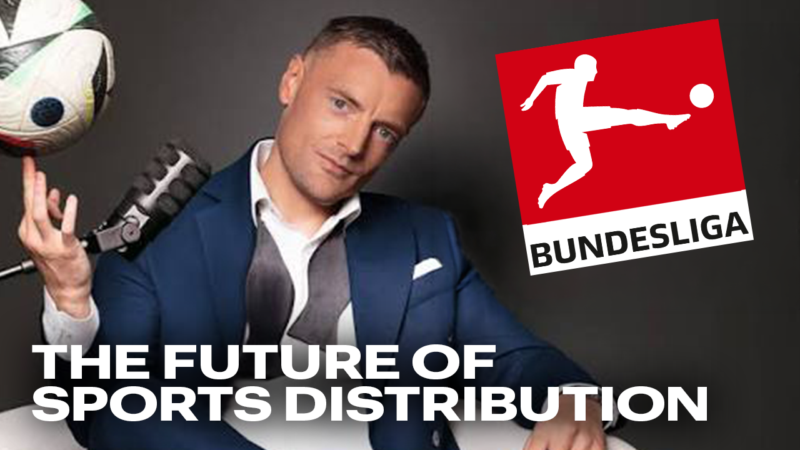
When the Bundesliga announced its UK and Ireland broadcast lineup for 2025/26, the football establishment did a collective double take. Alongside Sky Sports, the BBC and Amazon Prime were two YouTube channels: Mark Goldbridge’s That’s Football (a Manchester United fan channel with 4.5 million subscribers across his network) and Gary Neville’s The Overlap (home to some of English football’s biggest pundit names). It was the first time a major European league had granted live rights to content creators, and the Bundesliga called it part of a strategy to reach audiences that traditional broadcasters simply couldn’t access.
A season of Friday nights later, here’s the verdict.
The numbers make a compelling case
The numbers are hard to argue with. The Bundesliga’s hybrid broadcast model saw a 15-fold viewership increase across its first five matches, with 57% of UK YouTube viewers aged between 13 and 34. For the games where Goldbridge hosted watchalongs, his average audience increased by 22%, reaching 42,727 viewers across 18 videos. These aren’t passive viewers either. They’re the kind of fans who comment, debate, share clips and come back the following Friday because a personality they trust is there waiting for them.
That’s the thing most rights holders are still missing. Goldbridge didn’t just distribute a match. He brought a community with him. His audience already had a relationship with him long before a single ball was kicked in the Bundesliga, and that relationship is what made the broadcast feel like an event rather than a stream. The content was the same 90 minutes. The experience was entirely different.
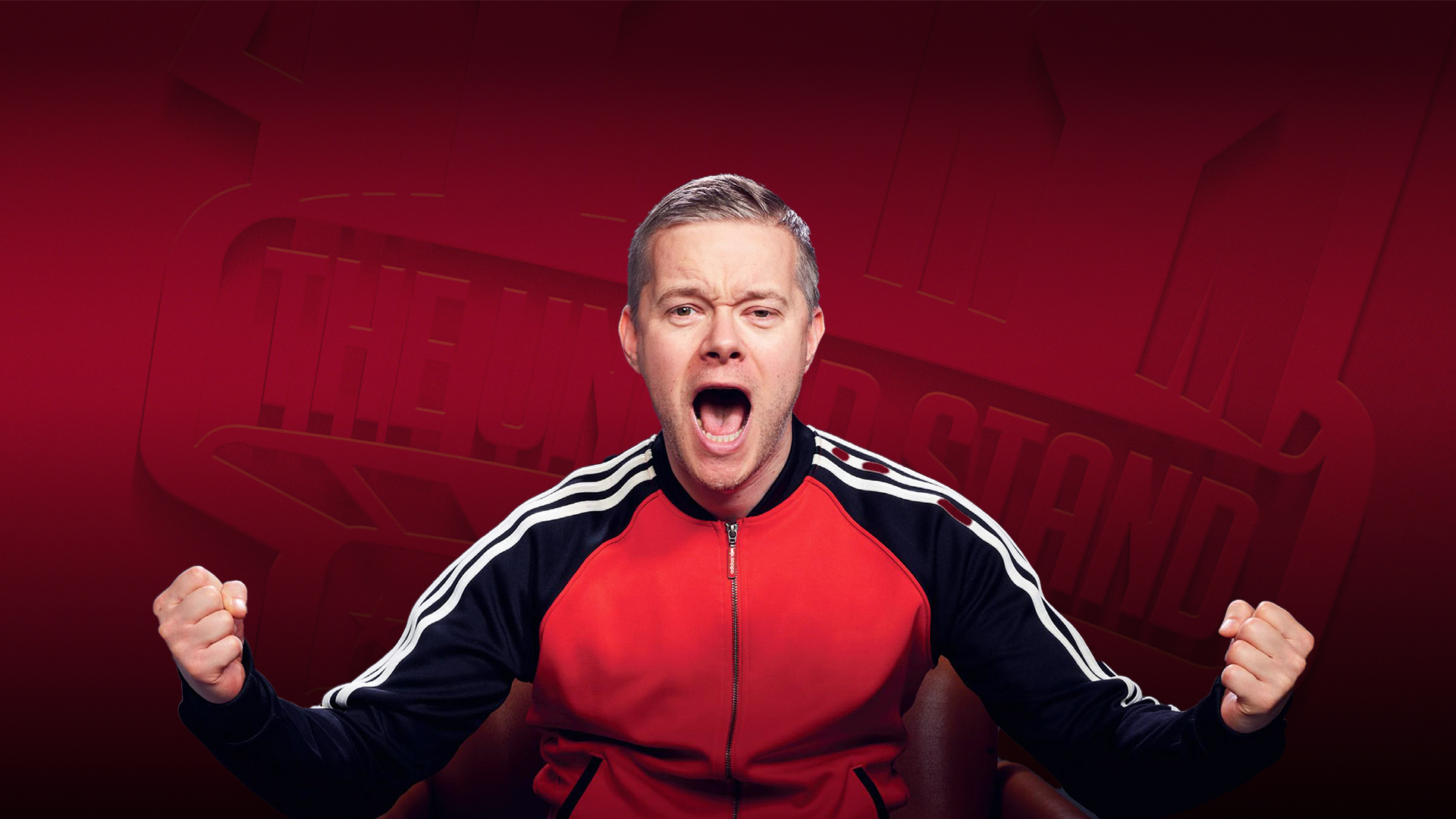
This wasn’t a leap of faith. Bundesliga International CEO Peer Naubert has been explicit about the thinking behind it: “We have a clear vision, which is maximising revenues by building brand equity. Two or three years ago, we wouldn’t have thought about selecting Mark Goldbridge as a content creator in the UK and awarding media rights to him. This has now changed.” That’s a strategic shift, not a throw of the dice.
The gap between reach and relationship
For broadcasters and rights holders, the lesson isn’t simply that creators are good distribution channels. It’s that the fan relationship is the asset, and for a long time, too many organisations have been licensing their content to platforms that keep that relationship for themselves. Broadcast figures tell you how many people watched. They don’t tell you who they are, what they care about, or how to reach them next week.
That gap between reach and relationship is where the real commercial opportunity sits. And the Bundesliga has wasted no time proving the model works beyond the UK. Since the end of the season, the league has expanded the same approach to Canada through a partnership with Creator Sports Network, with creators streaming select matches simultaneously on YouTube and Twitch, following what the league describes as unprecedented success in the UK and Brazilian markets. One season in, this is already a repeatable strategy.
What rights holders should do next
The Bundesliga were never under any illusion that they owned Goldbridge’s audience. That wasn’t the point. The creator deal was a deliberate awareness play, a way to reach younger, digital-native fans who wouldn’t have found Friday night football through Sky or the BBC. By the end of the season The Overlap had acquired both of Goldbridge’s channels, which suggests the model is already consolidating into something more structured.
The question for rights holders watching this isn’t whether to rent someone else’s audience. Sometimes that’s exactly the right move. SportsPro puts it well: the upside of new audiences in an increasingly competitive attention economy can be worth the gamble. But the gamble pays off a lot more reliably when you have the infrastructure to capture who shows up. The fans coming in through a creator watchalong are exactly the fans worth knowing. Where they go next, what they buy, whether they come back. That’s where the real work starts.
If you want to see how The Overlap built a direct fan relationship that goes beyond the broadcast, read our case study. And if you’re thinking about what that looks like for your organisation, get in touch.
FAQs
The Bundesliga’s decision to award live broadcast rights to YouTube creators including Mark Goldbridge and The Overlap delivered a 15-fold viewership increase across its first five matches in the UK. Over the season, games hosted by Goldbridge averaged 42,727 viewers, a 22% increase on his standard content. Crucially, 57% of those viewers were aged between 13 and 34, a demographic traditional broadcasters consistently struggle to reach.
The Bundesliga wanted to reach audiences that existing broadcast partners could not access. Goldbridge had already built a community of millions of fans who trusted his voice on football. By granting him rights to stream live Friday night matches, the Bundesliga effectively borrowed that existing relationship rather than trying to build one from scratch through conventional marketing.
Broadcast reach tells you how many people watched. A fan relationship tells you who they are, what they care about and how to reach them again. Traditional broadcast deals deliver viewing figures but no first-party data, meaning rights holders have no direct way to communicate with, or commercialise, the audience behind those numbers.
Both of Goldbridge’s football channels, That’s Football and The United Stand, were acquired by The Overlap in April 2026 in a seven-figure deal. The consolidation suggests the creator rights model is already maturing, with established media businesses moving quickly to own the audiences that independent creators built.
The core lesson is that distribution and fan ownership are not the same thing. Rights holders who solely rely on third-party platforms or broadcasters to hold the audience on their behalf are building on borrowed ground. The organisations making progress are the ones using participation, authentication and direct engagement to turn viewers into known fans they can reach, reward and monetise independently.