
Key insights
- UGC, audience-generated content, and employee-generated content (EGC) are three distinct content types. Treating them as the same means missing what makes each one powerful.
- User-generated content is organic and fan-led. Audience-generated content is structured and organisation-led. EGC is internal and personality-led. Each plays a different role in converting anonymous viewers into engaged community members.
- The best fan engagement strategies use all three together: EGC sparks conversation, UGC responds organically, and audience-generated content structures that participation into first-party data and community.
- Sports organisations that launch a hashtag and wait are missing the point. Audience-generated content needs infrastructure: clear calls to action, easy pathways, and a reason to contribute that goes beyond brand awareness.
- Every structured audience interaction creates data, permission, and a revenue opportunity. That’s what separates community building from content posting.
The terms get thrown around as if they’re interchangeable. But user-generated content and audience content aren’t the same thing. If you lump them all together, you miss what makes each one powerful and fail to understand where each one fits in building communities that last.
User-generated content: the community fuel
Often shortened to UGC, this covers anything your fans create about your brand, team, or property. Match-day photos. Reaction videos. Memes after a last-minute winner. It’s raw, authentic, and comes from people who’ve chosen to create something because they feel connected to what you do.
UGC sparks a sense of belonging. When fans see their content featured or shared, they’re not just viewers anymore, they’ve become part of the story. That shift from passive watching to active creating flips the entire relationship.
The best user-generated content doesn’t need prompting. But smart organisations create spaces where it can happen naturally. Prediction games. Photo competitions. Polls that actually matter. You need to give people something worth creating for.

Audience-generated content: the structured fan engagement relationship
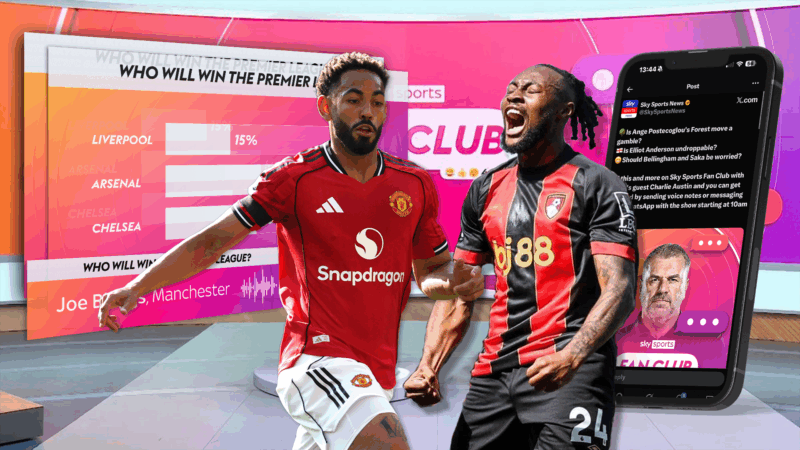
This refers to user-generated content you’ve deliberately sparked through campaigns, platforms, or interactive moments. Think Sky Sports Fan Club, where over a huge number of messages have been sent since launch. Or match predictions that pull in thousands of entries.
The difference is intent and infrastructure. You’re creating the framework that makes participation easy, valuable, and repeatable. Instead of hoping content happens, you’re building systems to allow it to flow naturally.
Many sports properties are missing an opportunity. They launch a hashtag and wonder why it never took off. But audience-generated content needs structure: Clear calls to action, easy pathways. A reason to contribute beyond ‘hey, it would be great if you could post about us.’
Done right, this turns anonymous fans into known community members. Each interaction gives you data, permission, and revenue opportunities.

Employee-generated content: your internal fan engagement amplifier
Employee-generated content (EGC) comes from your team; staff, athletes, talent etc. It includes things like behind-the-scenes training clips, players reacting to highlights and presenters breaking down tactical moments. Insider access that builds trust and creates more personality. People follow stories, not logos. EGC humanises organisations and creates authentic touchpoints that polished marketing can’t hope to match and competitors can’t copy.
The ideal scenario is all three working together. EGC sparks conversation. UGC responds organically. Audience-generated content structures it into community and data. Each type plays a different role in converting anonymous viewers into engaged members.
Understanding these content types isn’t semantic. It’s strategic. Because when you know what each one does, you can build platforms and campaigns that turn fleeting interest into lasting connection.
Check out all the possibilities on our complete engagement platform and get in touch to discuss how we could help you weave them into your broadcast.
FAQs
User-generated content is organic: fans create it unprompted because they feel connected to a team, brand, or property. Match-day photos, reaction videos, and memes are all examples. Audience-generated content is structured: it’s participation that an organisation has deliberately designed for, through campaigns, interactive tools, prediction games, or photo competitions. The distinction matters because audience-generated content is scalable, measurable, and generates first-party data. UGC is authentic and community-building but harder to direct.
EGC stands for employee-generated content: content created by staff, athletes, and talent within an organisation. Behind-the-scenes training clips, players reacting to highlights, and presenters breaking down tactical moments are all EGC. It matters because it humanises organisations in a way that polished marketing content cannot. People follow stories and personalities, not logos, and EGC creates the authentic touchpoints that build the kind of trust and emotional investment that sustains long-term fan engagement.
Every structured interaction creates a data point. When a fan enters a prediction game, submits a photo competition entry, or participates in a live poll, they identify themselves in the process. Done well, audience-generated content turns anonymous viewers into known community members, each interaction adding a layer of first-party data, permissions, and insight that passive content consumption never generates.
Because a hashtag alone isn’t a structure, it’s a suggestion. Effective audience-generated content gives fans a clear reason to participate, an easy pathway to do so, and a tangible payoff for contributing. Without those three elements, most fans won’t bother, and the campaign delivers low participation and no usable data. The difference between a hashtag that takes off and one that flatlines is almost always infrastructure, not creativity.
They work as a cycle. EGC creates the spark: insider access, athlete personality, and behind-the-scenes moments that give fans something to respond to. UGC is the organic response: fans creating their own content because the EGC gave them something worth reacting to. Audience-generated content structures that energy into something measurable: campaigns, interactive moments, and community frameworks that convert participation into first-party data and sustained fan relationships. Each type amplifies the others when they’re designed to work together.
If you want to understand how to build the infrastructure that makes all three content types work together, get in touch with the team. Or download the Anonymous Fan Index to see how audience data strategy connects to the broader picture.