
Key insights
- The world isn’t suffering from a lack of content. It’s suffering from a lack of connection. The two are not the same problem and they don’t have the same solution.
- Young audiences will sit through three-hour livestreams if they feel involved. What they reject isn’t length, it’s distance. This isn’t a war for seconds. It’s a war for significance.
- Creators are winning because they’ve built infrastructure for ongoing relationships. Traditional broadcasters built infrastructure for distribution. Those are fundamentally different things.
- Without fan engagement infrastructure: community platforms, creator integration, interactive formats, and first-party fan data, content is just noise regardless of quality or volume.
- The future competitive advantage in sports and media isn’t rights or timelines. It’s the infrastructure that transforms attention into allegiance.
I keep coming back to the same question: in a world drowning in content, have we forgotten what actually creates connection?
Everyone wants more content, clips, formats, and output. But the truth staring our industry in the face is this: the world isn’t suffering from a lack of content, it’s suffering from a lack of connection.
We are living through The Great Attention Shift. Your audience isn’t where you left them. They haven’t stopped paying attention, they’ve simply stopped paying attention to us. Platforms are the new networks. Creators and athletes are the new media companies. Interactivity, speed, and ownership are the new currency.
Attention didn’t shrink. Expectations evolved
We cling to the idea that attention spans are collapsing. I think that’s nonsense. Young audiences will sit through three-hour livestreams, if they feel involved. What they reject isn’t length, it’s distance. They aren’t impatient; they’re intolerant of being treated like spectators.
This is the shift so many misunderstand. It’s not a war for seconds. It’s a war for significance.

Broadcast mode is dead. Dialogue mode wins
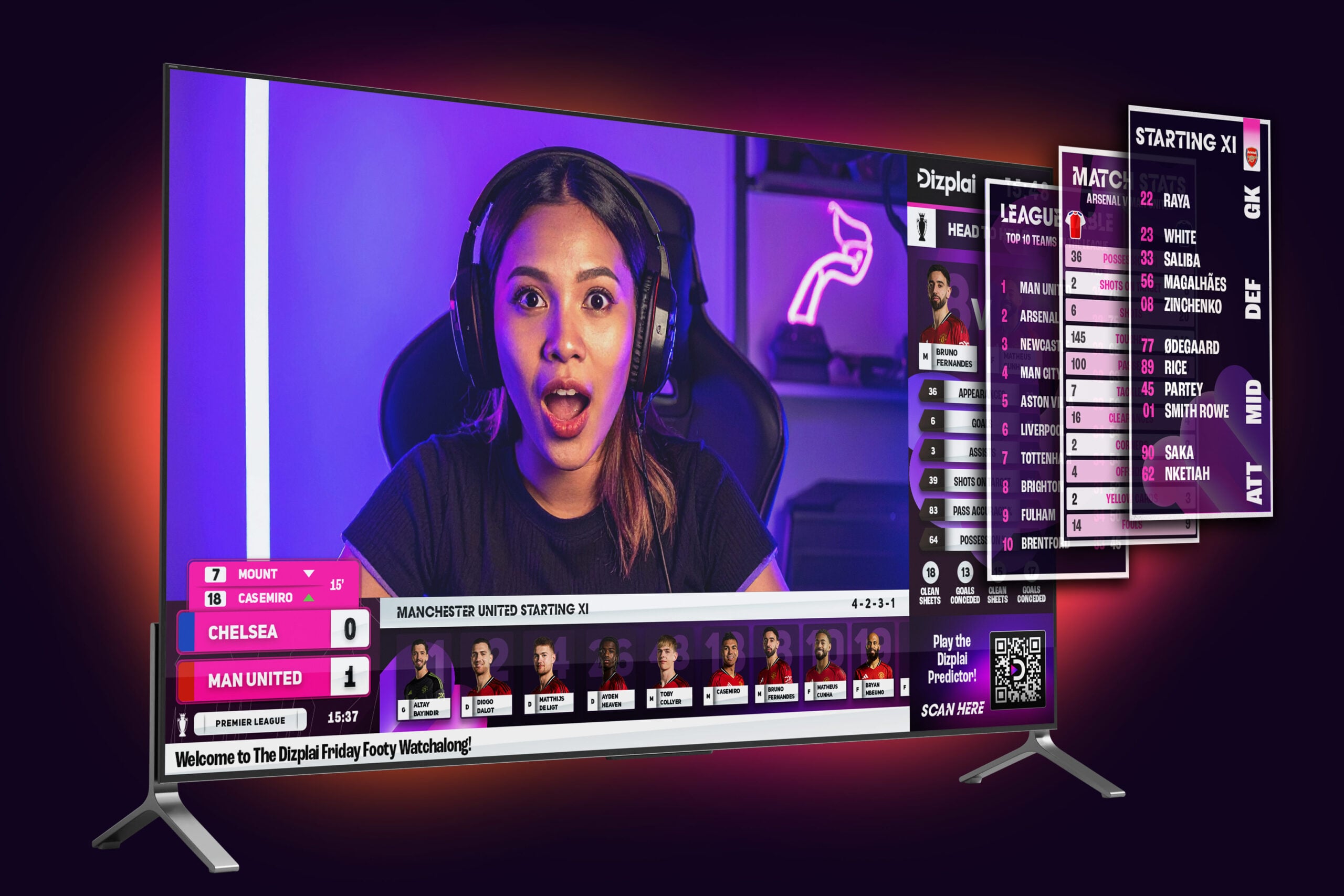
In the old world, media was built on infrastructure for distribution: studios, trucks, satellite feeds. Today, the infrastructure we need is for fan engagement:
- Systems for participation, not presentation.
- Spaces for community, not just content.
- Tools for two-way dialogue, not one-way delivery.
This is why creators are winning. They’ve mastered what traditional broadcasters never built: infrastructure for ongoing relationships. Look at Mark Goldbridge reading superchats. Look at Icons Series turning golf matches into co-created events for the fans. Meanwhile, legacy brands are still “posting”.
Content is cheap. Community is compounding
Every club, league, and brand now has access to the same tools: cameras, feeds, editing suites. But without engagement infrastructure: community platforms, creator integration, interactive formats, first-party fan data, content is just noise.
This is also why traditional vendor models are breaking. You can’t build belonging by selling software and walking away. The future belongs to partners willing to share the risk and the reward through revenue-shares, co-owned projects, performance-based models.
If I’m investing in engagement infrastructure with a client, I believe I should be as invested in its success as they are. If the community doesn’t grow, nobody wins. The brands that will thrive aren’t those producing more, but those enabling audiences to belong. If you treat fans as reach, they’ll treat you as wallpaper.
From content calendars to fan engagement ecosystems
We need a mindset reset.
Stop asking: “What are we posting on Thursday?”
Start asking: “Where does our audience gather, how do we empower them once they’re there, and how do we maximise value together?”
In a landscape flooded with infinite content, exclusivity now equals anonymity. Multi-platform engagement isn’t dilution, it’s survival.
The new competitive advantage: infrastructure for fan belonging
The future differentiator isn’t rights or timelines. It’s infrastructure that transforms attention into allegiance. First-party data ecosystems. Athlete-owned distribution. Creator co-production. Real-time feedback loops. Not content plans, but engagement engines.
Brands that invest here will build movements. Those that don’t will keep shouting into the void.
Our audience moved. The question now isn’t ‘how much content can we make?’. It’s whether we’re willing to follow them into a world where content isn’t the product. Belonging is.
Download The Great Attention Shift report to explore how fan engagement is evolving across sports and media. And discover more about the services we offer at Dizplai.
FAQs
The Great Attention Shift is a term coined by Dizplai to describe the fundamental change in how audiences consume content. Audiences haven’t lost the ability to pay attention. They’ve shifted where they pay it and what they expect in return. Platforms are the new networks, creators are the new media companies, and interactivity, speed, and community ownership have become the primary currencies of audience engagement.
Every club, league, and brand now has access to the same production tools: cameras, feeds, and editing software. The cost of producing content has dropped to near zero. When everyone can produce content, volume stops being the differentiator. What separates organisations that build lasting audience relationships from those that don’t is engagement infrastructure: community platforms, creator integration, interactive formats, and first-party fan data that lets them act on what they know about their audience.
Fan engagement infrastructure is the systems, tools, and community platforms that enable ongoing two-way relationships between organisations and their audiences, rather than one-way content distribution. It includes participation mechanics like polling, prediction, and live interaction; community spaces where fans gather and connect; creator integration that amplifies authentic voices; and first-party data systems that let organisations understand and respond to their audience over time.
Because creators have built infrastructure for ongoing relationships rather than infrastructure for content distribution. They respond to their audience in real time, they make fans feel seen and heard, and they create the kind of participation that transforms passive viewers into invested community members. Traditional broadcasters built for reach and distribution. Creators built for belonging. In a market where content is abundant, belonging is what retains audiences.
First-party fan data is what makes belonging scalable. It lets organisations understand who their most engaged fans are, what they care about, and how to create experiences that keep them coming back. Without it, organisations are building community on borrowed ground, dependent on platform algorithms to surface their content and platform metrics to understand their audience. With it, they own the relationship and can build on it independently of any single platform.