

Fan Engagement > Podcasts > Inside the World Cup, How Social Replaces TV for News & Kings League’s 50% Staff Cuts
Summary
- What the BBC’s World Cup App Tells Us About the Future of Sport: The BBC Sport app hit 3 million unique users during England vs Croatia, the biggest single-day spike since Euro 2024 final and Wimbledon men’s final combined. The 3D Experience was used over 1 million times in week one. Predictor pulled 300,000 users returning on daily streaks. Engineering engagement around live rights, not just delivering them.
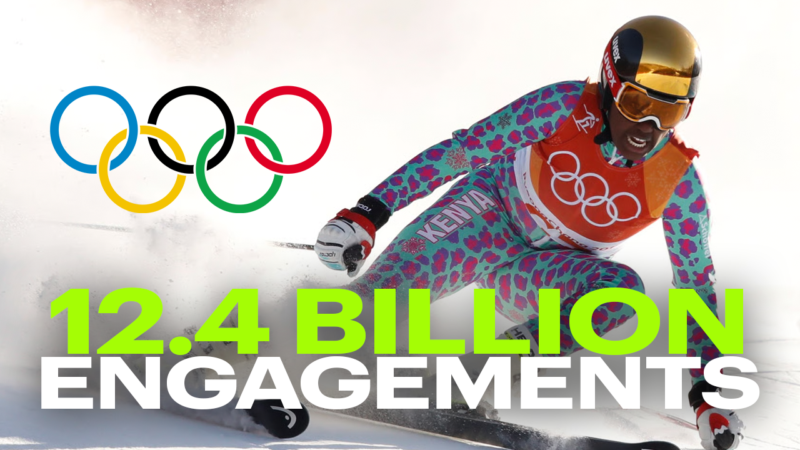
- How CazéTV Just Made YouTube History at the World Cup: A Brazilian streaming channel that started on Twitch just became the first individual streamer channel on a non-Chinese platform to top 10 million concurrent viewers. CazéTV peaked at 12.4M during Brazil vs Morocco. YouTube as a platform broke 20M concurrent for the first time. Ronaldo became a shareholder in May.
- Inside FIFA’s Record-Breaking Opening Week: USMNT vs Paraguay drew 27M combined viewers across Fox, Tubi, Fox One, Telemundo and Peacock, the most-watched men’s World Cup group stage match in US TV history. Germany vs Curaçao: 23.43M on ARD with a 70.2% market share. But Nielsen changed methodology mid-tournament, so records are being celebrated against a moving measuring stick.
- Social Replaces TV as the World’s News Source: For the first time in the Reuters Institute Digital News Report’s history, social media has overtaken TV and publisher websites as the most widely used news source globally. 54% of audiences now use social for news. But trust sits at just 22%. The habit is stronger than the scepticism.
- Why Kings League Just Cut Half Its Staff After 120 Million Viewers: Piqué’s creator-led seven-a-side property is cutting 30-50% of staff in Spain, weeks after Kings World Cup Nations drew 120 million cumulative livestream viewers. Saves around €2 million against a $63 million raise in February. Reach on rented platforms is expensive when monetisation lags audience.
- You Can’t Hype Sport Into Existence: Rich Johnson’s line on Kings League is the editorial spine of the episode. Five stories that all return to the same question: reach is now infinite, but who actually owns the fan? BBC engineering engagement, CazéTV breaking records on YouTube, FIFA winning attention, social overtaking TV, Kings League cutting staff. The data gap is everywhere now.
Transcription
Ed (00:01.356)
Hello and welcome to this week’s edition of the Attention Shift Podcast. I’m Ed Abbott, and this week I’ve got Rich Johnson with me. Rich, welcome to the pod.
Rich (00:08.64)
Why not?
Ed (00:10.136)
Cool, right. So we’ll get straight into it. Obviously we’re in the middle of the World Cup, so we’ve got a World Cup filled pod this week. So I want to kick off first with BBC Sport. So BBC Sport have published some early numbers we I noticed on LinkedIn yesterday around some of the stuff that they’ve been doing around their digital engagement. So they’ve been doing some serious numbers around how many people have been going to the BB Sp or BBC Sport app. They said three million unit users.
Off the back of that, they’ve had the 3D experience. They said that the predictor attracted 300,000 users in week one with a large percentage returning on a daily basis. So you can see that they have gone all in for this edition of the World Cup and they really have maintained a focus of how do we drive people, not just to watch, to engage with. And you can see that in terms of how they’ve been producing the live games as well. There’s been a lot of QR codes on screen to drive people in there. But I I don’t know if you’ve had a chance to to engage with any of this at all during the course of any of the games.
Rich (01:05.16)
Yeah, I think it’s
It’s really interesting generally, you know, so much of the focus around obviously, you know, BBC and ITV and the way they’ve position been positioned in the UK has been around actually the viewing experience and you know the focus on the sets and the prioritization of of budgets clearly. What I think is super interesting is again, like BBC have always been innovators when it comes to digital. And again, I think like the World this World Cup is another demonstration of that. Like, you know, they are willing to try and
new things and try different things. obviously, you know,
looking at the kind of spatial experiences that they’ve created. yeah, as you say, looking at, again, to coin some of your your words, more of the like active you know, audience engagement style tactics. I think it’s really cool, you know, finding different ways to pull fans away from just viewing you know, obviously on their screens and and obviously engaging more on their devices. So I think there’s a lot to like around what they’ve done. I think there’s a lot to applaud and you know for all the flack they give
Yeah. those numbers, you know, seem to be seem to be really great. It’s nice to see them published obviously so quickly.
Ed (02:18.722)
Yeah, I mean I’m I b interest BBC Sport the BCP sport app is always my go to generally anyway for for sort of football news scores, things that are going on. So I just naturally use it regularly anyway. So I I I you know, even without them driving me to it from the games themselves, I was already in there. what what I have found interesting, this is probably my sort of counter to it as well, is like ultimately they are driving audiences there and they’re saying to people engage with us, engage with us, engage with us but they’re never for me not closing that feedback loop, they if all of these people
are doing all these things, why not bring the data that’s been generated from it back into the discussion with the presenters, with the pundits, mid game, pr pre game, after the game? ‘Cause I think if you really want to drive that community experience where people feel like they’re being heard and listened to, that’s the next step. But it could just be that they’re slowly getting towards it, they’re just not quite there in terms of connecting, broadcast and digital still.
Rich (03:11.743)
Yeah. Yeah, I think it I think that’s kind of interesting. You know, we so much of the World Cup as the, you know, elite competition of football is naturally focused around insights of obviously, you know, the pundits and the the the ex players or current players. Yeah.
Ed (03:28.812)
Yeah, having the best guests and the best presenters, yeah, yeah.
Rich (03:31.786)
And I think there’s some really nice stuff within within there. You know, I have been watching ITV because, you know, for for that for the live experience because of the aesthetic, which I think is great, because of the pundits. And again, the, you know, the sort of s segments that have almost divided opinion. But I love the, you know, the MH stuff. I think it’s fantastic. I think she’s great. It’s a it’s fantastic to get that level of insight. on the flip side, and yeah, to some of the BBC stuff, it’s like they’re clearly
They’re probably winning this digital battle as often they do. But yeah, it would be really cool to see more audience and fan insight come into some of the broadcasts. Because ultimately that’s the stuff that we’re all doing. again, watching it together, watching at home, in the WhatsApp chats. so I I would love to see a little bit more of that reflected just because it’s so
It’s so native to everyone in terms of how we’re actually consuming the game.
Ed (04:32.674)
Yeah, I I think like and the way they’re talking about ’cause they’ve obviously gone that one step further where they’re not just doing simple polls. And look, polls have their place, but they are doing predictors, which takes a level of time investment from people to go and do it. And they’re obviously asking the pundits as well what they think about this. Like there are really, really obvious opportunities to be able to to go deep with that in terms of what the audience thinks in the lead up to the game to really get a sense of it. ‘Cause I think, you know, as much as Olivier Jerus was an amazing Olivia Jerusalem player and and and
you know, he did a lot for France. Like his insights have been a bit dry and he tends to say the same thing. I think with this, at least you’ll drive debate and force him and and others to try and have it take a different angle to what they’re saying rather than the same thing again and again and again. And I think that’s why I always naturally lean into these forms of audience interaction ’cause I think they do drive those studio presenters and guests to think a bit differently than they would do normally.
Rich (05:28.041)
Yeah. Yeah, definitely. I mean it’s something we’ve spoken about before, just generally this like idea of fan data offering or you know, and that fan insight and opinion offering a really nice
Ed (05:41.162)
As important as official data in a sense. Yes. Yeah.
Rich (05:42.942)
Yes. And performance data. Like I I just it just is because it you know, that is what is driving our world, you know, the the the soap opera of debate that that happens amongst fandoms and and obviously just gets pulled into
you know, sort of pulled into all aspects of our life. It’d be cool to see that reflected because at the moment obviously it’s it’s really up to the panelists to to sort of drive that. And there’s only a certain amount of real estate that they that they have to do it. You know, you’re talking like windows of of thirty seconds during a broadcast. So yeah, I I I think it’d be it’d be really cool and see a see a bit more of that.
Ed (06:14.37)
Yeah, yeah, yeah.
Ed (06:20.194)
No, just to close out we we we talked about this a lot, haven’t we? And just to close it off, it’s kinda like, look, you know, Opta and other data providers, they give you the official view of what has happened, what’s about to happen, what could happen. but fan data gives you feeling and I think ultimately you you watch these these things, you get invested in these things to have a a feeling and ultimately reflecting that is is I think the thing that often gets missed
Rich (06:34.283)
Yes.
Ed (06:45.976)
But I feel like we’re sort of stumbling towards it and we’re not that far away from it, but it won’t be in this World Cup. Unfortunately. Cool. So on the back of obviously what the Biba have been doing, just from a more sort of a more holistic basis, and we’ve seen some numbers coming out of the US around viewership. So, look the the FIFA’s saying that there’s been record viewership across the board. and look, and I don’t think it’s I don’t think it’s been any coincidence that the US have got off to a flyer
Rich (06:52.169)
Yeah, yeah, yeah. Yeah.
Ed (07:15.788)
And that’s that really, really has focused the minds of the audience in the US in terms of like they think they’re gonna go and win it. And the reality is it’s like probably somewhere in between. but it’s d I think it’s definitely focused the minds of people and th they’ve they’ve seen some serious numbers, I think, in Germany as well. I think they said twenty th twenty three million people watched their their defeat of Curissao as well. So I think the numbers look like the viewing numbers certainly look like they’ve been off the charts so far.
But I think at the same time as well, you know, the w where’s the unified view of this as well, ’cause viewing numbers are what they are, they they don’t necessarily mean engage views. and that’s the picture that we’re not necessarily getting.
Rich (07:56.788)
I think well, viewing numbers you know naturally important. I for me what’s it’s interesting talking about the BBC because they’re you know, starting talking about the BBC because they’re an organization that just kind of like gets bashed monumentally for for anything that they do. And I think the same is true for FIFA.
Ed (08:11.512)
Yeah.
Rich (08:17.187)
Now I am not some sort of like FIFA fanboy. I think you know the all the stuff around the ticketing has been, you know, just pretty, pretty disgraceful, really, and and would be a shame to be you know, I would love to go to some of those games, but yeah, clearly it’s like the barrier to entry to actually like stomach pain for some of the tickets is is insane. But again, no surprise, view numbers l look amazing, and I think
Ed (08:36.173)
Yeah, I SM.
Rich (08:45.821)
Credit must also be given to FIFA for parts of their strategy that are that are driving all of this. They are actually really trying things that us as a sports industry, you know, really ask for and and and want other people to do and try and talk about. And that is, you know, the elements of culture that they’re trying to tap into. You know, their sort of FIFA sound strategy.
Ed (09:03.244)
Yeah. Yeah.
Rich (09:13.063)
I don’t know how it’s viewed internally, but it’s probably viewed as a huge success. There’s some really interesting stats actually that kind of back this up. we’re gonna get a ton of moans and groans in about four weeks’ time with the half an hour long halftime show. There was obviously moans and groans about some of the elements of the entertainment around the the opening games. But
Ed (09:34.168)
Yeah. And the fact it was done in multiple places well, ’cause you’ve got three countries, so yeah.
Rich (09:38.035)
Yeah. But there is no question that is a success for FIFA. The amount of views, right, in the opening, you know, whatever it is, like what I pulled some stats at the time, it’s like opening like five.
Ed (09:50.486)
probably ended up being more like a twenty four hour window, didn’t it, with the with with the fact they had three opening ceremonies.
Rich (09:55.052)
On YouTube, within the opening five days, the most viewed videos on YouTube, even whilst the games were going on, were those opening performances, the entertainment. Exactly. The most viewed videos, the most viewed video ever on the FIFA YouTube channel is actually a BTS song from the World Cup 2022 playlist.
Ed (10:06.678)
Because they’re linking into lifestyle and culture.
Rich (10:22.397)
It’s the same strategy as the as the NFL and Super Bowl. The most viewed videos on the NFL YouTube channel are actually of Super Bowl halftime performances. So, you know, they have been pulling the right levers to attract the the maximum amount of reach and and attention. their gaming strategy, again, like ton of question marks over the breakup with EA.
I think there’s still question marks over whether that’s the right thing to do, but they have you know, stuck to their guns on releasing and being in control of releasing a series of, you know, gaming products, mobile, on Netflix. Again, the quality of them is questionable.
Ed (11:01.422)
They’ve been doing they’ve been doing they’ve done the pr predictor deal as well, they’ve done as So they’ve been going down the road doing their own predictions as well. Yeah.
Rich (11:06.921)
Yeah, which I think felt like a fairly last minute move, but they’ve been doing also experimenting with the 3D with, you know, alternative spatial highlights and and uploads onto YouTube. Again, like a ton of question marks over over all of this stuff, but we ask for innovation in the sports industry. We ask for people to move quickly and and and you know, sort of try new things. And I it ha credit has to be given to a lot of them as a big on organization that they are doing some of this stuff. And of
Ed (11:09.73)
Yeah.
Rich (11:36.798)
Of course you can critique whether they’re doing it and or doing it well or doing it for the right reasons. but they do do it. And again, back to the point around the numbers, like the I think obviously it’s gonna be the most you know viewed World Cup.
of all time, you know, I I wouldn’t put any question marks over that. Again, whether it is or not, like that is gonna be the press release. and yeah, listen, like FIFA could solve world poverty and people would still find a way to pick holes in them. Again, I’m not like to be clear.
Ed (12:09.71)
Absolutely.
Rich (12:12.851)
I’m not like some sort of FIFA fanboy, but I also do really like think it should be recognized. And people have laughed at them so much for the for the Levi’s thing and the covering up of the brands, which again has been like super heavy-handed and but that is par for course. you know, no one’s like super surprised by this stuff. It’s pretty par for course, so
Ed (12:30.582)
Well as the say as the saying goes, like no news is bad news in a sense. Like it’s still it’s still there’s still it’s still driving talkability around the actual event in itself just by doing those kind of things as well. I one thing we haven’t covered off as well, which will leave his nice one to next door as well, the fact that they’re all been they’ve been testing out this process around YouTube and TikTok where they’re showing early moments of the game. Now we haven’t seen any numbers around that yet and we were just having a bit of a look earlier, weren’t we, to see how people were doing it where
most of the the the media rights holders have been using their build up to the game, then part of the game to ultimately where they’re capturing the audience. Be interesting to see if anything ever even comes out, what happens at that point where the viewer knows that they can’t watch it there anymore. Are they trying to almost capture that? People are searching for live free streams on YouTube and on TikTok. Start watching that and then because they’re already in the game.
It’s too late to go and find it elsewhere, so they have to then effectively go to the rights holder to watch it because they don’t have time to find it anywhere else. Is he’s is that ultimately the simple strategy that they’ve employed, which we I mean, we don’t really know that yet.
Rich (13:33.984)
Well, you know, as the supposed guardians of the game, best intentions of growing, you know, their their their their mandate is obviously to to grow the game of football, you know, both within fandom viewership, obviously also, you know, accessibility and development as well. But you know, it it makes sense that they would do something like that with obviously the the the backing of
you know, the broadcasters who are paying the money, you know, for access. But like it makes sense because yeah, you know, like what are people doing if they’re if their national team is playing? They’re searching for where they can find find to watch it. that’s obviously happening on devices. And great, like meet them at the point of consumption.
you know, whether the right strategy was also translating that into a last minute deal with a VPN provider, for the for the you know, aims of maximizing reach, that’s that’s that’s probably that’s probably up up for debate. But you know, I I think again it’s yeah, it’s you know, it it’s a modern tactic of finding a way to maximize reach.
Can everyone get away with that? Well, you know, probably not. I think, you know, again, the it’s it’s it it that is a privilege of the most success the most popular sport sport and sporting event on the planet. But but they they have been doing really interesting stuff with their YouTube strategy anyway.
Ed (14:57.89)
Yeah. Well look and and
Ed (15:03.48)
They have, yeah. Which brings us on to Casey TV and Brazil, right? Everyone knows that obviously they’ve they went and did a deal with Casey TV in Brazil and also Live Mode, who are part of that stable, similarly in Portugal as well. So you can watch Brazilian games in Brazil and I think you said in other parts of South America as well, and you can watch Portugal games in Portugal live on YouTube on Case and Live Mode’s channels, which are effectively one of the same. And look, and Casey have seen a peak of twelve point four million people think what concurrent views for the Brazil versus Morocco game.
There’s a total a total concurrent peak of twenty point two million for the same match. That, you know, they are you know, they’ve been growing more and more and more. Ronaldo’s invested in them. The the parent company, Love Live Money has been growing more and more. And I think it’s Casey appeared at a time where the Brazilian media market was so fragmented and so on its arse, to be brutally honest, that they saw an opportunity and they did what they did. And FIFA have seen an opportunity and they’ve done what they’ve done. And they would argue that
And I think when you look at it like this, like we’ve just been talking about here, different countries have different strategies. So it’s kinda like right message to the right people at the right time, wherever you need to, because we live in such a fragmented world, one size doesn’t fit all and they’re clearly employing different ways of doing it.
Rich (16:14.889)
Yeah. I you know, again it’s it’s so cool that for such a huge market, particularly for football, one of the primary markets globally for football,
is being shown live on YouTube for free. It’s just brilliant. But and and the numbers are crazy. Yeah. Obviously concurrence are really are are really impressive. because again it’s not always going to be native for people. Like I say there is a certain demographic going to be looking out for it, but it’s not native. And it’s also not as convenient as just like you know, listen, I and I’m very inexperienced with how Brazilian broadcast and and media works. But you know certainly here it’s like the convenience of flicking on your TV and just going boom my TV
Ed (16:33.634)
Yeah. Yep.
Rich (17:00.569)
Or BBC. It’s like it’s super native. But you know, for there to draw those kind of numbers on a platform like YouTube. I also was having a look at the time of recording, Argentina, Haiti was last night. the total numbers on the stream are 104 million views. Now that yeah, it’s it’s insane. The the
Rich (17:29.737)
Sorry, you’re gonna have to cut that wheel. It’s if we can. It’s not the right game. I just mixed up my note. I’m gonna start that. I’ll I’ll I’ll I’ll
Ed (17:34.338)
Yes, Fania.
Ed (17:39.662)
Where do you want to start from again? Will we just make you’re not saying anything, we’ll just make a note of that time when we need you just to edit that.
Rich (17:44.425)
Yeah, yeah. it was
Brazil Haiti. Yeah, yeah, I’ll just I’ll just talk one those.
Ed (17:53.966)
Where do you wanna pick up from then?
Okay, go on.
Rich (17:58.72)
Yeah, one of the most interesting things actually looking at the numbers at the time of recording just a couple of days ago was the Brazil Haiti match. I’ve got 103 million views on the on the actual stream. Now, what’s super interesting, obviously like incredibly impressive numbers, just on a you know single stream. What’s super interesting, I haven’t actually been able to watch the video just because I can’t get access from from here. but it’s a 12 hour feed. So I think again, what they’re doing is obviously showing the line.
Ed (18:16.728)
Yeah.
Rich (18:28.723)
game and then just probably showing it on repeats just to maximise that reach for intention. But it’s
Ed (18:32.238)
But what they’re also what they’re also got at Kazay as well, they’ve got people out on the ground. It could well be that they’re out in in in bars and around stadiums and they’re just like it they’re taking the people with them and they’re creating it ’cause we’ve talked about this loads, haven’t we, that a live event is not just the two hour window, it’s a live moment that actually stretches up to days. ‘Cause you’ve got your build up, you’ve got your post. So it could just be that they like I said we can’t we can’t actually see it, because obviously it’s geoblocked and our VPN’s what let us.
It could be that they’re extending that window too.
Rich (19:03.657)
Yeah. It you know, again, there’s just there’s just a lot to like about a lot of these different levers that are being pulled and you know, the numbers are are being shown to be, you know, really impressive and and I think it would be so easy for the biggest sports event in the world to really just like kind of sit in a box and just do the safe things.
But yeah, they aren’t. And you know, Case generally, I think has obviously been talked about so much in the industry in terms of what they’re doing and
You know, perhaps whether whether this this this happens or not, we’ll see. But perhaps being a peek into the future regarding how the future of distribution works for live sports events. you know, can others like justify the critical mass to to have that sort of approach? I I’m not sure, but but you know, certainly it feels like it’s a successful experiment today.
Ed (20:08.558)
Absolutely, and I think I mean you know, the point you were saying earlier about like like it’s isn’t it’s not for everyone to be able to access this kind of content, you know, different demographics, different age ranges. Interestingly, we were in Norway at the weekend working on an event and that we were streaming this particular event we were doing as well, and one of the people in the room with us in the operations centre came over and went, This is truly engaging. My eighty year old parents are currently streaming this on YouTube on their iPad. He said, I didn’t even know that they knew how to use an iPad.
And then manage to find this and watch it ’cause we just mentioned that we were doing this. And you and you go, Okay, when you start sort of hearing stuff like that, you go like this it’s it’s past the this is just for the younger audiences now. And similarly, you know, my my mum’s in a you know, in a in her sixties as well and and similarly like she pretty much watches everything through her iPad. Like she’s yeah, she’s got TVs but she’s she’s she knows where to go and find stuff as well. So,
I I think we’re way past that now and actually that’s why I think doing this, like I said, neither of us are post the Boys for FIFA, just to be clear again. But the fact that they’re all doing this and finding different ways they’re doing this, that they’ve got this multifaceted approach, country by country, with some overarching strategies, but with some local delivery mechanisms. Anyone working in this who knows that is not easy.
To pull that together and to do that. And yes, they are gonna get slagged off for ticket prices being too high and it’s too much to get on the train and something’s in their control, something’s not in their control. But the reality is to make this ex as accessible as possible to as many people as possible, they’re doing it. And and and that’s the only way you can look at it. So interestingly, the fact that we’ve covered off obviously how they are using digital video and social to be able to to access audience. So there’s an interesting study that’s come out from Reuters.
and it’s the Institute of Study for Journalism that they published last week and it was based on a survey of nearly a hundred thousand people in forty-eight different markets. Basically what they’re saying now is that fifty percent of fifty four percent sorry of global audience now use social media for news rather than news organizations themselves. But at the same time, trusting social media news is only twenty two percent globally. So
Ed (22:20.5)
Audiences are going there to consume that content but they don’t necessarily trust what they’re consuming. But but they’ve been hooked on the drug and they don’t know what to do. Is the only conclusion I can get from it.
Rich (22:29.893)
Yeah. Well, yeah, I think just ’cause you get your news from again like socials, I think everyone’s learnt
Or, you know, hopefully learn to treat a lot of stuff with a with a lot of skepticism. I don’t think AI is is obviously helping with that in that you know, now it can be so convincing in terms of anything that you that that you can watch and consume and and actually, you know, trust it. I’m just I I’m actually honestly I’m surprised that it’s taken till 2026 to for this to to to to to tip to
Ed (22:42.382)
Hopefully.
Rich (23:05.835)
you know, scales. I I could have definitely like anticipated that it would have been, you know, a number of years earlier. you know, maybe like four or five years earlier, honestly. But but yeah, it’s I think the I think for me the reason why is like everything has just become you know a soap opera and dramatized.
Ed (23:35.246)
Clickbait. Yeah.
Rich (23:35.564)
Any anything that you would get your news from, you know, of around, you know, things that are happening in the in the economy or you know, in the White House or Westminster, or, you know, obviously sports and and you know, the business of sports and everything that happens is is now so dramatized. And I think you know, headlines.
Either headlines or hooks, which is how obviously social works, and then sharing that from one person to another, is the most efficient way to you know effectively communicate those messages. So it’s as I say, it’s absolutely not surprising. I think the most surprising thing is is that this type of report didn’t claim this about four or five years ago.
Ed (24:24.45)
We had a similar kind of thing last week on the pod we were talking about AA IAB and talking about you know, where the the advertising market’s going now and that ultimately like people are now doing most of their consumption across digital and social media and that the value of advertising basically they were saying that the value of advertising now is just as valuable on on YouTube as it is TV and like, caught up then, realise where we were. you’re right, but I think these institutions like Reuters for instance or traditional legacy institutions that don’t get me wrong, look, I d we don’t know how fast they’re moving in terms of changing
with the times, but I think that’s probably the reason why these things are only just coming out now, ’cause I think for a long, long time they were fighting it, trying to protect the the infrastructure that existed already, and then they’ve realized that actually infrastructure that existed already, I don’t think it’s going anywhere, but it’s just not what it was. And there are other infrastructures now that are already way past they’re just an irritant stage.
Rich (25:01.108)
Yeah.
Rich (25:13.695)
Well and and honestly, listen, frankly, the the experience of take take the the publishing side of things. The experience of consuming content on a publisher website is awful. It’s like you know, it’s adds you’re bombarded with stuff, like it’s obviously super distracting.
Ed (25:32.224)
Adds.
Rich (25:39.828)
And then obviously you’ve got paywalls, and I’ve I’ve no problem with paywalls at all, like in terms of if you want to pay for content. I I think people should pay for content, good content, and if you’re gonna do it, great.
But you know, they they aren’t the sticky experiences that you find on s on social. So, you know, again, and and it hasn’t been for a long time. Yeah, you know, the the publishing websites have been a total disaster to, you know, use for a long time. And I think, you know, it’s this is just more people discovering that there are other experiences. The trust point, there are other ways to get to get that information used. I think the trust point is kind critical though, because you know,
Obviously we’ve spoken a lot about the BBC, you know
the the trust economy is just like deteriorating rapidly. and, you know, how do we find news and information that you don’t have to actually like Google and verify straight away? because I find myself doing that a lot of the time with things that I’m sent in WhatsApp groups. and I don’t and I don’t always do it with stuff that I send, because the, you know, the ability to send something in two clicks to someone because you think it’s relevant or you think it’s
Ed (26:44.002)
Yes.
Rich (26:54.707)
you know there’s a talk there’s there’s something there’s a discussion point around it is like so easy to do but then you have to I’m constantly when I’m getting stuff on WhatsApp’s like, yeah but is that actually true? And it’s it’s a bit of an effort really to kind of like find it out. so I think this like deterioration of trust and and how that’s combated is is potentially something that’s that’s sort of just interesting to observe really
Ed (27:21.24)
Yeah. yeah, and I think it’s happening in so many walks of life as well. It’s not just necessarily a a social media thing, right? ‘Cause think people in in in in different industries as well have been sort of leaning into this and realising that actually if they they they make a big noise or they say something’s controversial, it’s likely to get them more clicks than than if they don’t. so
Last story then. So obviously we talked earlier about like sort of new modes of distribution and new ways of doing things. So Kings League. So Kings League have just announced that they’re laying off bit anywhere between thirty and fifty percent of their staff. obviously while the World Cup’s going on as well and obviously
Kink League is Gerard Piquet, ex Barcelona. He was the founder of that. And it’s a creator led, seven aside, football property. They’re in the process of cutting 41 positions out of their base of 125 employees. They’ve had a lot of investment. They grew rapidly. Brazil, France, Germany, Spain. There is a place certainly for these pop up.
short form variants of different sports but obviously we saw what happened with Baller League as well or Bolardy decided that Germany wasn’t the focus anymore because they were moving into the US is this is this the the beginning of the end or is this just more a refocus around what’s working and what isn’t and actually a reality of actually those are the things that really cut through?
Rich (28:48.427)
Probably a bit of both. I mean, I like I am such a I’ve been so excited with these like challenger products that have been have been kind of coming into the sports industry because I think it’s needed. I I you know, I again I love the elements of disruption and it it keeps incumbents and you know, because sports does and and you know, sports does suffer from innovators’ dilemma quite a lot because often it doesn’t need to be challenged.
The creator industry or the the the attention that sort of you know the creator economy has brought is a huge disruptor and challenger that’s that’s sort of come externally. So I like and I have very much sort of been in support of
you know, new leagues, these startup challenger operations. Cause I I because I think it’s interesting and I think we need it. and obviously, you know, there is a lot of investment and money going into it as well, which like would I put my like money into it? Actually, like no, I’d be I’d be super cautious of of where that’s deployed and how and how it’s deployed.
And there’s a couple of couple of reasons for that. I think firstly, like you know, in the example of like a Kings League and even a baller, you can’t, you know, you can’t treat it like a like a tech product. you know, or or a tech company in that like it’s you
Ed (30:18.53)
Yeah. But they have been searching for those kind of valuations.
Rich (30:22.931)
Yeah, exactly. And like and you can’t you know, I don’t think there’s any model here where it operates like on a on a sort of severe J curve like very quickly where you can like, you know, incur lots of losses.
Because the way that that’s done in, you know, Silicon Valley and everything is is you know ultimately incurring losses, continue to raise more, but you ultimately have this like highly scalable product. And you know, this doesn’t kind of quite work in the same way. I actually made a prediction, when was this? A long time ago, no. Some point last year or to our mutual friend Dre Redfriend. Friend of the podcast. And around
It was actually more in context of ball league. And I think the same same thing here’s play playing out with Kings League. I was saying, like, I pretty much am I’m sure that they’re going to announce kind of, you know, try and launch as many products as they can quite quickly, you know, series, but also new markets. They will announce record views, they will do another raise off the back of that, and then
You know, then it’s really kind of crunch time and you know, you kind of see what your what your product is made of, and if you have enough critical mass. I think King’s League it’s played out but but but slightly earlier. in the you know, again, they’ve raised huge amounts of money. I think just this year, 63 million dollars, you know, in February. For me, they’ve probably launched in too many territories and lacked focus. You know, so you’ve got Spain, you’ve got France, you’ve got US and maybe maybe South America might be right.
Right, you’ve got the the Queens League. and you know, can you sustain and build enough critical mass in all of those markets across a really disruptive model?
Rich (32:16.543)
That that that’s I think the question mark over it. And it’s super interesting. You know, again, they’ve done a lot of stuff right. Like the way in which they’ve engaged creators, given them their own platforms, giving them their own distribution, obviously had them involved as owners. The brands that they’ve got on board are really, you know, credible, very well established, clearly believing, yeah, we need to be part of something that’s a little bit more disruptive. so I think there’s there’s a ton to to give credit to. But yeah, it’s it’s really it’s it’s hard.
Ed (32:41.911)
I
Ed (32:45.646)
I think there’s one other thing I think there’s one other thing at play as well here as well, that ultimately they’ve raised what they’ve raised right on ground that they don’t own because they’ve built these these content platforms on platforms that they don’t physically own.
They are they’re all they are other people’s platforms. Now Wheatloffs look, we don’t know how many of that audience that is on YouTube or across social channels they can actually identify. But there’ll come a point where look, investors invariably pile into these things ’cause they get taken along at the crest of the wave. Investors are gamblers, right? They’re better bet they’re betting money. Some will win, some will lose. But there comes a point when they start saying, I want some of my money back, I want a return and ultimately if you don’t know who any of the audiences are, it’s
stops you ultimately be able to monetize that audience. And if most of that audience is sat on YouTube and the like, not necessarily controlled by them, and suddenly something gets switched off for some reason, what what you’re left with. So those valuations I think that they have been getting, the reality is there ends up being a a a recorrection. And I just wonder if there’s a recorrection happening at the moment as well where more and more
Of these people who are creating these things are cre creators well, are realizing that they that whilst while they are making money in the short term, they’ve not necessarily got the long term control over how they continue to do it. Just to on the other week, like last week I think it was, Mr. Beast went to five hundred million, right? At the same time that Mr. Beast, who has the connection that he has with Neil Mohan at the top table of YouTube, he was effectively asking questions of his audience, like, What’s your age? Where you from? Like, ’cause he doesn’t really know much about his audience.
Rich (34:24.906)
Yeah.
Rich (34:28.617)
Yeah, I think that’s I think that’s very much right. I I think it comes back to my frustration with how quite a lot of stuff kind of plays out and happens is like there’s there’s short termism. and yes, in regards to like
those foundational things, as you say. Like I and I don’t think it means obviously like building your own platform of where people can watch Kingsling, but it’s it’s doing the even the types of things that that you talk about, which is again like finding ways to get engage audiences in different places, to to capture data and to monetize, you know, to be to be kind of frankly, whether directly or indirectly. the other point of short short termism is firstly, as an industry, I think we’re too quick to to judge.
And say whether things are right or wrong or who was right or wrong or which, you know, linked influencer like made this correct prediction. but also like from the point of a from the you know Kings League themselves, like I don’t think you truly know whether you’ve got something
that is interesting and that can scale until like probably like four or five years in. Then you really know are people coming back because it’s there? Yeah. Are people coming back because it’s there and because they’re fans of it, or are they coming back just because it’s it’s been hyped? And because like, you know, the only reason is because their favorite creators attached to it or just because they’ve they’ve sort of
Ed (35:48.174)
After the after the initial excitement and yeah, as it flattens a bit, yeah, yeah.
Rich (36:05.845)
They were of a sort of particular age or they’ve been served at a particular time. So, you know, again, like in that point, that’s why, again, I mean like you can’t really like treat it like some sort of tech product. I think you’ve got to like build critical mass, like one audience, one market, really kind of see if that’s sticky, and then figure out ways to kind of cater for that demand elsewhere. Cause I think that’s the point. It is about demand. I don’t think you can you can’t hyper sport into existence.
And unfortunately, I think that’s like happening across the board. we had Live Golf. I’ve never like had any, I’ve I’ve sort of been to Live. I again was like excited about it. The really unfortunate thing was the narrative was all about money. And again, it was trying to be hyped into existence. I think there’s elements of certain proportions of, you know, particularly like women’s football or something that’s trying to be like hyped into existence. So, you know, I think that’s the frustration and the almost the warning I would
sort of say around this is it doesn’t mean again to a lot of the thread of this chat is like doesn’t mean we can’t be innovative and look at different things because it’s critical and you know I’m passionate about that. But also like let’s judge things over a 10 year time span rather than you know three years and both that’s on the amount that’s money that’s put into it, everything, or the revenue that’s made or the fans that it’s got from a business perspective, but also from an industry perspective.
Ed (37:32.974)
Perfect. I think that’s a good place to wrap up, but longer one than normal this week, but I think we had a lot to talk about, obviously with the World Cup going on as well, and there’s been a few other things that have come out too. Thanks so much, Rich, for coming on this week and for your insights. if you want to be a guest on the Attention Shift pod, you can email us at hello at Attention Shift Media or you can hit me up on LinkedIn. this has been Rich Johnson, I’ve been Ed Abbis, and thank you so much for joining us.

- Tags: Brands & Agencies, Creators, Media Networks, Sports