
Key insights
Optional auth leaves revenue and relationships on the table. Anonymous device records tell you what happened (“a device played matches”). Owned fan records tell you who it was and what they care about. The difference is commercial.
The game is the visible part. The owned fan asset is the valuable part. Any rights holder can build a game. Building a sustainable fan relationship off the back of it is harder and rarer.
Participation mechanics change the math. Polls, predictors, and live interaction during matches turn passive players into engaged participants. That’s when you capture first-party data at the moment of highest emotion.
Platform economics matter. 30% of every transaction goes to Apple. Worth thinking about long-term ownership when you’re building on someone else’s infrastructure.
Early friction costs more than you think. Requiring login at download kills install rates. But making it optional means you never capture a chunk of your player base. The timing and messaging around auth is critical.
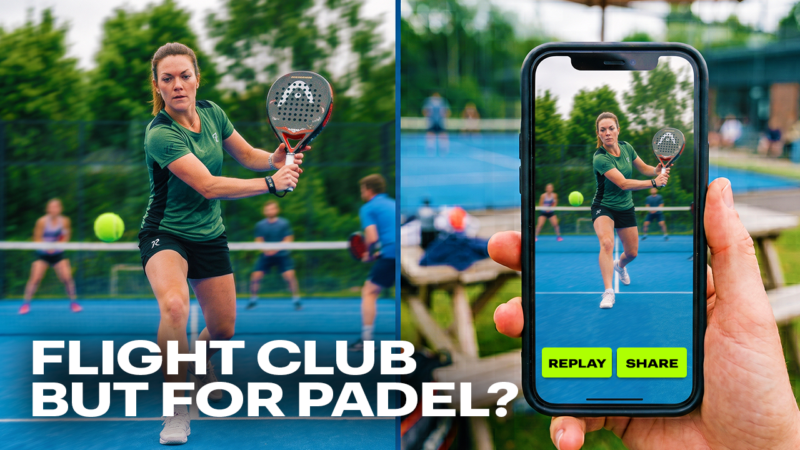
Premier Padel just launched a padel gaming app on the App Store. It’s a good move. Meeting fans where they are, creating a new engagement touchpoint, building a direct channel. The execution is solid too. The core gameplay is genuinely accessible, monetisation is well thought through with microtransactions and packs, and sponsor integration (Red Bull, Wilson, Qatar Airways) is already generating attention revenue beyond IAPs.
The login problem
But when I played it I never had to log in.
Optional authentication sounds like a small UX thing. It’s actually not. It’s the difference between building an owned fan relationship and just renting attention.
I downloaded the app and spent some time on it. Premier Padel now has zero contactable identity for me. No email, no name, no way to reach me. I was just an anonymous device. That’s what optional auth actually means in practice.
The data only flows once login is enforced. And I never hit that point. Neither will a big chunk of the player base.
So what’s actually being captured here? Attention, sure. Anonymous device-level analytics, definitely. But the fan relationship, the actionable, owned record of who this person is and what they care about, that’s been left sitting on the table.

The easy part vs the valuable part
The game itself is the easy part. The value is whether you’re building an owned fan asset or just renting attention on someone else’s platform.
Monetisation-wise, there’s the 30% platform tax too. Everything runs through the App Store, so Apple takes a slice of every transaction. It’s worth thinking about who actually owns the economics when you’re building on someone else’s infrastructure.
The app’s also a bit cluttered. Core gameplay is simple, but there’s a lot of competing modes, currencies, and CTAs fighting for attention around it. That makes the accessibility of the core loop harder than it needs to be.
Where the value actually sits
Get fans to identify themselves early. Build that owned relationship from day one. Then the app becomes an acquisition engine. A way to capture fans, understand them, and build a direct channel that isn’t dependent on platform algorithms or someone else’s infrastructure.
Layer in participation: polls, predictors, live interaction during matches. Make them part of the experience, not just observers.
That’s where the real value sits. Not in the game itself, but in the owned fan record, the actionable data, and the direct relationship you build off the back of it. That’s what turns attention into an asset you can actually own.
Right now it’s a fun thing people play once. With that change, it could be a foundation for everything else Premier Padel wants to build with their audience.
FAQs
Because you’re capturing attention, not relationship. An anonymous device record doesn’t let you reach them again, understand them, or convert them beyond that single session. You’re renting their attention, not building an owned asset.
Yes. But it’s worth understanding what that means for your long-term ownership. Every transaction that goes through the App Store is one you don’t fully control. Worth thinking about alternative revenue paths as you scale.
Timing. Don’t force it at download. Let them play first, enjoy the core loop, then introduce auth when they’re already invested. The friction is lower when they’ve already decided they like it.
They’re engagement hooks that generate first-party data. A poll isn’t just entertainment – it’s a data capture moment. You know what fans predicted, what they cared about, when they engaged. That’s the foundation for everything else you build.
Our research found that 29% of gaming fans are willing to pay $125 or more for a comprehensive digital membership, with the highest propensity in the 25 to 34 age group. In high-engagement titles like Fortnite and Call of Duty, the willingness to pay premium prices is particularly strong.
You can grow installs. You can’t grow an owned fan base without it. Growth and owned asset building are different goals. Know which one you’re optimising for.
If you’re building fan engagement products, understanding the difference between attention and owned assets is critical. Explore our second screen and fan engagement solutions.