Here’s what’s shaping the industry right now.
YouTube is becoming the default home for US live sport
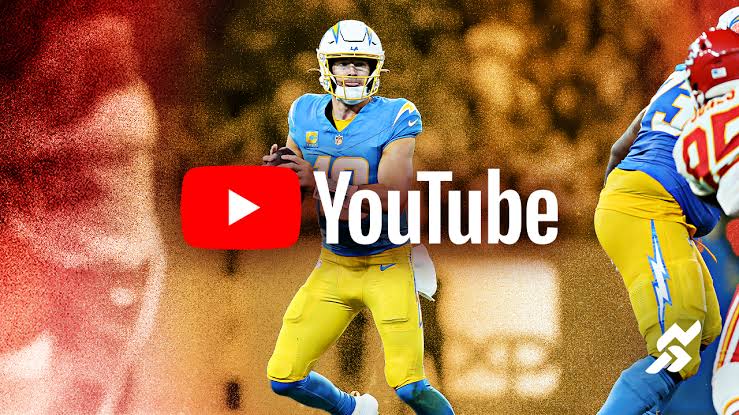
NBCUniversal and YouTube announced a global partnership on 27 July. Peacock Premium will bundle into YouTube Premium in the US from early 2027, covering the NFL, NBA, MLB, Premier League and WNBA. YouTube TV users gained access to ESPN Unlimited in the same week. The question it raises is whether going where the audience already is has become the only strategy left for legacy networks.
The bigger shift is structural. YouTube is not just carrying Peacock’s content, it is becoming the underlying framework beneath it, replacing the infrastructure that TV networks used to own themselves. The subscriber relationship sits at the heart of it: when a fan arrives at Peacock through YouTube, YouTube knows who they are. Peacock may not. NBC are likely driving up CPMs by co-selling ads on YouTube at rates far above the platform’s standard, which makes the deal commercially attractive. But if YouTube always owns the end user, that balance does not feel centred.
Can the Premier League Break America following the World Cup’s Success?
The Premier League’s Coast to Coast brings all 20 clubs to 15 US cities across an opening weekend in August, fronted by Ed Sheeran. Sheeran is a minority shareholder in Ipswich Town, who return to the Premier League this season, giving the campaign a natural hook. Sitting underneath it is Find Your Match, an 11-question quiz designed to pair new fans with a club based on their personality.
The quiz makes sense once you understand how many US fans follow the Premier League as a league rather than a specific club. They would watch Bournemouth versus West Ham the same way they might attend an NFL game with no attachment to either side. Before Ted Lasso became a show, it was an NBC advert that did something similar: comparing clubs to their NFL equivalents so American audiences had a frame to hang it on. Coast to Coast is the live version of that instinct. Give a fan something to attach to, and the rest of the relationship follows.
YouTube’s record ad quarter was driven by the World Cup. All Without Broadcast Rights
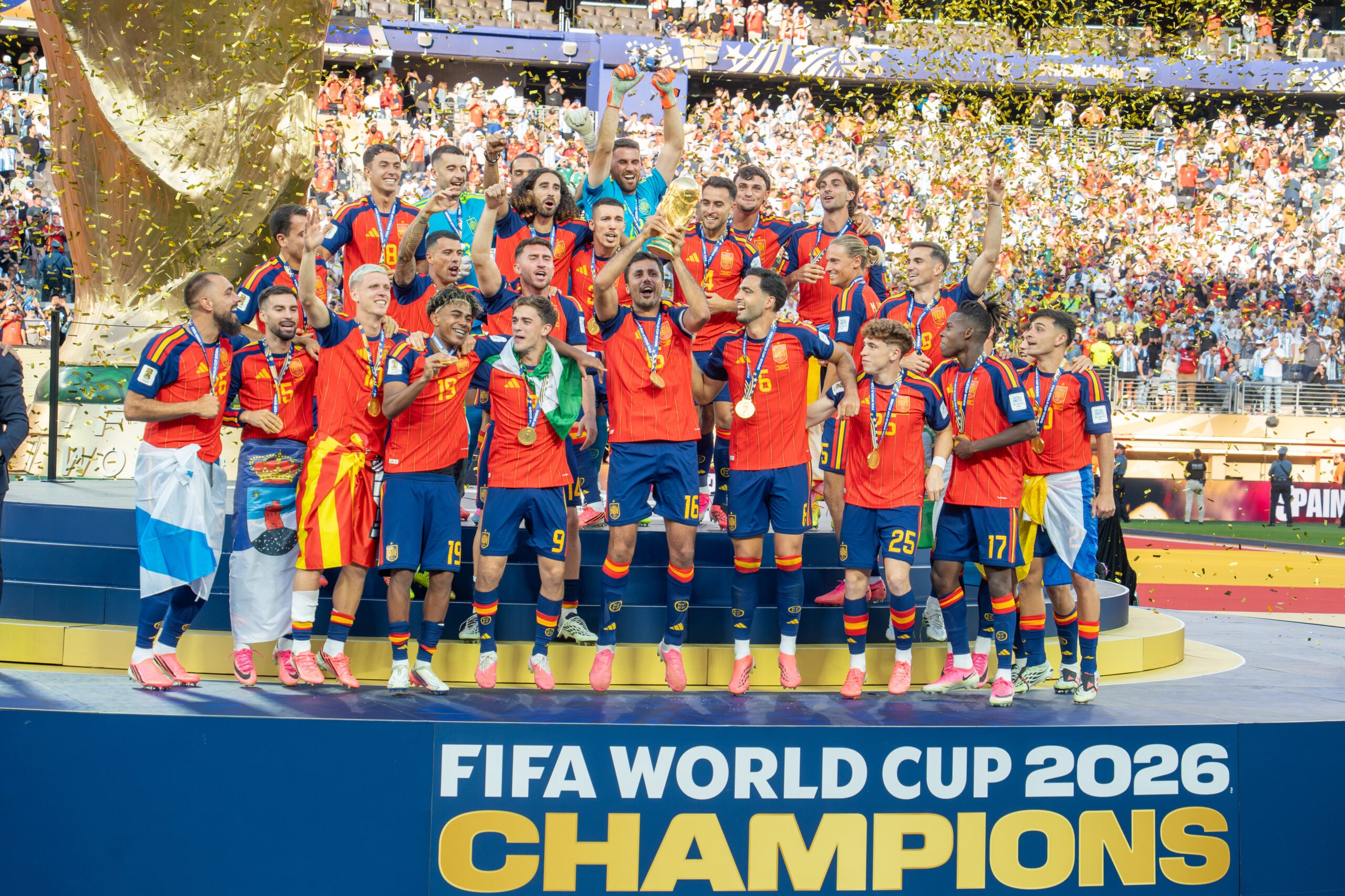
Alphabet reported Q2 earnings on 23 July. YouTube ad revenue came in at $11 billion, up 13% year-on-year, with Sundar Pichai crediting the World Cup directly: 1.7 billion unique viewers watched World Cup-related content on YouTube, 550 million of them via connected TV. Creators like iShowSpeed and Trevor Noah drew huge audiences without owning a single broadcast right.
The Rest Is Football generated 400 million video views during the World Cup. Goalhanger’s own framing was that it served as marketing for the long-form Netflix content, not a revenue line in itself. The pattern is becoming clear: enormous value is being captured from the conversation around sport rather than the rights to it. The harder question is what happens if that keeps going. If the money moves far enough to the edges, the thing in the middle, the rights, the product, starts to weaken. One cannot live without the other.
EA Sports is turning EA FC Mobile into a broadcast platform
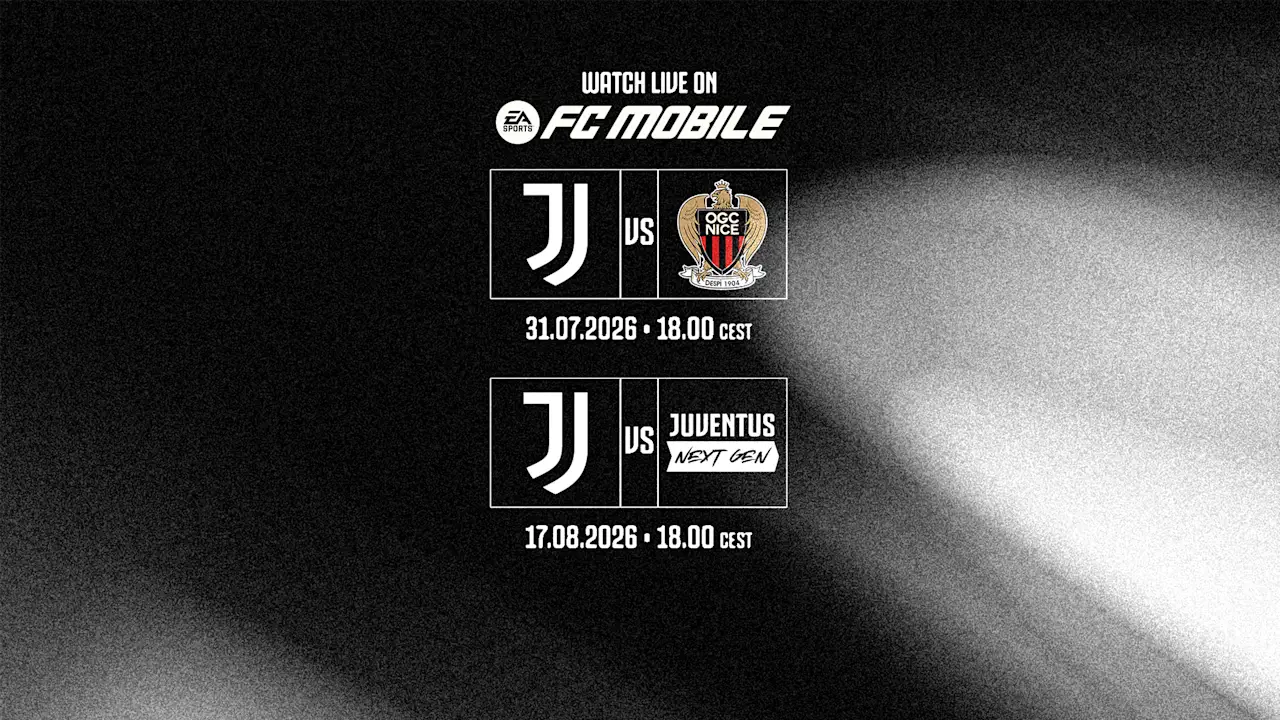
EA Sports FC Mobile will broadcast two Juventus preseason friendlies inside the game itself, streamed through an in-game portal called FCM TV, free to anyone in the app. It follows EA’s acquisition of TrackAB roughly a year ago, a move widely seen as their entry into live streaming. The ambition is clear: become a one-stop shop for football fans where you play, check scores and watch the game without ever leaving.
What makes this different from any other broadcaster is who is already in the room. Everyone inside EA Sports FC Mobile is identifiable, which makes it the closest thing to addressable broadcasting that exists in the sport right now. The fans in the app are not there passively. They are already in a spending mindset, already used to making purchases inside the app, nobody needs to be trained to buy. The Juventus experiment will tell EA how many fans stay for a full match and how many dip in for thirty seconds. The answer to that question shapes everything that comes next.
The PGA experiments with new alternate commentary
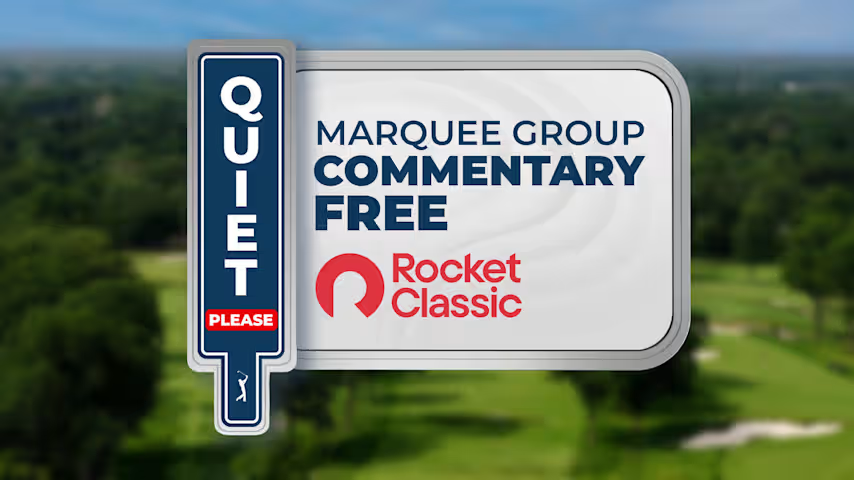
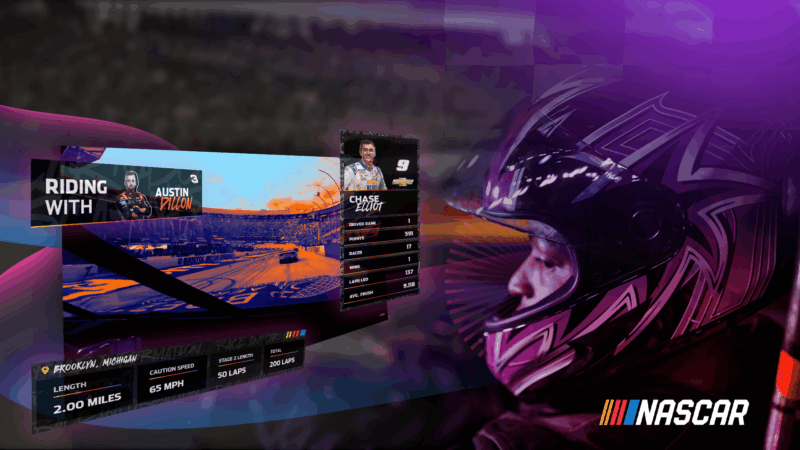
The PGA Tour piloted an announcer-free stream called Quiet Please at the Rocket Classic in Detroit, broadcast on PGA Tour Live on ESPN Plus. The feed leans into natural course audio, player and caddy conversations, crowd reactions, supported by enhanced graphics, real-time stats and a virtual lie display. The stream also introduced interactive layers: trivia and predictions that viewers could choose to engage with alongside the broadcast.
Silence is not really the point. If the PGA Tour had announced an interactive stream, people would have called it gimmicky. Leading with the removal of commentary gave them cover to introduce participation mechanics they probably could not have got away with on the main feed. What makes the format work is that golfers do not need to be told to perform. Unlike mic’d-up formats that ask players to be more animated, this one lets them forget they are being heard. That is when the dynamic between a player and caddy becomes genuinely compelling: the trust, the strategy, what is actually said over a difficult shot. That’s something fans want to see.