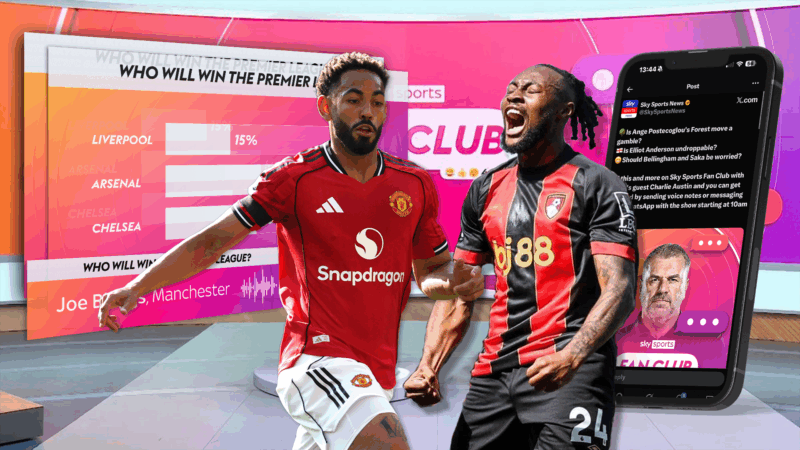

Key insights
- Views and likes measure reach. They don’t measure connection, intent, or commercial value. The metrics that defined content success a decade ago are actively misleading today.
- 92% of consumers trust peer recommendations over any form of advertising, making audience advocacy and sharing rate one of the most commercially significant metrics available.
- First-party data collected through program-specific apps and community hubs gives broadcasters and sports organisations far more actionable intelligence than generic platform viewing figures.
- The CPM model measures passive presence. The brands and rights holders proving genuine ROI to partners are measuring participation rates, QR conversion, and active community engagement instead.
- Content success isn’t how many people watched. It’s how many came back, how many shared it, and how many were invested enough to care about what happened next.
Content has moved on, and passive viewership is no longer enough. So why are we still relying on outdated metrics like views and likes? Today, the real value of your content is defined by viewer engagement depth, community strength, and sustainable revenue generation. The following 5 points outline how your content strategy needs to adapt:
1. Track audience advocacy and sharing rate
Basic statistics only scratch the surface. It’s critical to look at how actively your audience advocates for your content through sharing on social media. With 92% of consumers trusting recommendations over any form of advertising, measuring the percentage of viewers who share or recommend your content is the ultimate indicator of its success and organic reach.
2. Measure Community Value (The Creator Model)
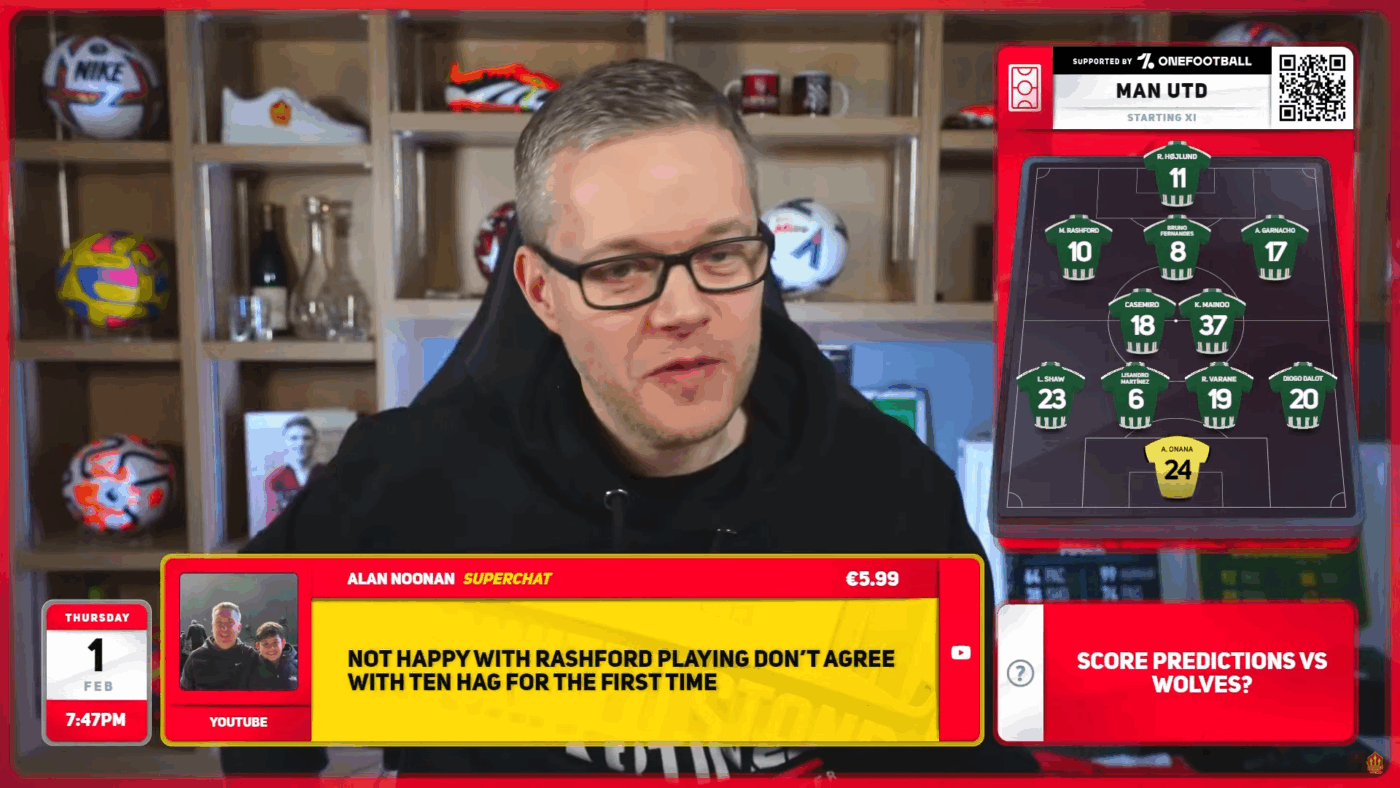
Audiences crave belonging. Creators, such as Mark Goldbridge, AFTV, and DR Sports, can use things like channel memberships and Super Chats to gauge their community’s loyalty. But this only works as a genuine value exchange. This includes exclusive content or gamification badges that publicly showcase their status to other members, transitioning passive fans into invested community members.
3. Track app interaction and first-party fan data
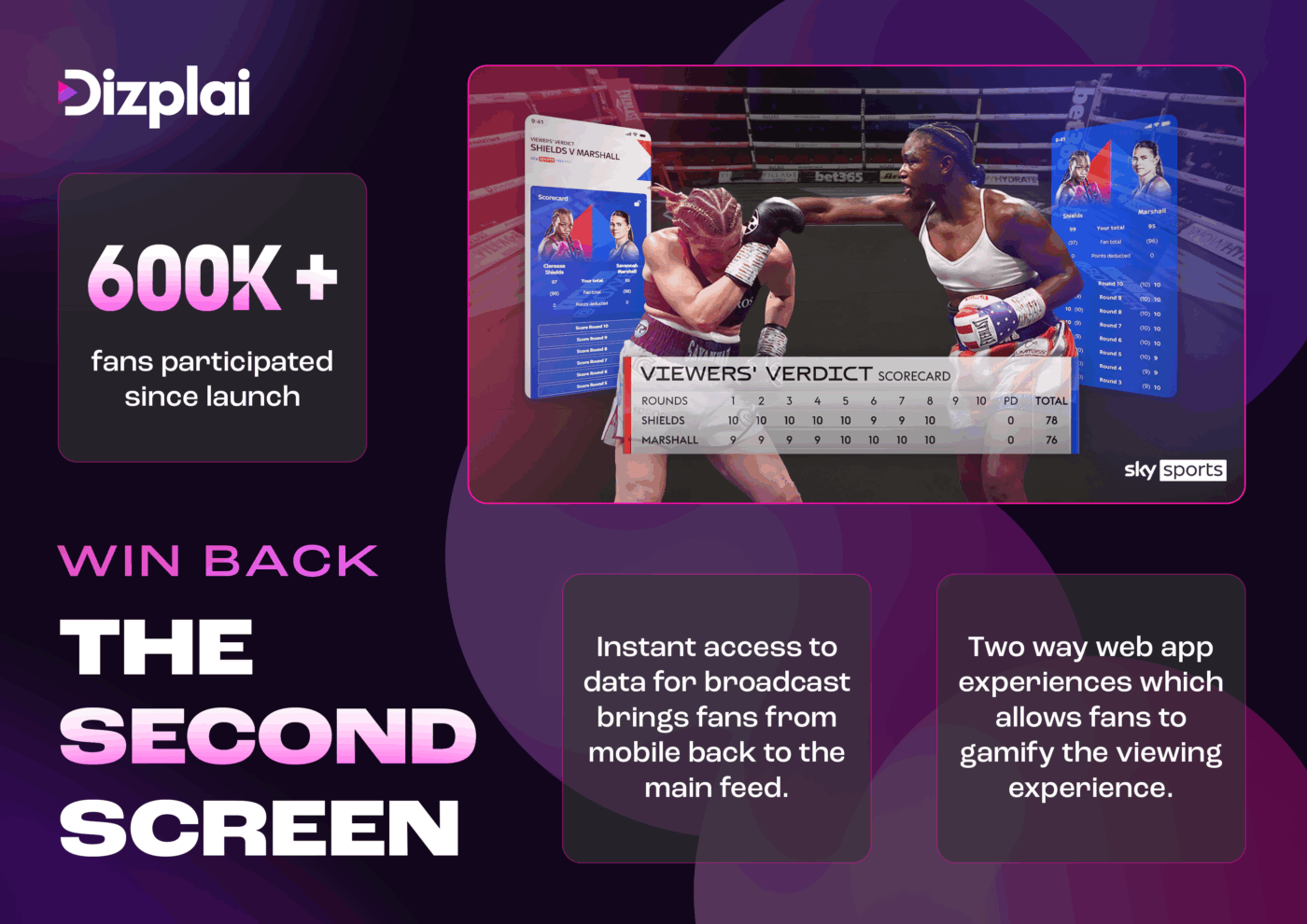
For broadcasters, subscription numbers don’t accurately reflect content success. A better approach is to create program-specific apps as a ‘community hub.’ You can then measure success based on App Downloads and active in-app digital engagement with each specific program. This also allows you to gather invaluable first-party data tied directly to the viewer’s actual content preferences, a metric far more detailed and valuable than generic viewing habits.
4. Revenue generation: focus on actionable fan conversions
The CPM model measures passive viewership and is quickly becoming obsolete. To prove content effectiveness to partners, you need metrics that show advertisements are actionable. Tools like QR codes allow your audience to complete purchases or desired actions without ever leaving the content. Your success metric becomes the percentage of viewers who interact with these external links, demonstrating consumer intent and providing partners with clear ROI.
5. Measure intent and retention through active fan participation
Content success is ultimately measured by how effectively you convert a casual viewer into a long-term supporter. Gamification and interactive features (like polls and quizzes) measure consumer intent because viewers are invested in seeing the results or competing on a leaderboard. This high level of active involvement is the true measure of retention. Are they just watching, or are they emotionally invested and certain to return for the next broadcast?
The metrics that built yesterday’s content empires won’t build tomorrow’s. Tracking active digital engagement, measuring real community value, and demonstrating genuine consumer intent to partners: that’s the new standard. The organisations moving to it now will have a significant head start on those still reporting views and likes.
FAQs
Because they measure exposure, not connection. A view tells you someone’s screen was in proximity to your content. A like tells you someone tapped a button. Neither tells you whether they cared, whether they’ll come back, or whether they represent any commercial value to your sponsors. As brands and rights holders face increasing pressure to prove ROI beyond impressions, the organisations that can show participation rates, sharing behaviour, first-party data capture, and community growth are in a fundamentally stronger position.
Audience advocacy is the degree to which your fans actively recommend and share your content with others. Research suggests that 92% of consumers trust peer recommendations over advertising, which means a fan who shares your content is delivering something paid media cannot replicate. Measuring your sharing rate as a percentage of total viewers, tracking referral traffic from social shares, and monitoring word-of-mouth growth all give you a clearer picture of content success than view counts alone.
First-party fan data is information collected directly from your audience through your own channels: names, preferences, viewing habits, and behavioural signals. Unlike platform analytics, which give you aggregated viewing figures for your content within their ecosystem, first-party data belongs to you and reveals who your audience actually is. Program-specific apps and community hubs are among the most effective ways to collect it, because they tie data to real content preferences rather than generic platform behaviour.
The most compelling metrics for sponsors are participation-based: the percentage of viewers who interacted with a branded activation, QR scan and conversion rates, community membership growth tied to specific content, and first-party data volumes generated through sponsor co-activations. These turn a sponsorship conversation from “here’s our reach” into “here’s what our audience actually did,” which is the shift sponsors are increasingly demanding at renewal.
Passive viewership is watching. Active participation is doing: voting in a poll, competing on a leaderboard, scanning a QR code, sharing a highlight, joining a community. Passive viewers are valuable for reach metrics. Active participants are valuable for everything else: sponsorship proof, merchandise conversion, first-party data, community growth, and long-term retention. The goal of a modern fan engagement strategy is to create the conditions where passive viewers choose to become active participants.
Want to understand what your fan engagement metrics are actually telling you? Download the Anonymous Fan Index to see how sports organisations are measuring audience value beyond reach, or get in touch to talk through your measurement strategy.