There’s a moment in every live stream where the energy shifts, the host says something, a product appears, and suddenly people are buying. Not because of a discount code or a countdown timer, but because the moment was right. If that sounds familiar, it’s because you’ve probably felt it yourself.
I’ve been fascinated by this for a while. Not just the mechanics of it, but the psychology underneath. Why does context change everything about whether someone buys?
You weren’t in buying mode. Until you were.
Most brands treat live commerce like a faster version of a product page. Same logic, same levers, just with a camera running.
But the psychology is completely different. When someone’s already emotionally engaged with what they’re watching, they’re not in rational evaluation mode. They’re in feeling mode. And in that state, the usual rules don’t apply.
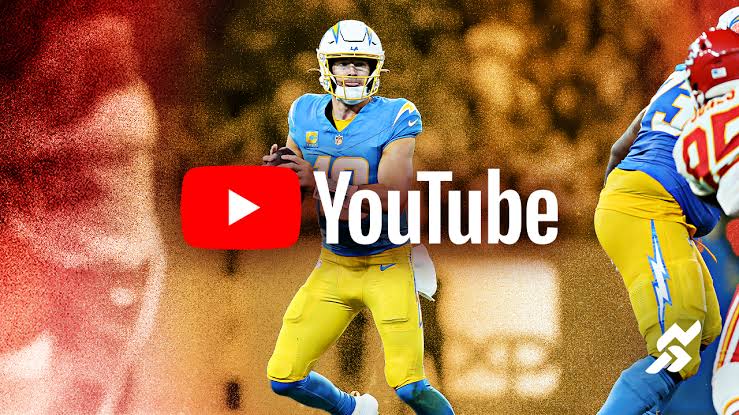
Think about the last time you bought something you hadn’t planned to. Maybe it was during a match, your team had just scored, the energy was through the roof, and suddenly that shirt or that travel package felt like the obvious thing to do. Click, purchase complete in seconds.
Why emotion changes the rules
Chances are you were already invested in the moment around it. Context creates what behavioural scientists call a “hot state”, a moment of elevated emotion where decisions happen faster and feel more natural. A product introduced in that state lands differently to the same product on a static page. It’s not manipulation. It’s alignment. You’re meeting people where they already are emotionally, rather than trying to drag them there with a discount.
This is why story consistently outperforms price as a purchase trigger in live environments. When you lead with why something matters before you tell people what it costs, you’re giving them a reason to care that isn’t about money. And people who care about something beyond the price are better customers. They’re more satisfied, they come back more often, and they’re significantly less likely to feel buyer’s remorse. We’ve all been there.

How to make this work for your brand
Scroll through the live commerce brands actually converting and you’ll notice something. They’re not leading with the deal. The moment comes first, and the sale follows naturally from there. These are the brands that understand the moment itself is the product.
They build emotional intensity before introducing an offer. Real scarcity replaces manufactured urgency, because a genuine “only 10 left” feels completely different to a countdown timer that resets. Genuine social proof does its job quietly rather than flooding the chat with fake activity. And they make it as easy as possible to act when the moment arrives, because the window is short.
None of this requires a bigger budget or a better product. It requires a better story. Before you go live, ask yourself what the narrative actually is. Not “we’re selling a limited edition hoodie.” Think about the moment around it. Who made it and why? What does owning it mean to the person watching? Is there a reveal, a challenge, a reason to be there right now rather than buying it tomorrow on the website? Find that, and you’ve got something to build around. The product is almost secondary.
Do that well, and you won’t need the countdown timer.
Curious about the full picture? We ran the research. Download The Impulse Lab.
Frequently asked questions
What is contextual commerce? It’s the practice of presenting a purchase opportunity within a relevant, emotionally engaging moment rather than on a standalone product page. In a live shopping environment, this means introducing a product when the audience is already invested in what’s happening, making the purchase feel natural rather than interruptive.
Why do people buy things they didn’t plan to during live streams? Live streams create what behavioural scientists call a “hot state”: a moment of elevated emotion where decisions happen faster and feel more instinctive. When someone is already emotionally engaged with what they’re watching, they’re not in rational evaluation mode. A product introduced at the right moment in that state lands very differently to the same product on a static page.
Does leading with story really outperform leading with a discount in live commerce? Yes. Research from The Impulse Lab found that audiences who are led with story before an offer are 47% more likely to buy. Story-driven buyers also report significantly higher post-purchase satisfaction than discount-driven buyers, who show the lowest satisfaction of any segment.
What’s the difference between genuine scarcity and manufactured urgency in live shopping? Genuine scarcity is tied to reality: a product that actually has limited stock, or a moment that only exists during a live stream. Manufactured urgency uses tactics like countdown timers that reset or artificial stock counters to simulate pressure. Audiences recognise the difference, and manufactured urgency damages trust rather than driving conversion.
Why don’t countdown timers work in live commerce? Countdown timers ranked dead last as a purchase trigger in Impulse Lab research. Buyers want to feel confident and engaged at the moment of purchase, not rushed or pressured. The emotional state that precedes a live commerce conversion is closer to enthusiasm than panic.
How does social proof influence live shopping behaviour? 63% of live buyers are influenced by the presence of others, but for most that influence is subtle. Visible participation, genuine chat activity, and real purchase notifications reduce uncertainty and validate a decision that’s already forming. Manufactured social proof, such as fake activity in the chat, is spotted quickly and undermines trust.
What makes a live shopping moment actually convert? Five factors need to align: emotional intensity, scarcity clarity, narrative depth, social proof, and ease of action. When all five are present, live commerce converts at rates that significantly outperform traditional ecommerce. When any one of them is missing, the moment loses its power.
The full framework is available in The Impulse Lab, free to download at dizplai.com.
Ready to stop relying on the countdown timer? Let’s talk