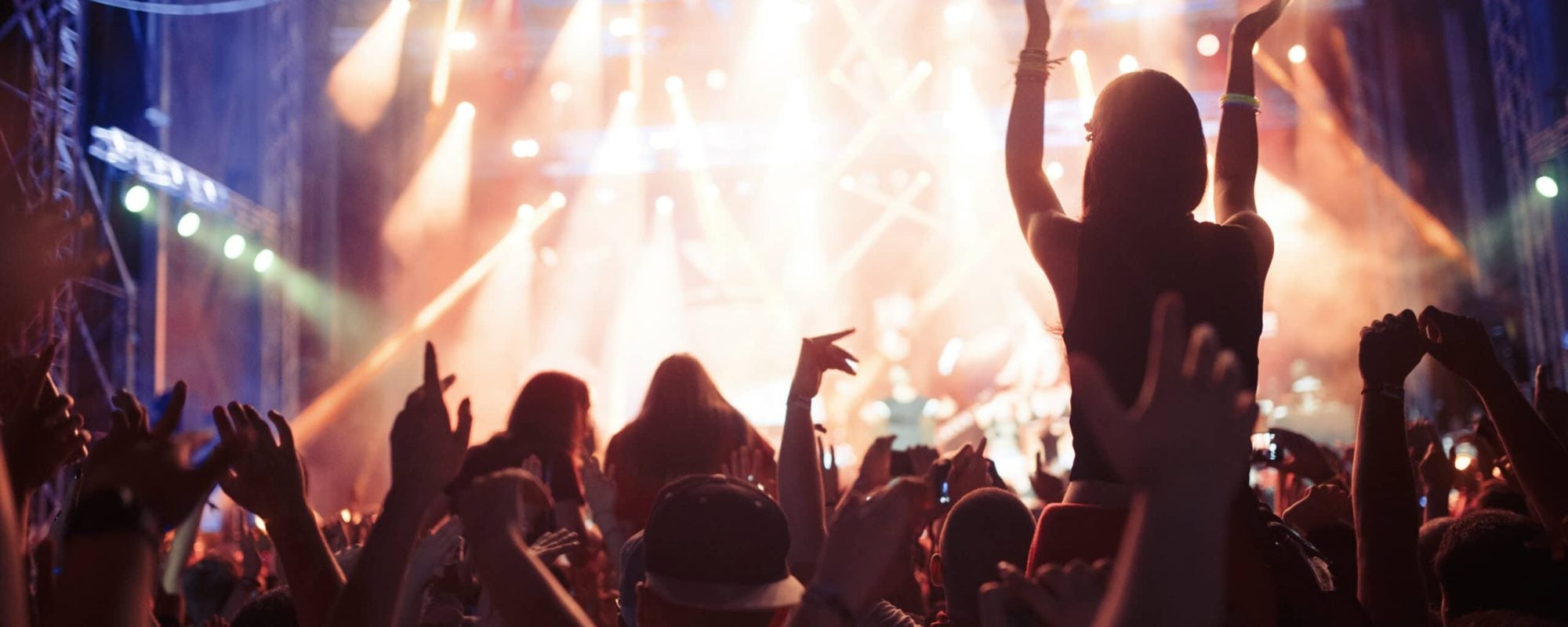
Last weekend, Justin Bieber headlined Coachella with a laptop and a Wi-Fi connection. No dancers, no elaborate set design. He sat on a stool, opened YouTube, and played his old songs back to 90,000 people for 25 minutes.
The internet called it the worst performance in Coachella history. Katy Perry, watching from the crowd, quipped that she was relieved he had YouTube Premium so nobody had to sit through the ads.
What it actually was, was a glimpse of something bigger.
While Bieber streamed YouTube to his crowd, YouTube was streaming that same crowd back to the world. A live loop of content and community, completely unplanned, with no infrastructure to capture any of it. And those 90,000 people were completely rapt.
What strikes me commercially isn’t a criticism of Bieber. Stripping a Coachella headline set back to a laptop and a room full of shared memories takes a certain confidence. What the moment revealed is what people actually want from live experiences. They want to feel like they’re inside the story, not watching it from a distance. He gave them that, with the most minimal setup imaginable. Just a direct connection built around content his audience already loved.
Now think about what that moment could have been worth with the right tools in place. The crowd voting for the next song. Sponsors seeing, in real time, exactly where emotional engagement was peaking. Brands knowing which moment had just shifted 40,000 people from passive viewers to active participants. Data captured in the room, not pieced together from clips and memes the morning after when the moment has already moved on.

This is exactly what’s possible when you build for it.
At Dizplai, this is the gap we build for. Real-time audience engagement tools that feed live insight directly back into the commercial decisions that matter, because the window between a fan feeling something and acting on it is very short. Most organisations aren’t set up to catch it when it opens, which means they’re not set up to monetise it either.
Bieber had 90,000 people in the palm of his hand and a MacBook between them. Most brands have far better tools available to them. Build audience engagement into your live experience from the start and those moments stop being memories. They become revenue.
Are you set up to catch them when they happen?
Frequently asked questions
What is real-time audience engagement at live events? Giving people ways to participate in a live experience as it happens, through live polls, reaction tools, voting, and interactive moments, rather than watching passively. The data generated tells you what your audience is feeling in the moment, not after the fact.
Why does live audience data matter commercially? The window between a fan feeling something and acting on it is very short. Data captured during a live event is far more valuable than anything reconstructed afterwards, because it reflects genuine, in-the-moment intent. For sponsors and rights holders, that translates directly into better targeting, stronger commercial conversations, and new revenue opportunities.
How can brands and sponsors benefit from live audience engagement tools? When real-time engagement is built into a live experience, sponsors can see exactly where emotional peaks are happening and align their presence accordingly. Instead of buying exposure, they’re buying relevance at the moment it matters most.
What kinds of events can use real-time audience engagement? Any live experience where an audience is present, physically or digitally. Sports events, music festivals, brand activations, live broadcasts, and hybrid events can all be designed to capture and act on audience behaviour as it happens.
The way audiences engage with live experiences is changing faster than the infrastructure built around them. If you’re thinking about how to close that gap, we’ve been working on exactly this. Get in touch