
Open any live commerce playbook and you’ll find the same advice: create urgency, run countdown timers, flash SELLING OUT FAST across the screen. Do what you can to manufacture the moment of panic that tips a viewer into a buyer.
It’s become so embedded in live stream shopping that most brands treat it as fact rather than strategy. The problem is, the more recent data says it doesn’t work.
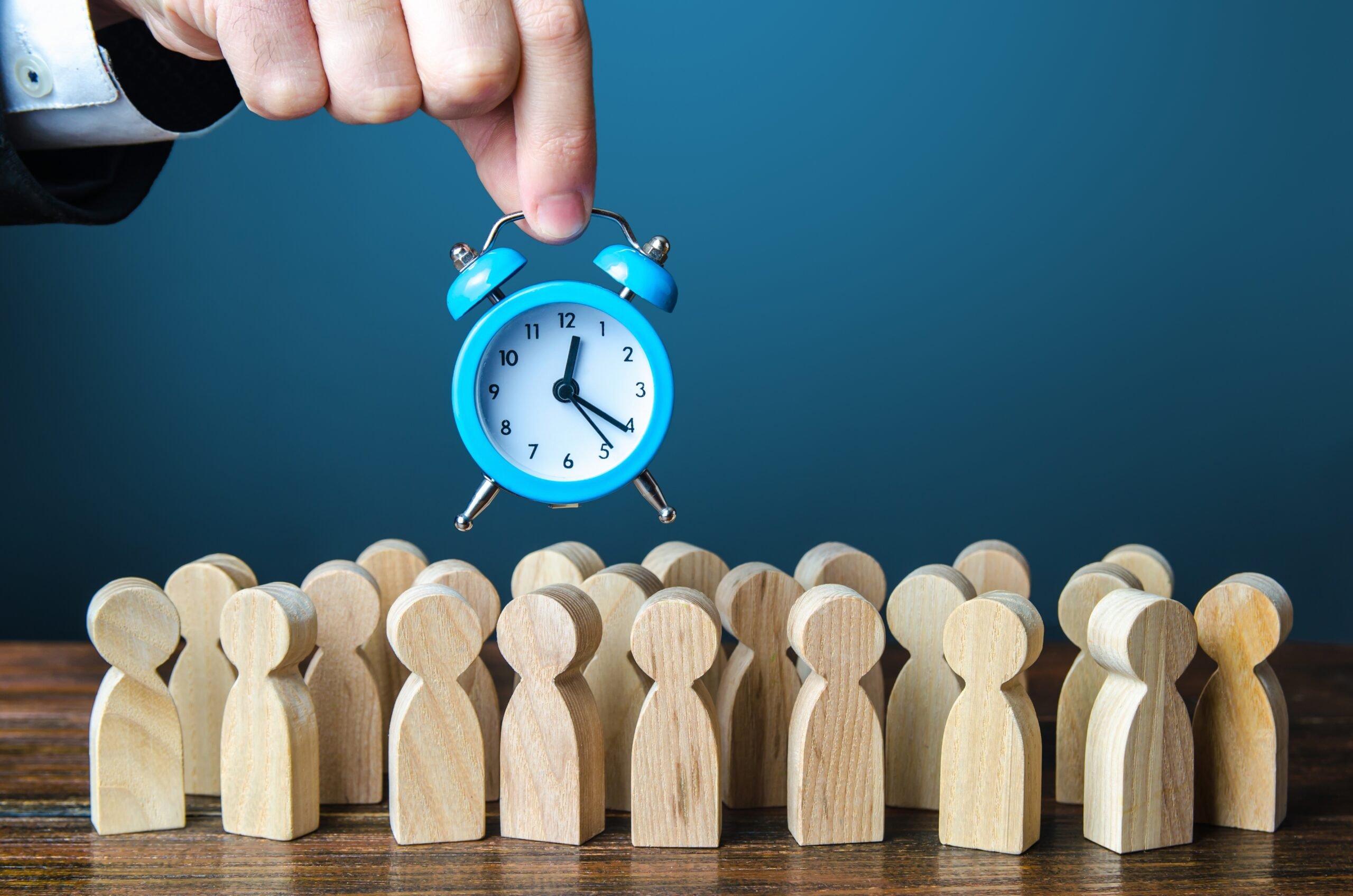
When we surveyed live shopping audiences about what actually triggers a purchase, countdown timers ranked dead last. And yet they’re still running on streams across TikTok Shop, Instagram, and dozens of branded live shopping events every day.
So where did this idea come from, and why won’t it die?
Where the urgency myth came from
The obsession with manufactured urgency has a logical origin. Scarcity marketing is a real psychological principle. When something is genuinely limited, people want it more. Economists call it scarcity value. Behavioural scientists call it loss aversion. Marketers popped it into their playbook and ran it into the ground.
The problem is the leap from genuine scarcity to manufactured urgency. Countdown timers, artificial stock limits, and bots flooding a chat with fake purchase notifications are all attempts to simulate the psychological conditions of real scarcity without actually creating them.
Early live commerce in China, where the format first scaled, used high-pressure tactics because the audiences were new to the format and the novelty carried the conversion. Western brands copied the mechanics without understanding the context. And because live commerce was growing regardless, nobody looked too hard at whether the urgency tactics were actually working or whether the format itself was doing the heavy lifting.
They were never the same thing. And the data is now catching up.
What the data actually shows
When we asked live shopping audiences how they felt at the moment they decided to buy, the results were clear.
‘Confident and engaged’ ranked top. ‘Rushed or pressured’ ranked last.
People don’t buy because they were scared into it. They buy because you convinced them it was a good idea. The emotional state that precedes a purchase in live stream shopping is closer to enthusiasm than panic, closer to clarity than anxiety.
This fundamentally changes how you should be thinking about conversion in a live commerce context. If your stream is designed to make people feel rushed, you’re actively working against the emotional conditions that lead to a sale.
The brands using countdown timers aren’t just wasting their time. They’re creating the wrong atmosphere entirely, one that pushes the 60% of persuadable viewers, the ones who would buy if the moment felt right, straight back to passive watching.
Manufactured versus genuine urgency
Not all urgency is equal and the distinction matters.
Manufactured urgency is artificial by design. A countdown timer that resets when it hits zero. A stock counter that never moves. Bots generating fake purchase notifications in a chat. Audiences spot this immediately, and when they do, trust collapses. You haven’t just lost the sale, you’ve lost the viewer’s confidence in everything else you’re saying.
Genuine urgency comes from the moment itself. In scarcity marketing terms, it’s the difference between simulating a limit and actually having one. The most powerful form of scarcity in live commerce isn’t a timer. It’s the exclusivity of being present when something happens. A product revealed for the first time. A collaboration announced live. A limited run that genuinely exists and visibly sells down in real time. These aren’t manufactured. They’re real, and audiences respond to them very differently.
The window where emotional intensity is high and action feels natural is a genuine phenomenon in live shopping. The mistake is trying to force it with a graphic rather than creating the conditions for it to happen organically.

Social proof done right
The alternative to manufactured hysteria is something subtler and significantly more effective.
63% of live commerce buyers told us that the presence of others influenced their decision to purchase. But only 1% said social proof was their primary reason to buy. For the vast majority, it was a nudge, not a shove.
Social proof in a live context works by reducing uncertainty. Seeing other people engage, react, and buy is a quiet signal that this moment is legitimate and worth participating in. It validates a decision that was already forming rather than forcing one that wasn’t.
This is the mechanics that TikTok Shop and WhatNot have built into their platforms naturally. On WhatNot, you can see live bid counts, active viewers, and real community reactions in real time. Nobody’s faking the room. The participation is genuine, and nuanced, and it shows. TikTok Shop’s social commerce infrastructure does the same thing at scale, making visible engagement the default rather than something that needs to be engineered.
One is community momentum, the other is theatre. And audiences know which one they’re watching.
Genuine social proof in live stream shopping means making real participation visible. Live reaction counts. Authentic chat activity. Actual purchase notifications when they happen. The goal isn’t to create the impression of a crowd. It’s to let the crowd that’s already there be seen.
The shift
This doesn’t mean you have to choose between the story and a discount. But understanding that one gets you a sale and the other gets you a customer changes everything. Live shopping works because it creates a completely different buying environment. One where people are already emotionally invested, already gathered, already engaged. In those moments, they buy differently.
The brands winning at social commerce aren’t manufacturing urgency with countdown timers that nobody trusts. They’re not in a race towards the lowest price. They’re creating moments worth participating in and are pulling all five levers at once – leading with the story.
Confidence converts better than panic
The brands winning at live commerce are creating moments worth participating in.
That shift in framing changes how you approach a live stream. Instead of asking how to make people feel like they’ll miss out, you ask how to make people feel like being there is genuinely worth their time. The answer involves emotional intensity, real narrative, authentic social proof, and removing every barrier between interest and purchase.
Countdown timers don’t appear anywhere in that list. Because confidence converts better than panic. Every time.
Our latest report, The Impulse Lab, breaks down the full psychology behind what actually drives live commerce conversion, including the five conditions that need to align before a live moment will convert, and what to do when they don’t.
Ready to turn your passive audience into an active community? Get in touch