Key insights
- By 2030, Gen Z will control $12 trillion in global spending power. They’re not the consumers of tomorrow; they’re spending serious money now.
- Close to one in three Gen Z viewers never watch traditional TV. Only 36% watch two or more hours daily, compared to 73% of boomers.
- 83% of Gen Z use TikTok every single day, and 92% use YouTube monthly, spending an average of 76 minutes there per session.
- 77% of Gen Z made a purchase influenced by social media in the last six months, making fan engagement on owned and social channels a direct commercial lever.
- 81% of Gen Z worry about how their data is used and only 14% fully trust social platforms with it, which makes first-party data collected through genuine value exchange far more reliable than third-party social metrics.
If your content strategy still revolves around broadcast schedules and ad breaks, you’ve already lost Gen Z. And that matters more than you think.
By 2030, this generation will control $12 trillion in global spending power. They’re not the consumers of tomorrow waiting patiently for their turn, they’re spending serious money today, and they’re doing it in ways that would baffle every generation before them.
The numbers are stark: close to one in three Gen Z viewers never watch traditional TV. Only 36% watch two or more hours of telly daily (boomers? 73%). They’ve cut the cord.
So where did they go?
They’re on social. But not how you think.
81% of Gen Z spend at least an hour daily on social platforms. Half of them clock over three hours. But they’re not passively scrolling through feeds like we did with Facebook in 2010. They’re creating, commenting, shopping, and discovering the content that shapes what they’ll watch, buy, and talk about next.
The platform breakdown:
TikTok dominates daily engagement with 83% using it every single day. It’s not just entertainment anymore. Nearly 1 in 10 Gen Z users now choose TikTok over Google when they’re looking for products or recipes.
YouTube remains the trusted heavyweight, reaching 92% of Gen Z monthly. They’re spending an average of 76 minutes daily on the platform. When they want depth, proper reviews, or to actually understand something? This is where they go. 62% report feeling a genuine connection to YouTube creators—a level of trust most brands would kill for.
Instagram holds steady with 71% weekly engagement and has quietly overtaken millennials to become the platform’s largest user group. With 52.4 million Gen Z users, it’s their go-to for brand interactions—72% use it for customer care.
The story these numbers tell is clear: 43% of Gen Z now prefer YouTube and TikTok over traditional TV and streaming services. They’re not coming back to broadcast schedules.
Social is where they shop and where monetisation happens
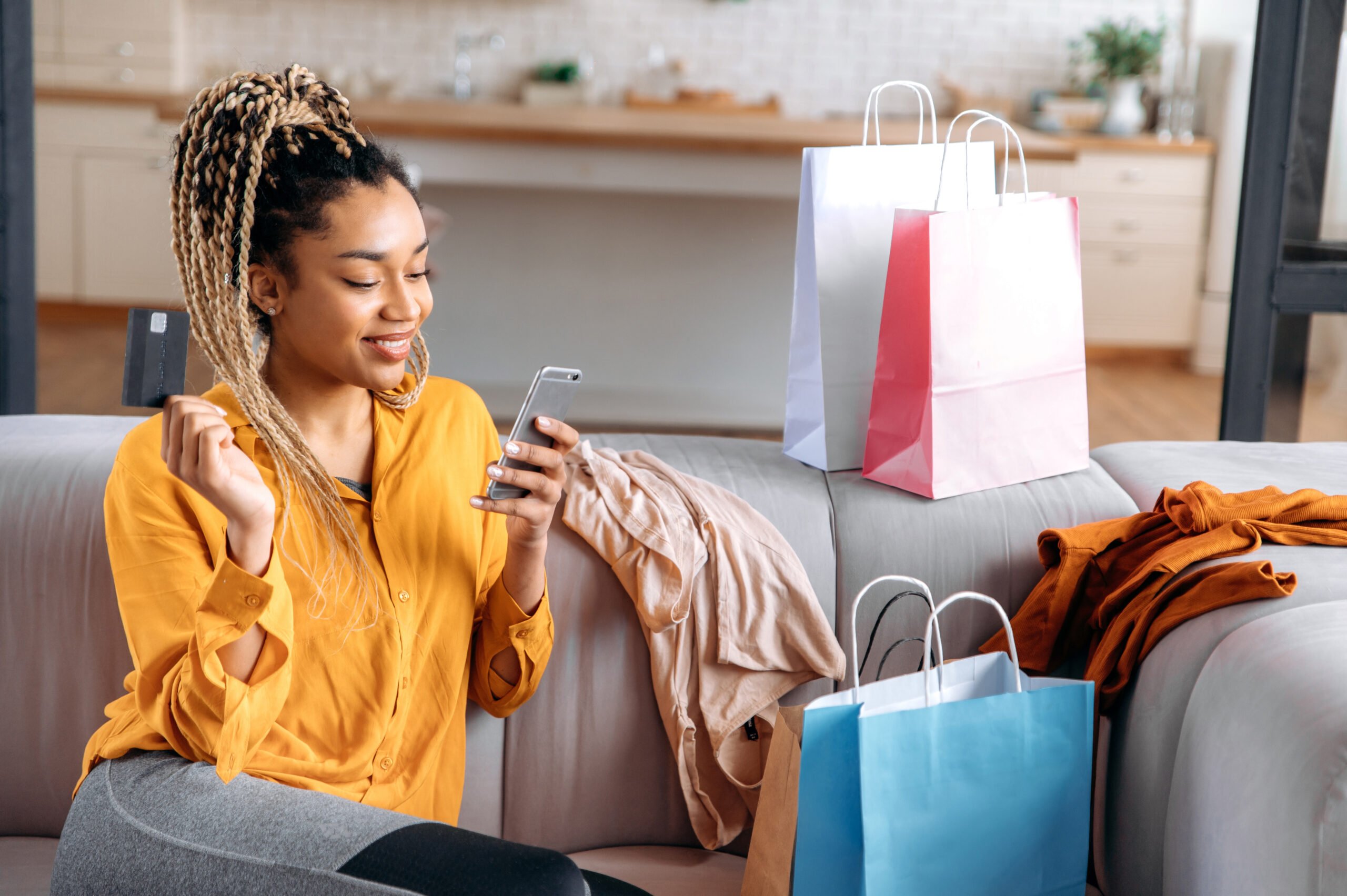
77% of Gen Z made a purchase influenced by social media within the last six months. These platforms aren’t just discovery channels anymore; TikTok Shop and Instagram Shops have become genuine retail destinations.
But they’re also cautious. Despite practically living online, 81% worry about how their data is used, which is exactly why first-party data collected through genuine fan engagement is worth far more than the social metrics that come without it. Only 14% fully trust social platforms with their information. They’re savvy enough to spot when brands are trying to manipulate them, and they’ll walk away without hesitation.
They’re also fierce about brand values. 81% of Gen Z consumers report changing purchasing decisions based on a brand’s reputation or actions, with 53% having participated in economic boycotts. If you claim to care about sustainability or social issues, you’d better actually mean it.
The authenticity paradox
55% of Gen Z disapprove of brands using AI-generated models in advertising. Their reason? Concerns about authenticity.
They want real people, real stories, and content that doesn’t feel like it came from a corporate marketing department. User-generated content is twice as effective with Gen Z as brand-produced studio footage. They’d rather watch a genuine product review from a creator they follow than your slick 30-second spot.
Nearly 40% trust influencers more than they did a year ago. And they’re twice as likely to engage with authentic, lo-fi videos compared to glossy corporate clips. That corporate polish you spent all that money on? It’s working against you.
Passive viewing is dead: Gen Z wants fan engagement
Gen Z doesn’t just want to watch, they want to get involved. Over 43% engage with interactive formats like polls, quizzes, and Q&As. More than 30% actively participate in interactive livestreams, shaping content through live chat, super chats, and direct questions to creators.
They expect content to be shaped by their contributions. Brands that understand this are building communities, not just audiences.
What actually works for Gen Z fan engagement
If you’re still creating content for Gen Z the way you did five years ago, you’re behind. Here’s what works:
Go where they actually are. TikTok, YouTube, Instagram. Not just having a presence because someone said you should, but understanding how each platform works and what Gen Z expects from content there.
Ditch the corporate polish. Authenticity beats production value every time. Gen Z can smell fakery from miles away. That doesn’t mean your content should be sloppy, it means it should feel real.
Make it interactive. Give them ways to participate, contribute, and shape what they’re watching. Static content gets lost in the scroll.
Work with creators, not just celebrities. Micro-influencers with 10,000-100,000 followers are trusted more than major celebrities by 70% of people. They’re experts in their niches and relatable in a way traditional stars aren’t.
Respect their intelligence. They’re pragmatic, data-driven, and won’t be swayed by empty promises. They do their research. They check your supply chain. They remember when you said one thing and did another.
Where this is all heading
Gen Z isn’t just another demographic to target with a tweaked version of your millennial strategy. They’re showing us where all consumer behaviour is heading. The patterns they’re establishing now will shape how everyone consumes content and makes purchasing decisions in five years.
You can either figure out how to reach them authentically, or you can keep optimising your traditional TV spots and wondering why the numbers keep dropping.
Writing all this made me feel old. I’m going back to rewatching The Sopranos. Have a good day all, hope you found this as insightful as I did writing it.
FAQs
Gen Z grew up with on-demand content, short-form video, and creator-led platforms that let them choose what they watch and when. Traditional broadcast schedules and ad-heavy formats feel like poor value compared to YouTube, TikTok, and streaming services where they control the experience. For sports organisations and media networks, this means the audience is still there but the channel they’re waiting on isn’t.
TikTok leads for daily engagement (83% use it every day), YouTube leads for depth and trust (92% use it monthly, averaging 76 minutes per session), and Instagram holds steady for brand interaction and social commerce. The practical implication for fan engagement strategies is that each platform serves a different purpose in Gen Z’s media diet, so showing up identically across all three misses how they actually use them.
The starting point is interactivity. Over 43% of Gen Z engage with polls, quizzes, and Q&As, and more than 30% actively participate in interactive livestreams. Giving Gen Z fans a way to contribute to, shape, and influence content creates the sense of belonging they’re looking for. Authentic creator partnerships, user-generated content, and owned community spaces all outperform traditional broadcast-style content with this audience.
Gen Z is more data-aware than any previous generation: 81% are concerned about how their data is used and only 14% fully trust social platforms. This makes the value exchange more important than ever. Sports organisations that offer something genuinely meaningful in return for fan data, whether that’s access, personalisation, or community status, will capture better first-party data than those relying on passive tracking or third-party social metrics.
77% of Gen Z made a purchase influenced by social media in the last six months. Their comfort with TikTok Shop, Instagram Shops, and QR-based payment links creates a direct route from fan engagement to revenue, particularly for sports organisations with live events and merchandise. The key is removing friction at the point of purchase and reaching Gen Z fans through the creators and communities they already trust.
Ready to turn your passive audience into an active community? Get in touch and let’s talk about what engaging Gen Z actually looks like for your content.