
On the surface, everyone’s struggling with the same problem.
As we discovered in our recent Anonymous Fan Index, top-tier leagues and challenger federations both only know about 24% of their fanbase. Both rely heavily on broadcasting and sponsorship revenue. Both sit mostly in “developing” fan data maturity, with very few claiming to be advanced.
So the playing field looks level. But dig deeper, and a pattern emerges that changes everything.
Why size doesn’t mean anything
Scale used to be the only advantage that mattered. Massive broadcast reach, millions of social followers, and sponsorship deals built on sheer audience size.
But 87% of sports organisations now face moderate to high pressure from sponsors to deliver measurable fan engagement data. They are asking for proof rather than just impressions. And 60% say at least a quarter of their sponsorship renewals are now tied to digital engagement or first-party fan data.
When brands start demanding attribution instead of reach, the old advantages crumble. You can’t coast on follower counts when sponsors want to know who engaged, for how long, and what they did next.
That’s where the gap appears.

The underdog advantage: Building first-party data infrastructure
35% of underdog sports organisations say more than half of their sponsorship renewals depend on engagement delivery and first-party data.
Giants in the same sample reckon it’s 0% in that majority band.
Why the difference?
Underdogs can’t sell rights packages on scale alone. They’ve never had the luxury of coasting on reach, so they leaned into what they could control: building direct relationships with fans, capturing first-party data, and proving engagement.
That pressure forced them to build infrastructure the giants are only now realising they need.
The giant’s vulnerability: Reach without relationships
The huge reach of major leagues means nothing if they can’t identify the people behind the numbers.
Broadcast delivers millions of viewers. Social platforms deliver massive impressions. But when the final whistle blows, giants are left with the same problem as everyone else: 76% of their fans remain anonymous.
Underdogs already know how to talk to sponsors about engagement, conversion rates, and community. They’ve been doing it for years because they had no other choice.
Giants are still learning that language. And sponsors aren’t waiting around.

First-party data as the new competitive advantage
The sponsorship reckoning is here. Brands want proof that fans actually engaged. They want first-party data showing who watched, what actions they took, and whether the partnership delivered measurable outcomes.
When that’s the metric, who’s better positioned?
The underdog who’s been capturing emails, building loyalty programmes, and tracking engagement through owned channels for years? Or the giant who optimised for broadcast reach and social impressions?
What the giants can learn from underdogs
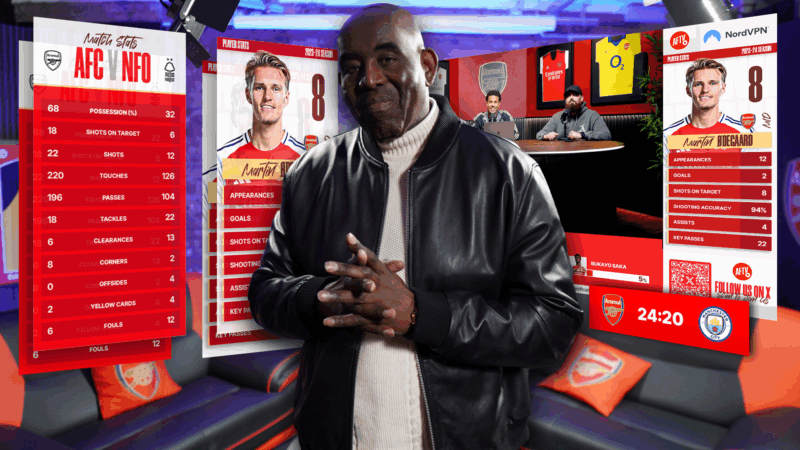
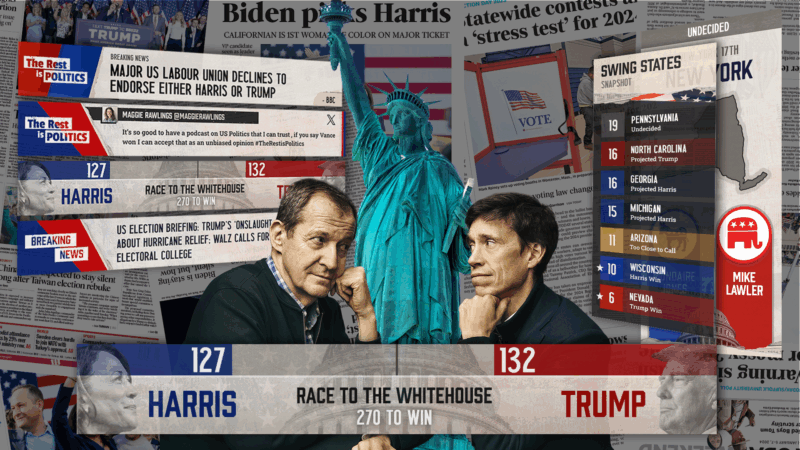
The good news is that data infrastructure can be built. Interactive broadcast overlays, QR codes that drive fans to owned apps, live polling during matches. These tools exist at scale now.
The question is agility. Can you move fast enough to build the relationships sponsors now demand?
Underdogs proved that size doesn’t matter when it comes to first-party data strategy. What matters is whether you’re willing to prioritise engagement over reach, relationships over impressions, and owned audiences over rented platforms.
The playing field is levelling. But not because giants are shrinking. Because challengers built what actually matters.
Ready to see where you stand? Download the Anonymous Fan Index to benchmark your first-party data maturity against the industry.
Get 100 practical tactics in our ultimate guide to convert anonymous fans into known, monetisable communities.