
New year, same question about digital engagement: how do you get your content to stand out when everyone’s streaming, everyone’s got an opinion, and everyone’s fighting for the same viewers?
Here’s what we think: whatever scale you’re operating at, 2026 is the year to get smart about what you’ve got. If you have access to data, use it to tell a story that challenges the status quo. If you don’t, what resources do you have to build a narrative?
It’s like what World Archery did during the Olympics. Without their usual broadcast footage due to rights restrictions, we built them a target face graphic that doubled as their scoring entry system, bringing the action into their YouTube watch parties in a way that felt fresh and innovative.
Constraints don’t have to hold you back. They can fuel creativity.
Mark Clifford, our Director of Product and Innovation, and Sophie Hammer, Head of Product Platform, have put together five resolutions that flip the script on live broadcasting. They’re not asking you to spend more, they’re simply suggesting you think differently.
Resolution 1: Think in phases, not fixtures
A 90-minute match isn’t a 90-minute opportunity, it’s a three-day one (at least).
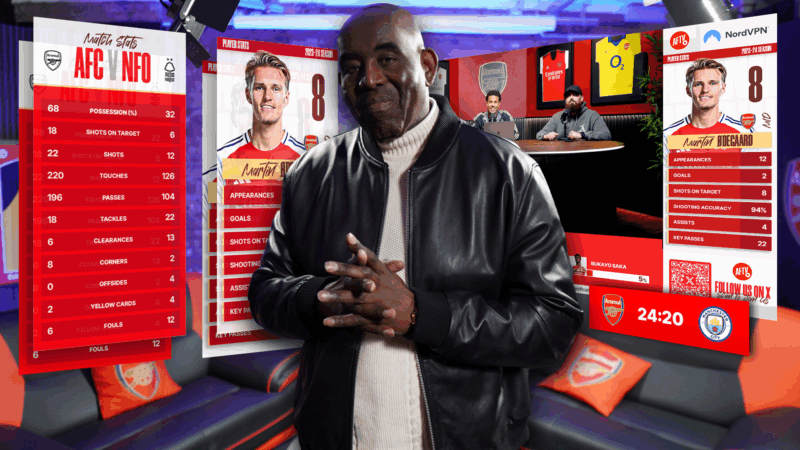
Don’t just plan around the kick-off and final whistle, build digital engagement before the event with things like predictions, lineup debates, and fan polls. Maximise interaction during the match with live commerce opportunities and interactive graphics. Extend the conversation after with reactions, highlights, and what-if scenarios.
The brands winning in live content treat the fixture as the centrepiece of a longer engagement arc, not the whole story. Pre-event hype, in-the-moment participation, post-match analysis, that’s your full canvas.

Resolution 2: Make your limitations work for you
Innovation thrives when resources are tight.
If you’re not a rights holder, and are lacking official sports data or licensed imagery, don’t try to mimic the incumbents. Out-manoeuvre them instead. Lean into your underdog status by creating a raw, authentic visual identity and a tone of voice that mainstream broadcasters are too corporate to touch.
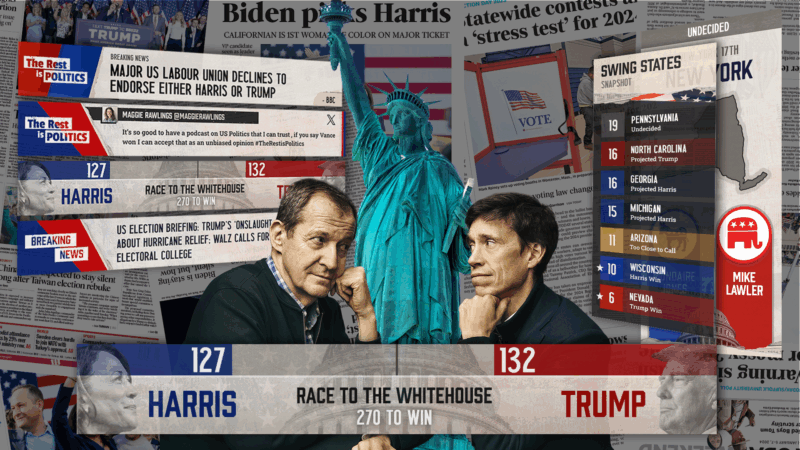
Use your lack of polish as a signal of authenticity. When you can’t compete on access, compete on perspective and community-first utility. That’s what we did with The Rest is Politics podcast when they covered the US election coverage (no polling or result data feeds). It’s about finding creative ways to tell the story.
Resolution 3: Make your audience the co-creator
The era of broadcast-style live content is all but over.
Build interactivity into every stream in the form of polls, real-time Q&A, chat-driven decisions, and other user-generated content that shapes the narrative. When audiences co-create the experience, they’re invested in it. And invested audiences stick around (and crucially, spend).
This isn’t just about keeping people entertained. It’s about turning passive watch time into active participation. Interactive media transforms viewers into contributors. Brand activations become collaborative moments. Sponsored content stops feeling like an interruption and starts feeling like part of the conversation.

Resolution 4: Stop building on rented land
Social platforms provide reach, but offer zero stability.
Algorithms change, habits shift, and your audience remains an anonymous data point on someone else’s balance sheet. In 2026, start prioritising your owned ecosystem. Migrate your community into a dedicated web app or second-screen environment.
Move from fleeting impressions to addressable users. Own the data, own the relationship, and build a durable loyalty loop that no algorithm can pull the rug out from under. The major social platforms have pulled back on referrals, search is shifting to zero-click answers, and if you don’t have a direct connection to your audience, you don’t have much of a future.
This is how you capture first-party data from digital engagement that actually means something. Think fan preferences, behaviours and purchasing intent, not just cookie crumbs that are disappearing anyway.
Resolution 5: Treat data as a narrative engine, not a footnote
If your use of data is limited to static lineups, league tables, or score tickers, you’re not providing insight, you’re simply repeating what a hundred other bots have already spewed out.
Stop showing what happened. Show why it matters.
Instead of just displaying a player’s stats, show me the X-ray vision of why they’re failing in the final third. Use your data integration platform to build a layer of proprietary insight that challenges the mainstream narrative. Layer in interactive graphics that let fans explore the story themselves.
Data shouldn’t be a table your audience has to read. It should be a story they can’t ignore. If your data doesn’t provoke an opinion, it’s just noise.
These five resolutions share a common thread: they’re about using what you already have more intelligently.
You don’t necessarily need bigger budgets or better rights deals to create moments worth staying for. You need to think differently about the phases of digital engagement, productise your constraints, turn audiences into co-creators, own your ecosystem, and make data tell a story people actually care about.
The broadcasters who’ll win in 2026 aren’t the ones with the most resources. They’re the ones who turn limitations into advantages, passive viewers into active participants, and fleeting moments into lasting communities.
It’s time to get creative.