Brands and publishers that build active communities rather than passive audiences show 37% higher retention and 26% higher lifetime value. The difference between the two often comes down to one thing: what happens after the main event.
A show like The Great British Bake Off doesn’t build its most loyal audience during the show. It builds it on ‘An Extra Slice’, the broadcast afterwards. That’s where the proper die-hard fans gather to enjoy a laugh and a much deeper conversation.
The main programme creates emotional investment: the personalities, the drama, the soggy bottoms. But it’s the companion show where the audience processes all of it, argues about who deserved to go home, and gets the insider debrief from the people who were actually there. By the time you’ve watched both, you’re not just a viewer. You’re part of a community with opinions, predictions, and a genuine stake in what happens next week.
The Traitors does the same thing with Uncloaked. Survivor has been running reunion specials and after-show formats for years. In the US, The Bachelor franchise built an entire extended universe on this model, with After the Final Rose pulling audiences who’d already invested hours in the main series and wanted more. The Talking Dead turned The Walking Dead’s viewership into a weekly conversation.
The main event is the hook. The follow-up show is where loyalty gets built.
Why publishers are missing the follow-up opportunity
Publishers covering live moments have started to get this. Live blogs that run beyond the final whistle, post-event analysis pieces, behind-the-scenes access for the readers who want more than the headline. The infrastructure is already there. So why aren’t more publishers treating the companion format as a deliberate revenue strategy rather than an afterthought?
In practice, your live coverage lands well enough. But when the moment passes, your audience disperses, and the next time a big event comes around you’re rebuilding the same room from scratch.
But what if the follow-up was part of the plan from the beginning?
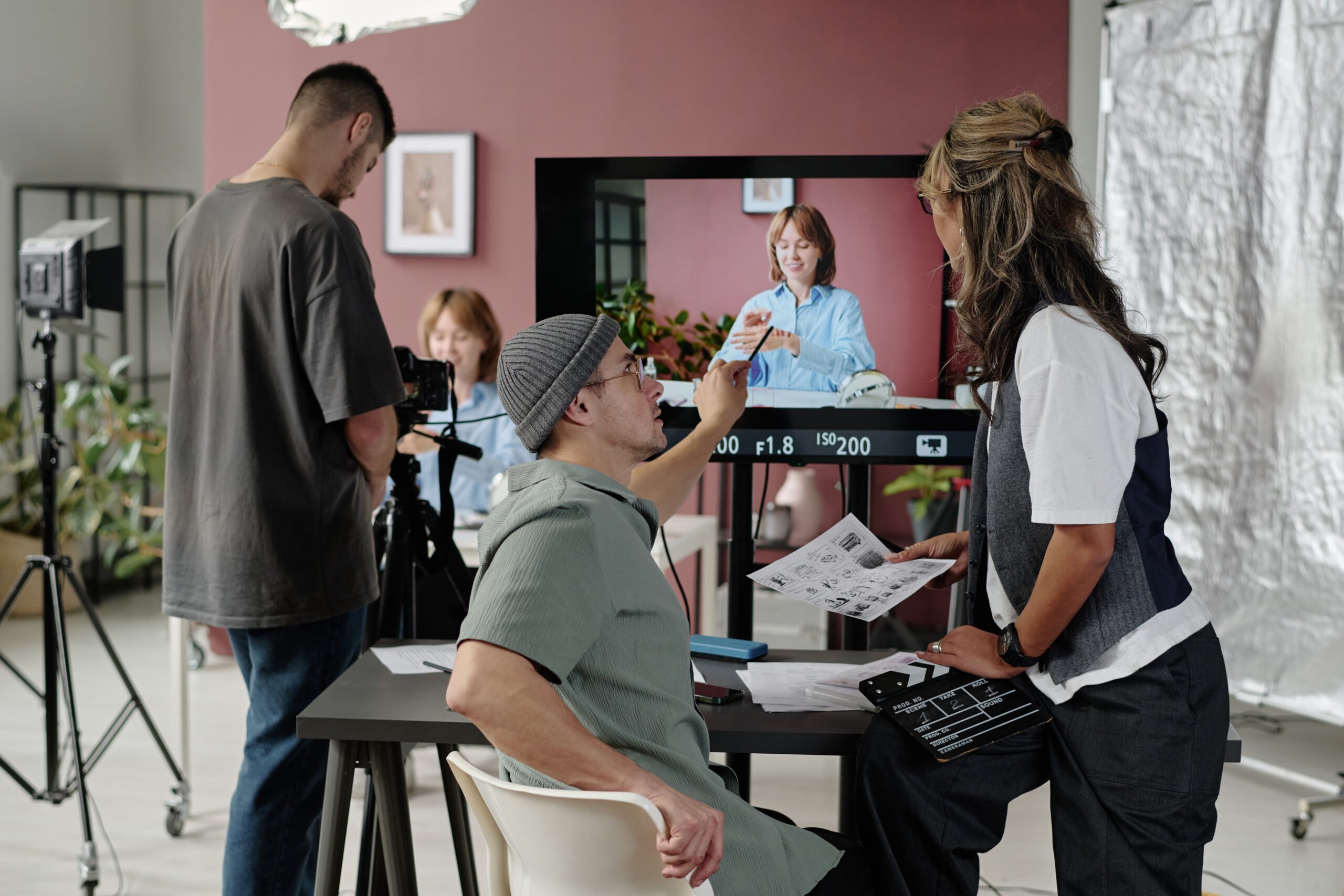
How to turn one-off coverage into a serialised relationship
A companion show format for live coverage doesn’t need to be any more complicated than a short debrief after the main event. A behind-the-scenes look at how the story came together. A return to the audience’s predictions from last time: did they get it right? What changed? What’s coming next?
When you go back to something your audience predicted, you’re confirming that their opinion mattered. You’re acknowledging that you noticed, and that they came back. That transforms one-off coverage into a serialised relationship, and that’s where loyalty actually lives.
The companion format is one of the most straightforward ways to build that kind of community, because it gives people a reason to come back. The main event creates the moment. The companion show creates the habit.
If you’re thinking seriously about how to monetise the moments your audience is already invested in, we’ve broken down exactly how to do it. Harness the Hype: how to monetise the news moment of the year covers the full strategy, and our companion guide How to sell live moments gives you the practical framework to put it into action. Both are free to download, because the content shouldn’t end at the credits.
Download our Harness The Hype report if you’re tired of watching the conversation happen somewhere else.
Ready to turn your passive audience into an active community? Get in touch