
Key insights
- 62% of sports organisations are losing over $100,000 annually because fans remain anonymous to them.
- 87% face pressure from sponsors to prove fan engagement, not just deliver impressions, and most cannot currently do so.
- The 90-day plan doesn’t solve fan anonymity completely. It builds the foundation: baseline metrics, one conversion mechanism, a reframed sponsorship conversation, and a functioning membership tier.
- First-party data capture doesn’t require complex technology to start. The organisations making the most progress begin with one high-reach, low-data channel and build a single conversion bridge.
- Fan monetisation starts with identity. Every known fan is a commercial relationship waiting to happen. Every anonymous one is revenue you can’t access.
You can’t fix fan anonymity overnight. But you can start making measurable progress in only 90 days if you follow this plan.
Most organisations know the problem (and this is what we recently outlined in our Anonymous Fan Index). 62% are losing over $100,000 annually because fans remain anonymous. 87% face pressure from sponsors to prove engagement, not just deliver impressions. And 33% plan to invest in CRM systems in the next 12-24 months to close the gap.
But where do you actually start?
This roadmap is based on what actually works, backed by our research into sports organisations and case studies from AFTV’s 350,000 verified sign-ups, Channel 4’s Crufts interactive broadcast, and PDC’s data-driven sponsorship activations.
Week 1: audit your fan data baseline
You can’t improve what you don’t measure.
Action:
- Calculate what percentage of your total audience you can actually identify (our fan revenue calculator can help with this)
- Map where your richest data lives (67% cite ticketing as their top source, so what’s yours?)
- Identify your highest-reach, lowest-data channel (usually broadcast or social)
Output: A single-page snapshot showing known vs anonymous fans, primary revenue per segment, and your biggest conversion opportunity.

Weeks 2-4: pick your highest-impact fan engagement channel
Rather than trying to fix everything, choose one high-reach, low-data channel and build a bridge.
Action:
- If broadcast is your gap: Add QR codes to drive viewers to owned apps (like PDC’s match day activations)
- If social is your weakness: Gate premium content behind email capture (like AFTV’s member-exclusive interviews)
- If website traffic is anonymous: Launch exit-intent popups offering fixture calendars, wallpapers, or early ticket access
Output: One working conversion mechanism capturing first-party data from your biggest anonymous audience.
Weeks 5-8: reframe your sponsorship conversations around fan engagement data
Stop selling reach. Start selling engagement and first-party data access.
Action:
- Build a sponsor dashboard showing engagement metrics, not just impressions
- Create co-branded activation opportunities that generate fan data (predictions, polls, giveaways)
- Pilot one sponsor integration that proves attribution (like Channel 4’s Crufts interactive dog breed quiz driving 40,000+ engagements)
Output: One sponsor conversation shifted from CPM-based reach to engagement-based outcomes.

Weeks 9-12: test a basic fan membership programme
Membership doesn’t need to be complex. Start with a free tier that captures data in exchange for value.
Action:
- Offer early ticket access, exclusive content, or matchday perks
- Use progressive profiling (ask for name/email first, preferences later)
- Set up automated welcome series and engagement tracking
Output: A functioning membership tier with measurable sign-up and engagement rates.
Ongoing: build fan journeys, not campaigns
The organisations that win don’t run one-off campaigns. They build systems to convert anonymous fans into regular ones.
Action:
- Map the full fan lifecycle: awareness → engagement → conversion → retention
- Identify drop-off points and build bridges (email sequences, app notifications, retargeting)
- Implement behavioural triggers (abandoned cart, dormant fans, high-engagement rewards)
Output: A repeatable system that will convert anonymous fans into known, monetisable community members.
Quick wins checklist
✓ Add email capture to website exit-intent popups
✓ Gate one piece of premium content per month
✓ Include QR codes in broadcast graphics
✓ Launch a free membership tier
✓ Create a sponsor dashboard with engagement metrics
✓ Set up automated welcome email series
Measurement framework
Track these metrics monthly:
- Known fan %: Total identifiable fans / total audience
- Conversion rate: New known fans / total anonymous reach
- Revenue per known fan: Total D2C revenue / known fan count
- Sponsor engagement proof: Activations with measurable fan actions
Technology recommendations
Based on organisations at your stage:
- CRM: Start with HubSpot (free tier) or Salesforce if budget allows
- Email automation: Mailchimp, Klaviyo, or ActiveCampaign
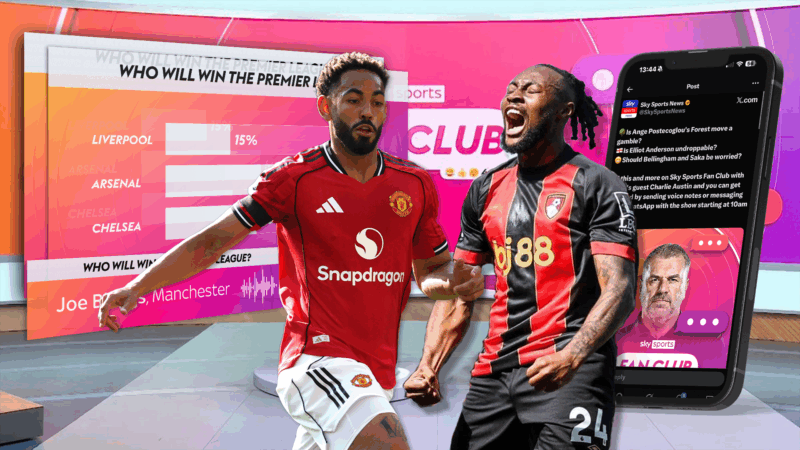
- Interactive engagement: Dizplai for broadcast/live content integration
- Data unification: Segment or mParticle for connecting touchpoints
The 90-day goal isn’t perfection, it’s momentum. By the end of quarter one, you should have:
- Baseline metrics
- One proven conversion mechanism
- A reframed sponsor conversation
- A functioning membership tier
That’s not solving fan anonymity. But it’s measurable progress. And it’s a foundation you can build on.
FAQs
Ninety days is long enough to build something meaningful and short enough to maintain momentum. Within three months a sports organisation can audit its current fan data position, establish one working conversion mechanism, reframe at least one sponsorship conversation around engagement metrics, and launch a basic membership tier. None of those steps requires significant technology investment to start, and each one builds on the last.
The anonymous fan problem is the gap between a sports organisation’s total audience and the proportion of that audience it can actually identify, reach, and build a commercial relationship with. Research by Dizplai found that sports organisations typically know only around 24% of their fanbase. The remaining 76% are anonymous, which means they cannot be retargeted, personalised for, or converted into paying customers or sponsor proof points. The cost of that gap ranges from $100,000 to $5 million a year depending on the size of the organisation.
First-party fan data is information collected directly from fans through your own channels: email addresses, preferences, behaviours, and purchase history. The simplest starting points are email capture on your website, gating one piece of premium content per month, adding QR codes to broadcast graphics, and launching a free membership tier with a clear value exchange. The goal is to give fans a reason to identify themselves rather than remain anonymous.
Sponsors are increasingly moving away from CPM-based deals toward engagement-based outcomes. Rights holders that can show a sponsor a dashboard of fan engagement metrics, participation rates, and first-party data capture volumes are in a fundamentally stronger negotiating position than those presenting reach and impression figures alone. Start by building one co-branded activation that generates measurable fan data, then use that as proof of concept for future conversations.
A free membership tier creates a structured value exchange: fans get early ticket access, exclusive content, or matchday perks, and the organisation gets a name, an email address, and the beginning of a direct relationship. Progressive profiling means you ask for the minimum at sign-up (name and email) and gather more detailed preferences over time as the relationship develops. Done well, a membership programme turns passive anonymous audiences into known, engaged community members who are far easier to monetise.
Download the Anonymous Fan Index+ Ultimate Guide for 100 tactics to accelerate your data strategy and convert anonymous fans into a community you can work with.