The red carpet has always been a carefully controlled and choreographed environment. A network secured the broadcast rights, a professional presenter was deployed, and the moment was owned from first arrival to final interview. For decades the audience watched on a schedule, on a single screen, through a single lens.
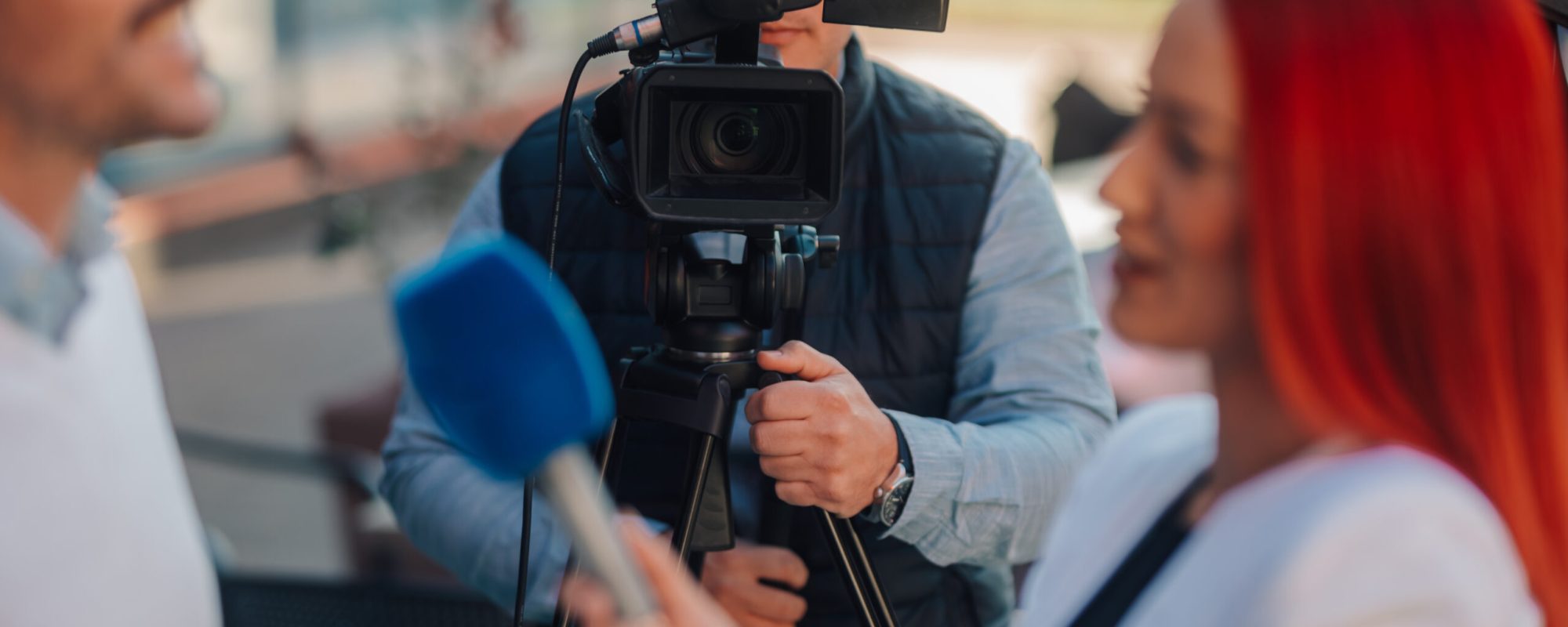
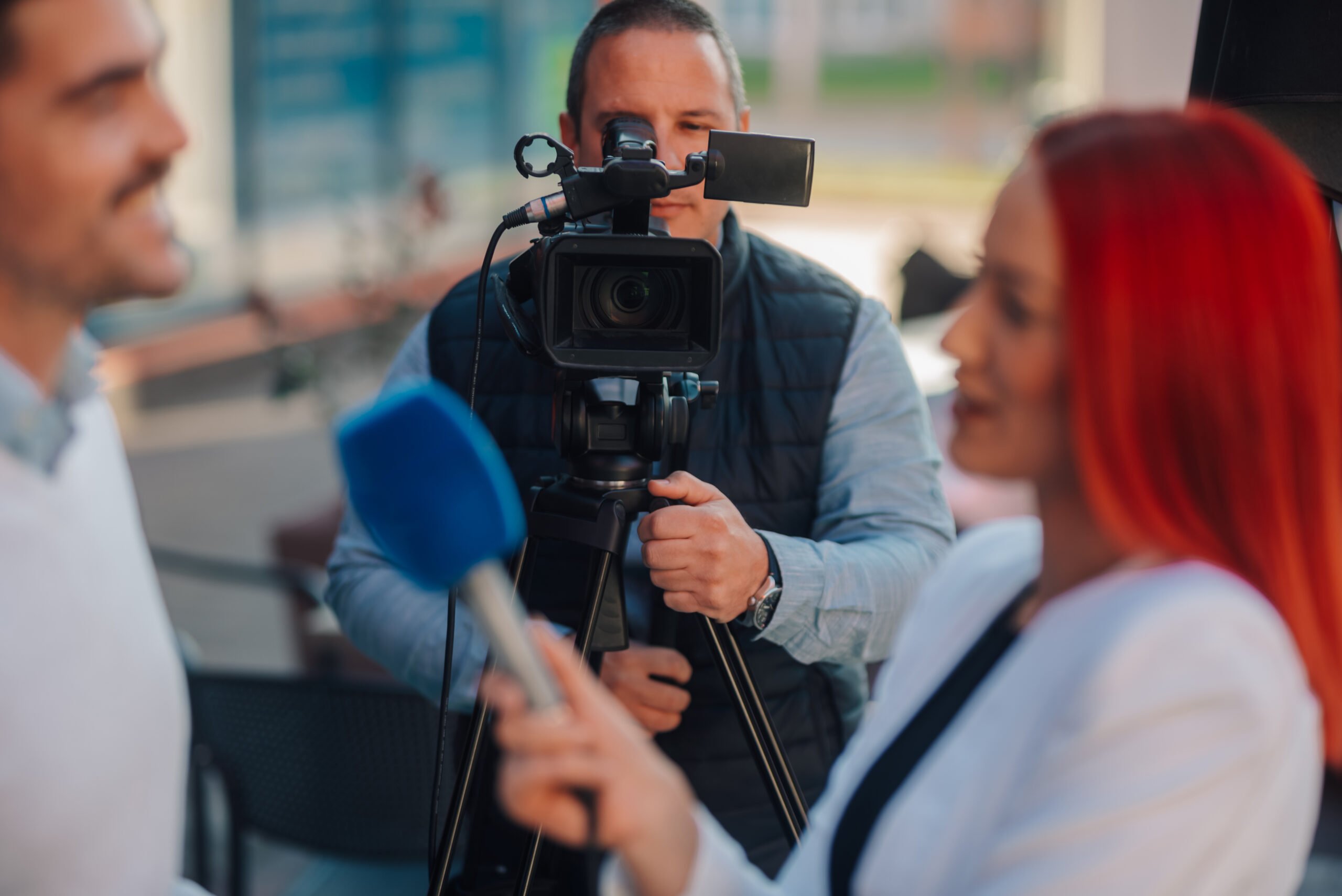
The shift from that model started gradually, then happened all at once. Now you’re just as likely to see a creator brandishing a phone alongside the traditional broadcast crews, chatting with celebrities like they’re old friends. Nothing like the polished two-minute segment destined for a primetime edit. A real conversation, posted unfiltered within minutes, and watched by millions before the network broadcast had even aired.
The star creators
Amelia Dimoldenberg built her reputation on Chicken Shop Date, a YouTube series that turned deliberately awkward celebrity interviews into compulsive viewing (if you haven’t watched the Andrew Garfield episode, I highly recommend you do so very soon!) Amelia was confirmed as the Oscars’ official social media ambassador and red carpet correspondent for the third consecutive year. In the US, Tefi Pessoa built a devoted following doing the same thing from a more independent angle. Neither of them got there through traditional broadcast routes. They got there because their audiences trusted them more than the network alternative. The lack of polish was the point. Audiences wanted access, not production values. They wanted someone who felt like them, standing somewhere they couldn’t be, asking the things a network presenter never would.
The numbers show that creator-led red carpet content routinely outperforms the official broadcast clips on social platforms. That’s not because the production is better. It’s because the relationship is. A creator’s audience doesn’t just watch. They respond, they share, they argue about it in the comments for days afterwards. It’s not about reach. It’s about community.
Where this is heading
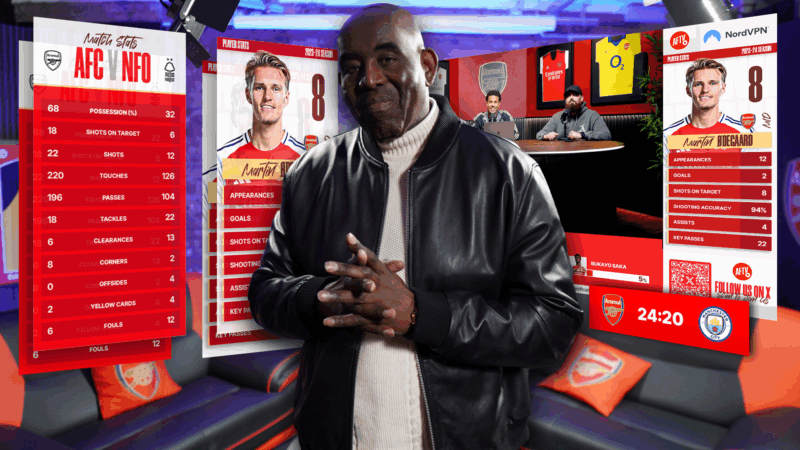
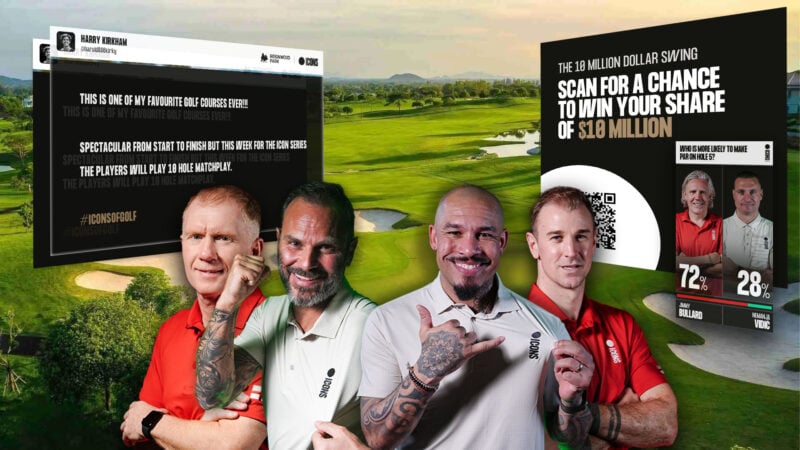
The Academy Awards are moving away from the traditional broadcast model and will be streamed on YouTube from 2029. The next evolution of red carpet coverage might not require a physical presence at all. Creators or publishers can host, interview, and commentate on major moments from their own spaces, reacting in real time as arrivals happen, pulling in their audiences around a shared live experience without a single press pass between them.
The technology already exists and the audiences are already there. Publishers and broadcasters need to start treating this as infrastructure and build a strategy around it before someone else does. The red carpet is just one example of a much broader pattern: live moments that used to be owned by whoever had the broadcast rights are now being co-opted, extended, and in some cases outright replaced by creator-led coverage that audiences find more compelling.
The publishers who move first will treat creators as a distribution layer rather than competition, because they’re a way to reach audiences they can’t access through traditional channels and turn a single live moment into days of content, conversation, and community.
The moment itself is the hook. Everything that surrounds it, the preview, the reaction, the debrief, the creator commentary, is where the audience relationship actually deepens.
Harness the Hype: how to monetise the news moment of the year breaks down exactly how publishers can build a strategy around this, and our companion guide How to sell live moments gives you the framework to put it into practice.
Both are free to download and well worth your time.
Ready to turn your passive audience into an active community? Get in touch