
I’m addicted to my phone. I’m not afraid to say it.
First thing in the morning. Commuting. In the bathroom. During a boring conversation, a boring meeting, any down moment. I know it’s bad for my brain. But a billion dollars of technological innovation has made sure that even with the greatest willpower, a device engineered to hijack your attention will win.
And I’m at peace with that.
What grinds my gears is that as marketers, we’ve outsourced our creative judgement to the addiction and the algorithm. We’re letting machines and AI-learning dictate what content we serve our audiences. We’ve drifted from the qualitative craft of content creation for audience engagement and into a loop of optimise, learn, iterate, repeat.
Don’t feel bad, it’s not on you. It’s happening everywhere.
The copy-paste era of content
Netflix is changing how shows are lit. Adding disjointed action sequences and non-sequitur dialogue to constantly remind audiences of plot narratives and character traits. You might call that smart audience retention, but I’d call it panic. When the world’s most valuable streaming platform starts rewiring its storytelling because it’s terrified of losing your attention for thirty seconds, something has gone badly wrong.
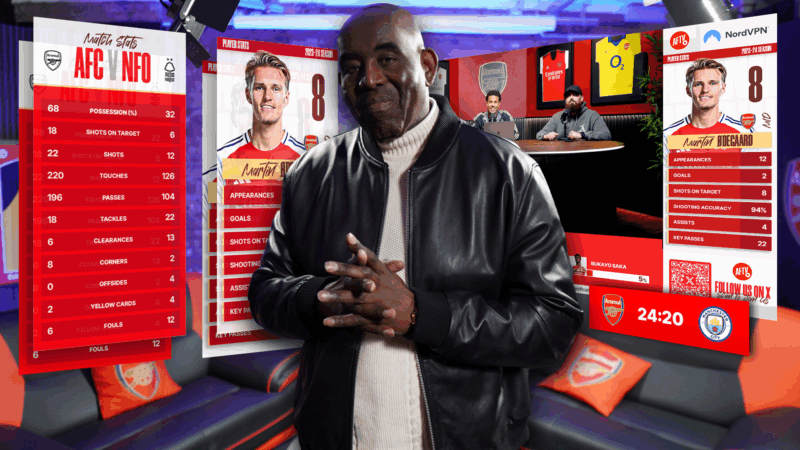
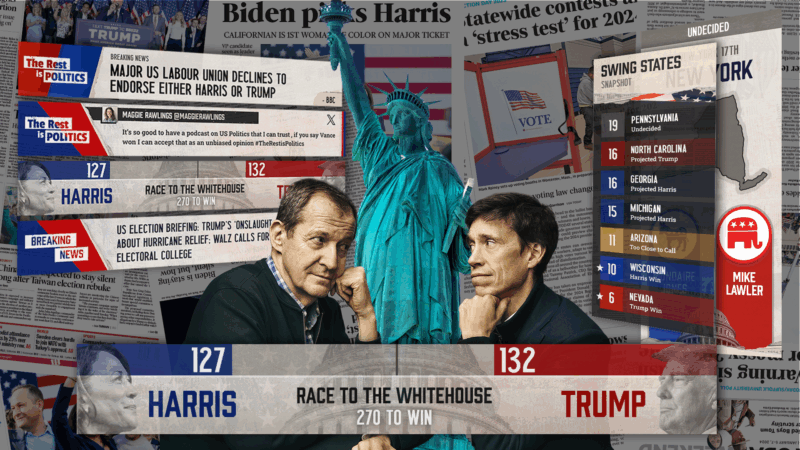
And it’s not just Netflix. Look at the self-appointed marketing gurus who’ll sell you the keys to the algorithm: capture attention in the first three seconds, put an excited talking head front and centre, offer a watered-down guide in exchange for an email address. The formula is everywhere. And because it works in the short-term, everyone copies it.
So now we get thumbnails that look the same. Content that looks the same. LinkedIn posts are structured identically (those AI tells are so easy to spot now). Trending content hitting the same narrative beats, the same production cues, the same hollow excitement.
None of this is a coincidence.

Reaction isn’t the same as interest
Algorithms reward micro-actions. They assign value to subconscious reactions. A scroll-stop counts as interest. So does disgust, frustration, regret, annoyance. The system doesn’t distinguish. It just feeds users more of whatever made them react, and drops them into an advertising segment they never consciously chose. The result is a media ecosystem optimised for reaction, not connection.
The problem is, audiences aren’t passive. They notice when content doesn’t add anything, or when they’re being gamed. And when they notice, they leave or disengage. Or they pay £60 a year for an illegal streaming service with better UX than your £60-a-month official product, because the unofficial version actually respects their time.
That’s a value exchange problem, not a piracy problem.

Valuable content doesn’t need hacks
What’s missing from this entire conversation is genuine connection. Creators and media companies aren’t asking how to add something meaningful to their audiences’ lives. They’re joining the queue, reinforcing attention deficit content, and rewarding dwell time over world-class storytelling.
The algorithm will keep optimising because that’s what it does. The tips, tricks and hacks will keep circulating because there’s a market for shortcuts. But the need for all of that is a symptom. It’s what happens when content doesn’t have enough genuine value to stand on its own.
Make something that actually means something to your audience and you won’t need to game the first three seconds. You won’t need the excited talking head or the manufactured urgency. The connection does the work.
The question was never “how do we optimise for the algorithm?” It was always about audience engagement, “what does this audience actually want, and are we giving it to them?”
Answer that honestly, and the rest takes care of itself.
Ready to look at audience engagement and turn your passive viewers into an active community? Get in touch