
Key insights:
- Individual creators now command audiences that rival traditional media brands across sport, news, culture, and entertainment
- Publishers hold significant advantages in editorial credibility, first-party data, and commercial infrastructure that most creators can’t replicate
- The winning strategy combines creator-style participation formats with publisher-scale data and distribution
- Real-world examples from TF1 and The Overlap show what successful publisher-creator collaboration looks like
- Publishers who build ownable IP and participation formats will generate more sustainable audience monetisation than those still depending on automated ad revenue.
A colleague sent me a screenshot last week. French news creator Gaspard G, a 28-year-old YouTuber, pulled more live viewers than the broadcaster who paid for the rights. Nobody in the room seemed that surprised. That tells you everything about where we are.
How creators became the dominant force in content distribution
Individual creators are now commanding audiences that rival traditional media brands, and not in niche categories. They’re doing it consistently, across sport, news, culture, and entertainment, without the newsrooms, the infrastructure, or the distribution deals that publishers spent decades building.
What they have instead is something harder to manufacture: direct relationships with their audiences. Creators don’t broadcast at people. They talk to them. They invite conversation, reaction and participation. Their content is opinion-led and reactive in a way that most publisher formats still aren’t. And audiences, particularly younger ones, have made their preference clear. Personality, community, and participation over institutional authority.
The result is that creators are now competing with publishers for attention, engagement, and advertising budgets that used to flow almost exclusively toward traditional media. That’s not a trend worth monitoring. It’s a structural shift worth responding to.
What publishers have that creators can’t replicate
Publishers aren’t losing ground because they lack the raw ingredients. They’re starting to feel the pinch because they’re still packaging those ingredients in formats designed for a different era.
The advantages are real: editorial credibility, reach at scale, owned platforms with first-party data, and commercial infrastructure. Plus, the ability to cover stories with resource and rigour that individual creators rarely can. A creator with two million subscribers can’t fund a six-month investigative piece or deploy a team of journalists to a breaking story. That still matters, even if audiences don’t always reward it the way they used to.
The problem is that having those advantages and using them effectively are two different things. Most publishers are sitting on a data asset that most creators would trade almost anything for, and they’re not using it to drive editorial decisions, creator collaborations, or audience-driven content formats. Instead, they’re using it to serve automated ads.

What a real publisher creator strategy looks like
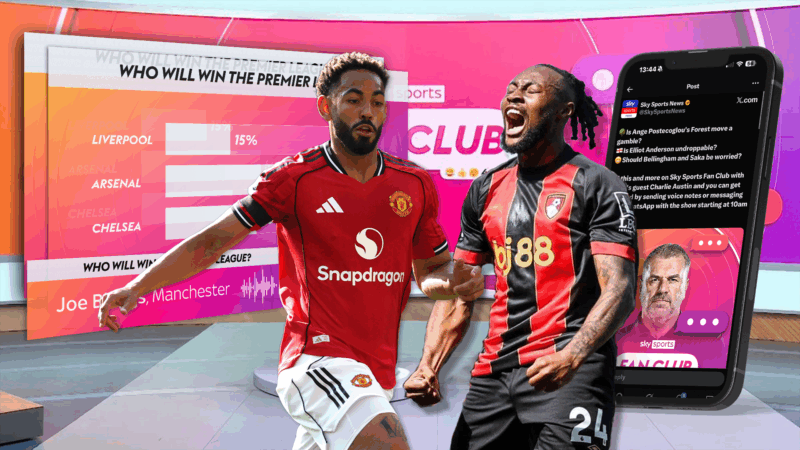
Build fan engagement formats that invite participation, not just reading. The formats winning attention right now – watch-alongs, fan debates, live opinion formats, prediction and reaction content – all give the audience something to do. Publishers have the editorial authority and the audience trust to run these formats credibly. They just need to build them. Our Harness the Hype guide shows how publishers are already doing this around major sports and news moments.
Turn first-party audience data into editorial advantage. Publishers sitting on owned platforms have something most creators don’t: structured first-party data about who their audience is, what they engage with, and how they behave. That data can inform editorial decisions, identify the right creator collaborations, and build content that feels genuinely responsive rather than broadcast-led. It’s a competitive advantage that’s currently sitting largely unused.
Build ownable content IP instead of depending on automated ad revenue. Creators have already figured out that ownable formats beat generic content every time. Publishers have the infrastructure, the data, and the commercial relationships to do the same thing at a scale most creators can’t reach. The formats, communities, and content franchises you build around your editorial identity are what sponsors will pay a premium for. Automated ad revenue fills space. Owned IP builds a business.
How publisher-creator collaboration works in practice: TF1 and Gaspard G
The most useful question for publishers isn’t whether creators are a threat. It’s how to position relative to them. The answer for most is both: compete on the formats and engagement models where publishers have an inherent advantage, and collaborate with creators who can extend reach into communities that institutional media brands don’t naturally inhabit.
The clearest model I’ve seen for how this works in practice has been doing the rounds this week, and if you haven’t come across it yet it’s worth five minutes of your time. At StreamTV Show in Lisbon, Groupe TF1’s Chief Digital Officer and French news creator Gaspard G described what they’d built together.
Gaspard started his YouTube channel at 10 years old. He’s now 28, runs a 21-person team, and reaches 1.5 million subscribers with long-form political journalism. TF1 has 50 years of archives and is the most trusted news brand in France. They didn’t try to copy each other. They combined.
The result is Les Dossiers, a 45-minute interview format where Gaspard confronts politicians with their own past using rare TF1 archives. Old TV clips. Forgotten quotes. Their own words from decades ago. YouTube’s collaboration tool lets them post simultaneously to both channels with shared credit. TF1 sells the ad inventory. Gaspard brings the audience and the format. TF1 brings the footage and the credibility.
TF1’s Chief Digital Officer calls this liquid content: not repurposed TV clips dumped onto YouTube, but content designed from the start to flow across platforms. A 10-minute news segment built this way reached 1.8 million viewers, half of whom were under 34. That’s an audience TF1 wasn’t reaching on linear.
The temptation for legacy media is to mimic creators. Put a journalist in a hoodie, change the lighting, add some jump cuts. It doesn’t work and it weakens the trust audiences have in the brand. What TF1 did instead was find a creator who shares their values. Gaspard describes his approach as slow journalism: not first to the story, most precise. That’s compatible with what TF1 stands for.
What UK publisher-creator partnerships look like in practice
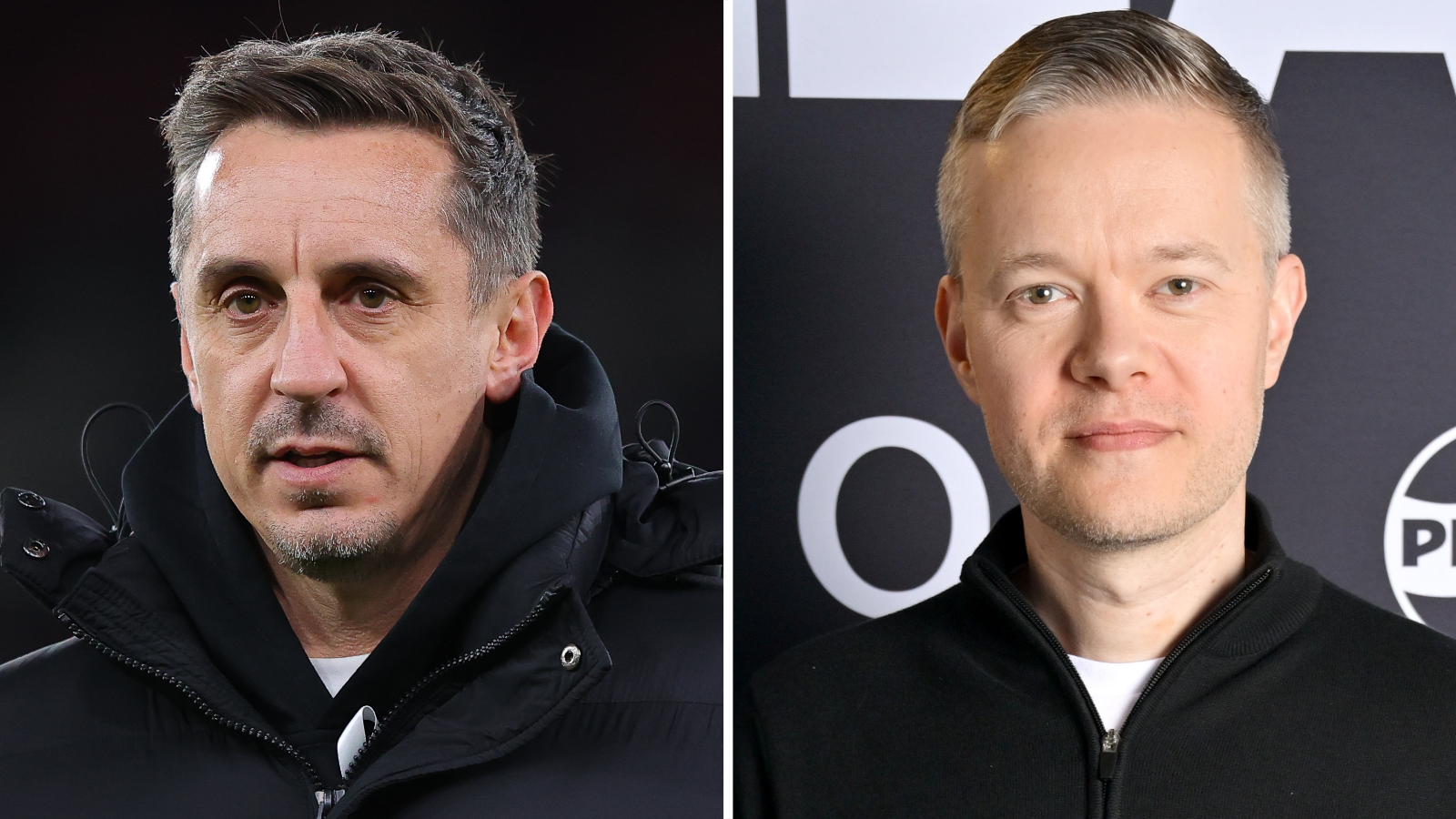
Closer to home, Gary Neville’s The Overlap has just acquired Mark Goldbridge’s YouTube channels – The United Stand and That’s Football. A broadcaster with institutional credibility buying a creator with a deeply loyal community. The distribution multiplies and the trust compounds. Both sides win.
A creator brings audience trust and community intimacy. A publisher brings editorial credibility, data infrastructure and commercial scale. Those things are complementary when the partnership is structured properly.
Publishers who haven’t figured this out yet are running out of time to do so.
If you’re thinking about how to build the formats and infrastructure that make this possible, our Harness the Hype guide is a practical starting point.

FAQs
The creator economy refers to the ecosystem of individual content creators who build direct audience relationships and generate revenue independently. For publishers, it represents both a competitive threat and a collaboration opportunity, as creators are capturing attention and advertising budgets that previously flowed toward traditional media.
Publishers can compete by building participation-based content formats such as watch-alongs, live debates, and prediction formats that give audiences something to do rather than just something to consume. These formats leverage the editorial credibility and first-party data that publishers hold but creators typically lack.
A publisher creator collaboration strategy involves identifying creators whose audiences and values align with the publisher’s editorial identity, then building content formats that combine the creator’s community trust with the publisher’s distribution scale, archive access, and commercial infrastructure.
Publishers operating owned platforms collect structured data about audience behaviour, preferences, and engagement patterns. This data can inform editorial decisions, improve content targeting, and create sponsorship inventory that is provably more valuable than the anonymous impressions that automated advertising generates.
Liquid content, a term used by TF1’s Chief Digital Officer, refers to content designed from the start to flow across multiple platforms simultaneously, rather than being repurposed from one format to another. In the TF1 and Gaspard G partnership, this meant content posted simultaneously to both the broadcaster’s channel and the creator’s YouTube channel, reaching different audiences with the same material.
The formats and infrastructure to make this work already exist. If you want to talk through what a creator strategy looks like for your organisation, we’d love to have that conversation. Let’s talk
Ellie Walter is Senior Growth Partner at Dizplai, bringing broadcast production expertise from Sky Sports, ITN, and StreamAMG to commercial strategy. Her focus is on how live content creates authentic engagement in an AI-saturated landscape, and the digital publishing challenges facing broadcasters losing ground to streamers.