

Fan Engagement > Podcasts > The Supreme Court Rules on AI, KSI’s 6th Tier Takeover & The Secrets of Live Shopping UNLOCKED!
Summary
- The Supreme Court Rules on AI: Why the “no human, no rights” verdict is a ticking time bomb for every sports organization using generative tools.
- Jesser Rewrites the NBA Playbook: How the Chicago Bulls moved past half-baked “creator slaps” to let Jesser lead a total gameday takeover.
- KSI’s Boardroom Debut: Why KSI is swapping the “CPM hamster wheel” for a boardroom seat at Dagenham & Redbridge to build a content legacy.
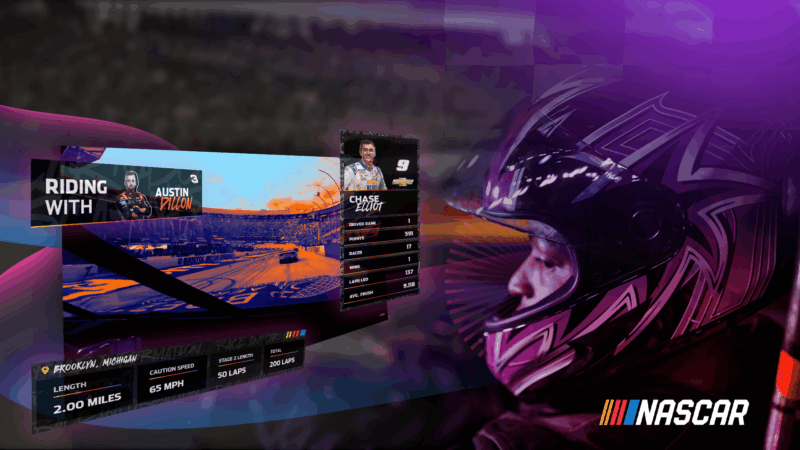
- NASCAR’s $4M Subscriber Gamble: Is putting an amateur YouTuber in a 200mph stock car a stroke of genius or a dangerous liability?
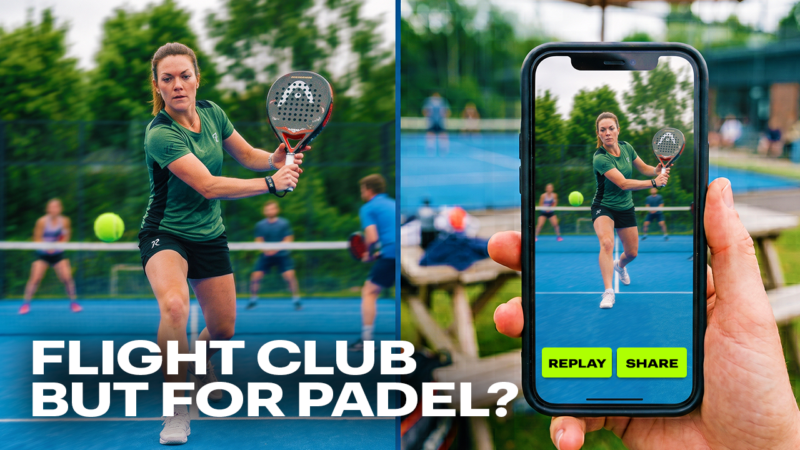
- Secrets of Live Shopping Unlocked: The data is in—storytelling beats discounts, and your countdown timers are triggering massive buyer regret.
- The “Cringe Zone” Graduate: Our first listener question: Is Gen Z outgrowing creators and moving toward purely algorithm-led feeds?
Show Notes
- The Supreme Court Rules on AI.
- KSI’s 6th Tier Takeover.
- The Impulse Lab: Report & Guide
- The NBA x Jesser’s Kid Nation Chicago Bulls Takeover.
- NASCAR’s Creator Driver, Cleatus McFarland
Transcription
Jo (00:02.36)
Hello and welcome to another episode of the Attention Shift. In the week that KSI swapped his FIFA career mode for an actual football boardroom and decided that the sixth tier of English football was his starting point for a Premier League takeover, we’ve also got the NBA who led a YouTube designer game bringing a ton of kids music to my ears and owned the social layer and it actually felt intentional rather than a stunt for once.
Talking of stunts, well, NASCAR, they’ve given a two-year deal to a man who crashed out and finished last the last time he raced because apparently his four million subscribers outweighs his driving expertise. The Supreme Court also told the world that if your AI made it, nobody owns it. And that gives the creative industry and sports an identity crisis and a new piece of display research revealed that scarcity…
Countdown timers and panic buying are the least effective tools in live commerce. And Ed is going to talk us through that one. But without further delay, you know the drill. We’ve got five stories, five minutes each. Ready, Ed? Amazing. Okay, tell us about your new research. You’re kicking off.
Ed (01:04.376)
Let’s go.
Ed (01:09.029)
Alright then, so the marketing team at Display have created Impulse Lab. So they’ve been surveying consumers who’ve previously engaged with live shopping across a variety of different social platforms to find out how live shopping’s been making more of a resurgence. We already know that it’s sort of China and across Asia, it’s massive. And look, it’s becoming more and more of a thing here in Europe as well and across North America, but not quite at those kind of levels. So most brands treat live shopping
Jo (01:30.136)
Mmm.
Jo (01:36.653)
Yeah.
Ed (01:38.862)
like it’s, I guess, traditional e-commerce using interruption marketing to chase customers with discounts. However, according to our research, live commerce is completely different by an environment. We’ve discovered that nearly half of the audience that we surveyed are context responders. And these fans will ignore a discount entirely, but will move fast if you give them a compelling reason to care about the product or service.
Jo (01:52.472)
Hmm?
Ed (02:08.537)
that you are selling.
Jo (02:09.039)
So that kind of flips on its head conventional wisdom, you know, that is, it’s the level of discount that’s really gonna prompt you to buy, right?
Ed (02:17.539)
Yeah, or the countdown clock that will scare you into making a purchase essentially,
Jo (02:22.946)
Get it before it’s gone. Yeah.
Ed (02:26.147)
I mean, and it was interesting as well in the research as well that people were actually, when they’d been presented with those kinds of experiences, they were actually getting deep by a regret after they made that kind of purchase. 74 % of people who bought when there was a compelling story or reason to buy still felt positive about that purchase 48 hours later. That’s me, that, when I’m buying my next pair of trainers.
It’s interesting. I mean, I guess it’s not rocket science to think that that if there’s a compelling story It’s actually linked to that bit of Cell that you’re more likely to feel good about it yet
Jo (03:08.118)
Yeah, well, it plays in to wider trends that we’ve seen in media, right? And I talk about this a lot, as you know, you’ve got younger generations that are the most media literate generation ever. So they know the tactics for manipulation in media, those countdown clocks, the pressure sales, it’s discounted now, press this button, spin this wheel, you got a discount. They know all of those tactics.
and they know how to circumvent the mosque or screen them out. But much like we’ve talked about a million times with how young people engage with content made by creators and they trust creators more than they trust traditional media, it comes down to that genuine story connection. And although it’s not live shopping, as in the piece of work that you’ve just done, but I certainly, I knew of a TikTok shop seller.
busy working mom had kids, she’d make content around how she has to fit in her fitness around a busy day, she’s getting the kids ready for school, she’s making their packed lunches, but she really appreciated good quality, technical kind of sportswear that was reasonably priced, that she’d be happy to go around in all day and fit in her fitness around her busy life. That level of storytelling that she put into that when she came to selling on her TikTok shop.
meant that a woman that she only had like 10,000 followers on TikTok was selling hundreds of thousands of gross merchandise value through TikTok shop because she had a genuine connection with customers who then said, no, I believe you. I believe what you’re telling me. That’s a reason to buy, not a countdown clock, not a spin the wheel and you get 30 % discount. So it kind of plays into that, which I think is really interesting. My question to you, how does this impact sport? How can sports media leverage it?
Ed (04:54.095)
Yeah, yeah, yeah.
Ed (05:04.377)
We talked a little bit about this off air, we? Outside of obviously the obvious when you watch live sport, which is generally broadcast not by the original rights creator themselves, there’s not a great deal of, I guess, live experiences where you could bring this live shopping moments into it. And I’ve even read through this and seen where it talks about that people want to…
Jo (05:17.826)
and
Ed (05:32.739)
have stories told to them and you think like, you you could absolutely create experiences here where you could bring in commerce moments to it. Like when something happens and create unique.
Jo (05:34.958)
Mm.
Ed (05:47.417)
bits of merchandise on the back of that moment. know, there’s ways you can do this with drop shipping nowadays where you could absolutely build in a series of different variants that if that moment happens, whether it’s a goal scored, an amazing point in intent, whatever it is, that that thing is then available with a graphic where whoever’s presenting that experience is talking about it, simple QR code, go purchase now.
Jo (05:53.261)
Yeah, yeah.
Jo (06:03.502)
Mm.
Ed (06:14.132)
Ultimately, these are only going to be available for a period of time simply simply because it’s scarcity because it’s that’s the moment then and you’re not doing it then because you’re being counted down is because an hour later might be another moment, right? But you might really really want that moment
Jo (06:17.144)
Please.
Jo (06:25.494)
Yeah. It’s interesting because we’ve spoken about second screens before, not as a cannibalistic or not as cannibalistic to what’s happening potentially on the big screen, but as being complimentary. And that can be either, yeah, it can either be stats, it can be deep dives, it can be the history of El Clasico that you’re looking to dive into whilst it’s actually playing on the big screen TV in the lounge. Equally, it could be a live shopping experience. You you’re watching a game, you’re watching the Champions League final or…
Ed (06:38.306)
Yeah, additive, yeah, yeah.
Jo (06:54.818)
and you’ve got a live shopping channel that is dropping products live. And that can be really compelling. Cause it, like you said, it’s in the moment. it, I mean, it works that way in gaming as well. We see very often in games, you’ll, you can sell content, you can sell merch from within shops in games. And actually very often they sell out when it’s a new variant of a character, a monster, a dragon that’s dropped in a game. So it’s borrowing from that kind of purchase behaviors. Be interesting to see how it could be used in sport.
Ed (07:21.998)
Absolutely. Yeah.
Jo (07:25.388)
Okay, second story, I’m gonna kick off in this one just because we’ve spoken offline quite a lot about, okay, a sigh this week, moving from what a lot of creators have done in terms of this overt promotion back to what we were saying about people can see when they’re just being paid to shill something or promote something. It’s why trust in influencers is declining. But actually we’re seeing creators now and athletes too.
taking much more of an active role in ownership and governance of teams. We’ve seen athletes taking stakes in fashion brands or sports brands. They’re becoming creative director. So yeah, what’s your take on KSI taking a minority stake in Dagenham and Redbridge?
Ed (08:11.98)
Yeah, look, mean, a friend of mine sent it to me as soon as it happened. I mean, look, I’m sure there’s people in and around KSI who’s like, this has been going on for ages. But for me, came from nowhere because I’ve not really seen it coming. it feels like a natural transition, I guess, for where he’s been going with his storytelling. I mean, the opportunity to be able to come in and bring his, what, his 70.53.
Jo (08:32.942)
Yeah, yeah.
Ed (08:39.714)
million followers across all those social instead of almost I guess a sports property renting attention from a creator he’s going the other way going now actually I’m be part of the story and I’m gonna bring my audience to it and ultimately they’re gonna have they’re gonna see that I’m honest and truthful about this because I’ve invested my time and money into this property so they can come on that journey with me so I think it’s interesting right because look you can look at what’s going on with Wrexham
Jo (09:09.742)
Mm.
Ed (09:09.794)
And I’m sure there’ll be an element of inspiration there for him, but he’s going to do it in his own way, right?
Jo (09:17.452)
Yeah, and you know, interesting thinking about it, aside from the whole Wrexham thing, which, I mean, it was very much a fairy tale and those kinds of things only happen once because the mold is very much broken after that. You can try and replicate it, but rarely does it happen to that scale or level of success the second, third, fourth time. What occurred to me, and this was a bit related to a newsletter that I published last week about Savannah bananas actually, in that,
Ed (09:30.008)
Yeah.
Ed (09:47.022)
I knew you’d get them in eventually.
Jo (09:48.407)
I know, can’t go a podcast without mentioning Savannah Bananas. But you think about creators, creators like KSI and who are part of larger collectives, they’ve spent the best part of a decade, if not more, on this hamster wheel of creating new content and then pumping it out there to keep their channels growing. Slave to the CPM, to the algorithm, on the hamster wheel, then they started creating collectives which kind of, you know, eased a little bit of the pressure they could share.
Ed (10:06.382)
Slaves to the CPM, essentially.
Jo (10:18.018)
that content across their channels. You take that another step further and these creators are looking to invest in these clubs because they’re a content engine too. He’s already said he wants to start creating a strand of content that charts their course from sixth tier football to the Premier League. He’s doing that as a documentary. It gives him something else to talk about on his channel and within his wider creator group.
That as a content engine is probably worth doing in and of itself because it’s not just beholden to him then to be KSI, do what he does and create that content. He’s now got a vehicle through which you can create more content. So I think that’s really interesting. And also it plays in to our first listener question. See my segue there. Sally Hodges, first listener question.
Ed (11:09.998)
Sally, thank you.
Jo (11:16.576)
I’m gonna chuck it at you now actually, because it relates to what we’re saying about that. So Sally emailed us and said, I’m hearing suggestions that the under 25s are tending not to be fans of particular creators anymore, but instead of trusting the feed, relying on the algorithm. Colin and Samir mentioned, it’s kind of lame to be two into one creator. So she was wondering if there’s a particular age group who kind of are ready to cast off those creators that they’ve grown up with and loved.
Ed (11:18.98)
Go on then.
Jo (11:46.435)
Maybe they feel like they’ve grown out. And they want to align themselves more with other interests in that cool culture. So actually, is this playing into that? Maybe is this KSI acknowledging that maybe a lot of his fans are ready to graduate and he’s gonna give them more content that they’re ready to graduate into. What do you reckon? And thank you, Sally.
Ed (12:09.859)
Nice easy question to start with, cheers for that. I think that cringe zone, so the listener’s age bracket theory, I think he’s smart, right? I think that the cringe zone is, oh God, I mean, I’ve got a 15 year old daughter, so I’m already in the cringe zone. On a daily basis, hourly basis.
Jo (12:11.758)
you
Jo (12:26.286)
She’s still in the crematorium.
Ed (12:32.127)
It’s but I think that cringe zone is probably I don’t know maybe 14 to 2022 where I think there’s still an element of yeah that is cringe and I think then as you start to get out of that I think that’s why we send the research to things like pod you know podcasts obviously newsletters they were growing to more and older demographic I think well maybe it’s a bit overstated I think so that algorithm first consumption as trained youngsters announces to follow
Content rather than creators because it’s not like you get the same thing every time right you get similar things But from different people so it’s not necessarily trying to push you the same thing all of that because the reality is you do get bored I think any of us would have the same people but I think I think like you said they like what he’s doing there is He’s given himself an opportunity to create different types of content with unfettered access in theory to a plaything of sorts
Jo (13:03.373)
Mm-hmm.
Jo (13:12.046)
Yeah, and I do think their audiences are waking up too.
Jo (13:23.715)
Mm.
Jo (13:29.294)
Mm.
Ed (13:29.571)
And I’ve always said this about, mean, you know, working football myself, there’s going to be lots and lots of ordinary things that he’s going to be really, really clever at making them feel like they’re extraordinary, just through access in itself. And I think it’s going to teach a lot of people about what you can do in and around a sports property on game day, not on game day. And he’s like, he’s going to have to think about, you know, things like rights and what he’s allowed to do and what he’s not allowed to do, when cameras are allowed to come in, when cameras are not allowed to come in.
But yeah, I think it’s interesting and I think there is that element of it. And I think some of it is, like I said, there is because we’re just ultimately people just trained to consume content in a certain kind of way. And some of it is just through pure interest. don’t want to watch the same things all the time.
Jo (14:14.85)
Yeah, yeah. And people forget that creators don’t stay the same age forever. They also evolve and mature. And so, you know, they’re going to want to do different things too. Okay. We’re running behind Ed. Come on. need to speed it up.
Ed (14:20.279)
No, absolutely.
Ed (14:27.651)
god, we’re gonna be getting in trouble here. We’re gonna be in trouble. We’ve got producer Dan with us today, Will’s had a night off. So this is one that I know you wrote about yourself anyway, didn’t you? And a little bit, yeah. So we’ll put that in the link so people can have a read of that afterwards. So the Chicago Bulls and the NBA are executing what they’re calling a historic creator game takeover. Let’s hope it’s not a one-off, yeah. So far beyond the typical guest ex, guest…
Jo (14:32.824)
Hahaha.
Jo (14:38.582)
A little bit, yeah.
Ed (14:56.707)
I can’t give me words at appearance. Content creator Jesser has done the Jesser, Bull and Bulls Kids Nation game where Creator was integrated into nearly every facet of the gameday experience from hosting a pregame party, basketball cleaning for 50 local kids, participating in on-score shooting contests and I guess just bringing what Jesser does into that whole gameday experience. How did you feel that went?
Jo (15:22.102)
I loved it. I loved it because there’s a lot of leagues and sports teams that consider what they need to do for kids as just a tick box exercise. And very often it comes across as a bit half baked and more often than not, very patronizing to kids. And that is my biggest bug bet. By contrast, their Kid Nation game, because they brought Jesser in, it felt…
for once like they’d actually thought about it. They’d woven what he does and who he is through the whole thing. So it felt like it wasn’t patronizing or talking down to the kids. mean, some of the pictures that I saw, you he’s on the court, he’s signing autographs. I made the point in one of the comments on a LinkedIn post about access. You know, we talk about access. If you are going to get kids to engage with a sport, you need to give them access. That’s either access to media,
on platforms like YouTube rather than locking it away behind a paywall. But if they’re gonna go to a Chicago Bulls kid nation game, they wanna stand next to Jesser and that they facilitated that and kudos to him for letting it happen as well. So I really thought it was smart. Obviously he’s a huge creator. think he’s got across all of his platforms, he’s got 45 million followers globally. Yeah, and most of those are under 25.
Ed (16:43.936)
small then.
Jo (16:47.83)
So even if they’re not kids, they are young people. So it makes him quite an influential basketball creator amongst those young fans globally. So again, the fact that they put him there, they wove his content and who he is all the way through this kid nation game and they gave kids access, I thought was really cool. And again, it just plays into this wider realization, I think now in sports that…
there has to be investment in bringing kids along as fans and it doesn’t have to be tick box and it can’t afford to be patronising because yes, they might be hard to monetise and feel a little bit fickle with their attention when they’re young but if you can engage them and you can show them that you’re showing up and you’re investing in building that relationship with them.
nobody would convince me that the lifetime value of that fan wouldn’t be higher. So it is worth doing at that early stage. And I think obviously Chicago Bulls have cottoned onto that and I just think it was really smart. yeah, moved away from slapping a name on a game to something that felt quite deep and considered.
Ed (17:53.421)
Yeah, it was interesting as well because the Bulls VP of Content Marketing said that the Jessa provides a conduit to the next generation. So from that perspective, could Jessa’s work with the NBA be one of the best sports creator core labs that we’ve seen?
Jo (18:11.342)
It could be, like I said, it just felt so embedded. mean, Jesser also showed up at the NFL opening game that was streamed on YouTube alongside Destroying. That felt a bit more to me like creator slapping on sport, whereas Jesser’s integration into the Kid Nation game for Chicago Bulls didn’t. And it’s an interesting distinction between the two. I think sports is still trying to figure that out, but.
what for me it was genuinely engaging these kids and they had a they had a shock composition and there was you know kids and families were winning ten thousand dollars I mean this was this was good good stuff rather than just chucking a load of creators at it and hoping that it brought audiences to them.
Ed (18:56.438)
We see it like, I guess the obvious thing that you always see at any sporting event is let’s do a kids zone and let’s do a kids zone. Let’s take a few PlayStations in. There’s a mascot. It’s always the same stuff, right? Whereas here, they’ve almost tried to, and they’re really good at theming game days in the US anyway, right? But they’ve almost, like they said, they’ve tried to get Jetta to almost take over that game day. But with kids front and centre, which is, you don’t often get that.
Jo (19:06.062)
Thank
Jo (19:16.214)
Yeah.
Jo (19:21.364)
Mm. Yeah.
Jo (19:26.882)
and that is the way to do it rather than somebody in a boardroom who’s 50 go, right, we need to do something for kids and we’re gonna do this, this and this. And they don’t really have that connection. So I really rated that one. Big tick. Good on you, Chicago Bulls. Let’s see some more of that. Let’s talk NASCAR and Cletus, which is my new official favorite name. Cletus. I love Cletus McFarland.
Ed (19:39.82)
Big tick.
Ed (19:49.728)
I just wanted to hear you say it, go on then, do it again.
Jo (19:56.589)
Yes, so he’s driving a NASCAR. Tell me, because you were really excited about this.
Ed (20:03.874)
Yeah, I’ve been fortunate enough to go and see a NASCAR race, I probably said this on probably one of the previous episodes, one of the greatest sporting experiences of my life, if you can call it a sport in that sense. yeah, amazing. And I’ve seen a few videos of Cletus McFarland, real name Garrett Mitchell, who he’s bought, he’s bought a like a derelict race circuit in Florida that he’s then transformed and him and all his mates just…
Jo (20:21.774)
You
Ed (20:32.832)
rag cars around burning, know, burning tires and stuff like that. He’s got an unbelievable following online who watch all this kind of content. And essentially one of the NASCAR teams have signed him up for a race. And obviously we talked about the EVO sessions a couple of weeks ago, I think it was last week actually, and which we, you know, we said, well, it was really interesting that you put in a creator in those cars and all the challenges that brings like.
Jo (20:34.924)
Uh-huh.
Jo (20:38.87)
Yeah.
Jo (20:51.864)
We did.
Ed (21:00.854)
You go and watch Cletus driving a NASCAR car, those cars are literally separated by an inch or two between them. Look, they’re stock cars, right? They’re all built to crash. It’s not like the Formula E cars. This is exciting and scary equal messaging. You just know that people are watching this to if he crashes, without a doubt.
Jo (21:05.378)
This genuine stakes.
Jo (21:23.138)
Well, I mean, that is what works best on YouTube, right? We might have mentioned before, that kind of dopamine hit that you need to keep hitting to make content sticky on YouTube. You don’t get a bigger…
Ed (21:34.818)
There just seems to be like, you know, one up ship going on here. Like everyone’s just trying to like, how can I make it crazier than the last one? Like you put this together with.
Jo (21:41.792)
You don’t get a bigger dopamine hit than thinking somebody’s going to crash.
Ed (21:46.306)
I mean you put this together with like, obviously like we were just talking about those Chicago Bulls and you go, yeah I’ll give you your kids, kids entertainment and I’m gonna stick this weirdo now in a car and see if he smashes it up.
Jo (21:57.463)
They’re not gonna stick kids in a NASCAR just yet, but I think… But, right, okay.
Ed (22:01.506)
You could put Jesser in a car against him and see what happens there.
No, but look, think, think, look, he has a huge following already. He’s, you know, he’s from the south of the US, which is where the heartlands of NASCAR are. So he very much ties into that whole NASCAR experience. And it is very, very sort of south orientated because that’s just where it’s come from in general. Even though NASCAR have been doing a lot of building over the last couple of years and now they have a race in Chicago and other places too. It is still…
Jo (22:33.088)
Yeah, it has, it’s worth pointing out that he’s going into kind of the second tier, second division of NASCAR. That doesn’t make it any less dangerous to, but just coming back to that stakes point, I think that is one of the reasons that I think this is really interesting and perhaps a genius move, I should say, because one of the things that we said a couple of episodes ago was that, no, actually it was something that I wrote about in terms of
If there’s no stakes, when one of the Christmas day games on Netflix didn’t perform well, because there was no stakes, the teams weren’t really fighting for anything. So you can put these things out on YouTube or you can eventize them in the way that Netflix does so well. But at the end of the day, there’s gotta be some stakes. And this is interesting because there’s inherent stakes in sticking a YouTube creator in a NASCAR and sending them around a track. Now.
I get the debate, some of the corners of NASCAR are saying actually, is this really sensible? You’re pushing an amateur up this ladder too quickly just because he’s got a big social media following. I don’t know. I mean, clearly he’s bought a track and he’s been building and racing cars. So it’s not as if he’s just some Joe off the street, but it does call into question how much sports should be leaning into
creators in creator led sports. We’ve spoken about it the last three stories we literally spoke about creators in sport in some shape or form. We’ve spoken about it on previous episodes. Is it going too far? Is it cheapening sports think?
Ed (24:09.237)
And…
As you said that then I thinking, no, yes. And my mind was sort of split. I think, like, look, they’ve committed to him. This is a two year deal. He’s not going into the top level in Asgard, going into the second tier. But look, I’m not sure if I could even make it into the fifth tier anyway. He can definitely drive from what I’ve seen of him. Like, he knows his way around the car. He’s not just a novice that used to be a jockey and just suddenly decided to go and race a car. I think…
Jo (24:14.414)
Put on that fence.
Jo (24:36.172)
Yeah.
Ed (24:42.347)
There’s that element though of, and I think it’s the jeopardy that makes everyone excited, but there’s danger with this one. Like I said, this is, it’s a serious sport NASCAR and things can happen and cars can turn over and yeah, look, they’ve got roll cages in there and stuff like that, but the drivers that are in that there, are fine tuned driving machines who’ve been doing this a number of years who,
Jo (25:00.589)
Yeah.
Ed (25:10.977)
spent hours and hours and hours doing simulators in the same kind of way that they’re doing Formula One and places like that, right? They don’t just turn up. I can’t believe that he’s just gonna turn up. I do like it. I don’t have a problem with it necessarily. I think, like I said, they’re not just parishing him at the top. He’s coming into the second tier. And again, I can’t believe that they wouldn’t have just… I can’t believe they wouldn’t have tested him out a bit before they put him in, because otherwise it’s scary.
Jo (25:15.939)
Yeah.
Jo (25:39.534)
I reckon there’s there’s safeguards that we’ve been putting in place. I’m looking forward to it. I think it’s smart. I think it’s really smart
Ed (25:45.186)
Me too, but you’re right though. mean, these parallels, right? And ultimately like, you you’ve got Jake Paul in boxing as well. I mean, some would argue he’s not boxing in boxing, but anyway, that’s a different story. Right then, last one. So we had a bit of a tete-a-tete last week about AI where we didn’t necessarily agree on it, which is nice because some say we always agree. So story coming out of the US around AI copyright. And I know people are thinking, really God, this sounds boring already. I went, but no, stick with it.
Jo (25:50.798)
Exactly, exactly.
Well.
Ed (26:15.041)
So a Supreme Court says that if there is no human in the content and it’s been generated by AI, then actually you can’t copyright it. Which is interesting, because lots and lots of people now are making content with AI and effectively this Court has said that you cannot copyright it if it’s just done with AI.
Jo (26:40.482)
I mean, so no human in the creation. Again, I would…
Ed (26:46.025)
Well, featuring in the content, I think it is, rather than the creation itself.
Jo (26:48.844)
Is it? okay. Cause I thought it was if AI had created it, you don’t get to claim IP rights, but.
Ed (26:57.237)
Yeah, but guess a human’s prompting it, So, so a human, yeah, I know, I know.
Jo (27:00.024)
Well, this is the thing. how do you define, yeah, a in the chain of its creation? Well, I mean, it’s almost implicit that there needs to have been a struggle.
Ed (27:10.337)
I think this will get challenged because ultimately where does everything come from? AI has ultimately been created by human right. Everything that trains AI has been done by humans. So this is going to get challenged without a doubt.
Jo (27:20.236)
Yeah, just created from human, yes.
So So it’s not sport related, but bear with me, because I’m sure a lot of listeners will have seen or heard their kids talking about Italian brain rot in the last six, 10 months. There was a trend of AI generated crazy characters that popped up all over social. There was Tralala, Tralala. There was Cappuccino Ballerina. There were these just bonkers. These bonkers mashups of characters. The interesting thing.
Ed (27:46.305)
How have I missed all of them?
Jo (27:53.025)
was because they were AI created, then people all over social were taking them, they were spinning them out into stories. You’d got a baseball bat called Tung Tung Tung Sahur that married Cappuccino Ballerina and they were creating these stories about what their kids would do because nobody owned the copyright. They were all AI generated characters under this broader genre of this Italian brain rot because they all had Italian sounding names. What’s interesting is
One creator, I think out of Eastern Europe, who claimed to have created the character, which was I think the baseball bat, Tung Tung Tung Sahur, claimed copyright over that character. And everybody was saying, how on earth can you claim it? And also now, you’re trying to claim it after the horse has bolted and people have taken this character and they’ve done different things with it and they’ve evolved it. It’s a complete mess. When I look at how…
particularly generative AI, and it perhaps applies less in sport. Most of what I hear about AI when it comes to sport is how it’s gonna be used in terms of data and when it comes to gambling and betting. I can see its use cases there in a generative sense. do, particularly in sport, which is a media business.
Ed (29:00.309)
Yeah.
Jo (29:10.708)
obsessed with rights. I don’t quite know how this is going to work. I think you’re right. I think there’ll be challenge after challenge after challenge will perhaps flip-flop between whether you can own copyright in something that you’ve generated as a human prompting an AI. I don’t know. I don’t know the answer.
Ed (29:27.395)
there’ll be lawyers like now going like, wait a minute, I’m gonna go and challenge this. think, we’ll, again, as ever with these stories that have inspired us to talk about these things, we’ll have the links on the podcast page as well so you can go and have a read yourself and get familiar with it, because there’s a lot more to this than ultimately that we’re talking about right now. But it is interesting when people are thinking about, are they gonna use AI to create content for them from scratch? In the US, careful.
because actually you might not be able to claim copyright on it. But again, I just think it’s going to run and run and run. And I don’t know what the answer is, quite frankly.
Jo (30:06.254)
how you’ve got famous movie stars that are licensing their likeness into AI for models now. I mean, you’ve got deceased talent that are being ingested into generative models so they could perhaps create new music, new films, even after they’ve died. James Earl Jones, the iconic actor whose voice Darth Vader. I think he’s licensed his voice.
Ed (30:11.424)
Yes.
Jo (30:35.404)
to be recreated.
Ed (30:36.641)
think you’re right.
Jo (30:37.036)
Again, you come back to sports and sports people and how obsessed we are with rights in sports media and how name image likeness rights are hotly contested. It feels like potentially you’re going to have some athletes maybe licensing their name and likeness into models so that they can be used to generate content, animation, ads, promotions, sponsorship. Geez, I mean, you know, it’s endless. So it does beg the question how it will show up, particularly in that generative side of AI, separate and distinct from that kind of data.
and betting side that we spoke about. But I think we’ll see a lot of challenge, but we’ll see potentially how it shows up in sport pretty quickly because sports is so obsessed with rights and then how you monetize those rights.
Ed (31:21.929)
Yeah, and if you think about, yeah, exactly. And all of the sort of archive, which doesn’t always get used massively. You could see how people are going to think about how do we use that in a, and I guess in a AI kind of way to be able to do different stuff with it. Yeah.
Jo (31:27.97)
Mm-hmm.
Jo (31:34.304)
Yeah, as even as training data, you know, you could train, train a large language model on the volume of archive that leagues are sitting on. So again, there’ll be use cases that we haven’t even heard of or thought of yet that will no doubt come up. Bang on time.
Ed (31:50.636)
Cool, right then Joe, think that’s a wrap. So we’re back on time. Like we’re being kept on time by Danny’s. Like, come on, Rappel.
Jo (31:59.534)
I’m off to play NASCAR in my Mazda around Stockport.
Ed (32:03.553)
What is that to prepare yourself in case you get a call up?
Jo (32:06.317)
Yeah.
Ed (32:09.067)
So everyone, thank you for joining us on this week’s episode of the Attention Shift. I’ve been Ed Abbott and this has been… There we go, well done.
Jo (32:14.338)
Joe Redfern, and we’re gonna thank Sally for being our first listener question. Don’t let it be the last, send us your question.
Ed (32:19.243)
Thank you. Sally send as many questions as you want in. You’ve all for the start, started a trend now. But yeah, thank you so much Sally Hodges. We’ve been connecting on LinkedIn, the both of us last couple of weeks and she’s been sending some really interesting stuff to us. It was great to get a question. So thank you for that. So don’t forget to like, subscribe. And if you want to feature as a guest like Sally, you can email us too. Hello, attention shift.media. That’s us. Goodbye.
Jo (32:44.601)
Ciao

- Tags: Brands & Agencies, Creators, Media Networks, Sports