
Key insights
- Brands can get cheaper CPMs running performance campaigns on Meta or Google. Logo placements on a football pitch no longer justify premium rates on awareness alone.
- Sports sponsorship activation is shifting from selling media inventory to selling participatory infrastructure: the ability for a brand to activate something fans can actually engage with during a live event.
- 76% of sports fans remain anonymous to the organisations they support, which means rights holders are selling participatory experiences they can’t fully deliver because they don’t know who they’re converting.
- Performance marketers are now at the table alongside brand teams. They want first-party data, attribution models, and proof that participation drove behaviour.
- The rights holders winning the best sponsorship deals aren’t those with the biggest audiences. They’re the ones who’ve built the infrastructure that gives brands something to do with that audience.
I’ve noticed something shift over the past 18 months. Brands aren’t buying logo placements and calling it a job done anymore. They’re asking a different question: “What can our audience actually do with this partnership?”
That’s not a subtle change. That’s the entire sponsorship model being rewritten.
The CPM trap nobody wants to admit
For years, sports sponsorship activation ran on a simple premise: stick a logo somewhere visible, count the impressions, convert to CPMs, and invoice accordingly. Perimeter boards, shirt sponsors, broadcast graphics, all valued the same way. Viewers in, money out.
The problem is, impressions don’t convert like they used to. Sponsors can get cheaper CPMs running performance campaigns on Meta or Google. So why pay premium rates for a logo on a football pitch when the ROI calculation doesn’t stack up against digital channels?
Rights holders kept selling the same way because it was easy to measure and the budgets were already there. But sponsors started asking harder questions. And “brand awareness” stopped being a good enough answer.

What participation actually looks like in sports sponsorship
Sports sponsorship activation now means giving fans something to do, not just something to see.
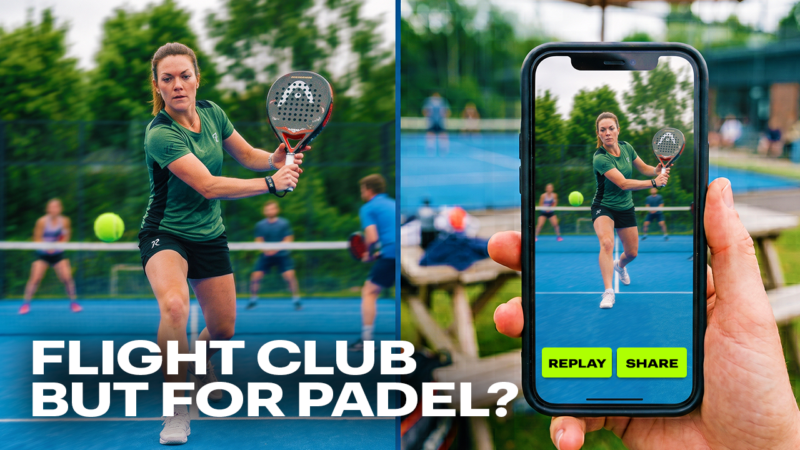
Look at what some brands are figuring out. Instead of static logos, they’re building interactive moments during live events. Halftime challenges where fans vote in real-time. Instant rewards triggered by game events; a goal scored, a specific player subbed on, whatever creates the impulse moment. Exclusive access to behind-the-scenes content if you engage during the match.
The commercial logic is completely different. A fan who participates (votes, redeems, competes etc) isn’t just aware of your brand. They’ve taken action. They’ve connected their behaviour to your product. That’s not a CPM calculation, that’s a conversion funnel.
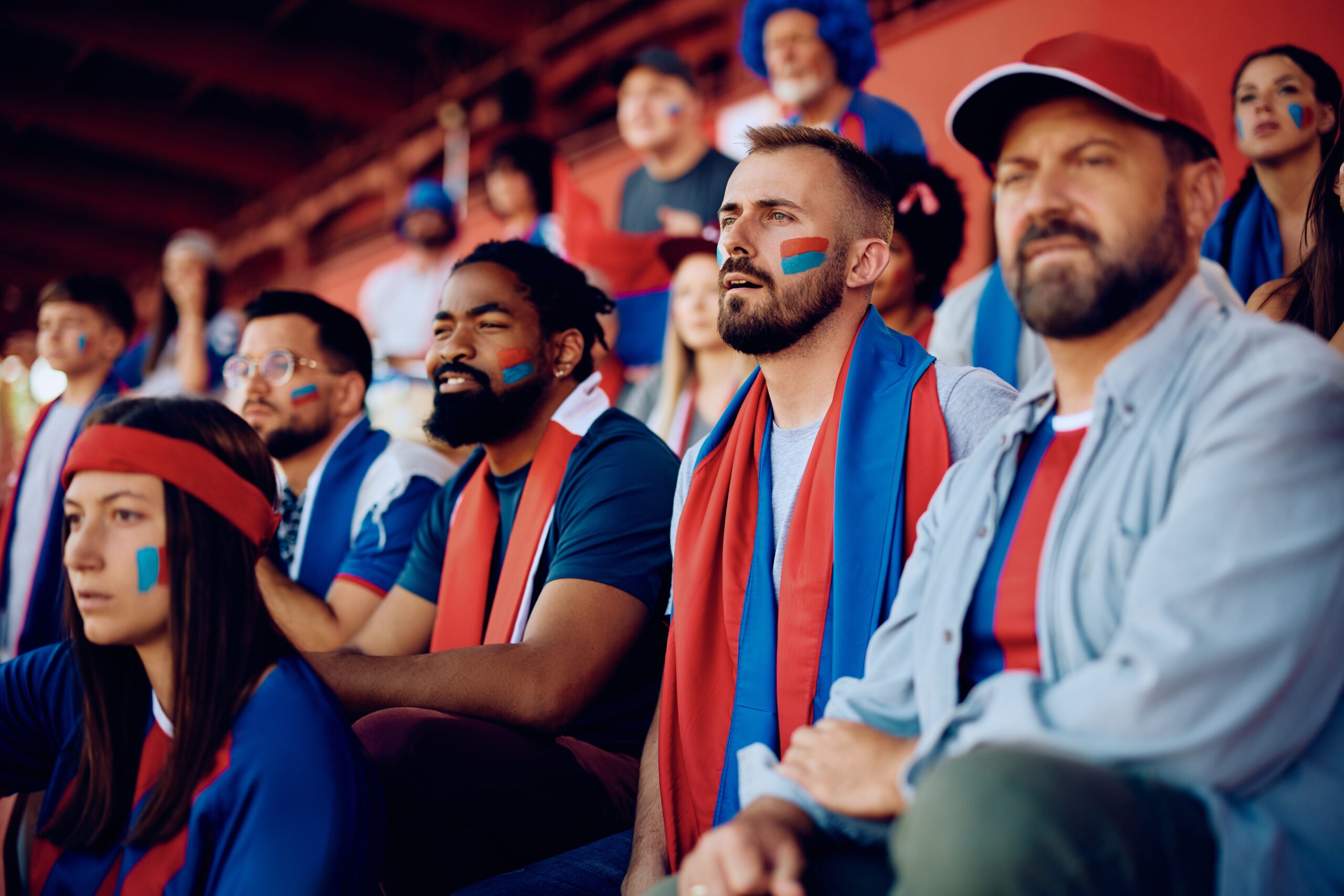
But most rights holders won’t admit that they can’t build a conversion funnel if they don’t know who they’re converting. And, as we’ve recently discovered in our Anonymous Fan Index, 76% of sports fans remain anonymous to the organisations they support.
Think about what that means for a sponsor. They’re paying for participatory infrastructure, expecting first-party data and conversion metrics, but the rights holder can’t offer them names, contact details, or ability to retarget. Just anonymous engagement that disappears the moment the match ends.
Awareness isn’t enough anymore, we’ve established that. But you can’t move beyond awareness if you’re selling access to an audience you don’t actually know. That’s the gap brands are starting to call out. And if rights holders can’t provide that data, sponsors will start building their own audience relationships directly, cutting the middleman out entirely.
What this means commercially for rights holders
Firstly, this shift changes what you’re selling. You’re not pushing media inventory anymore. You’re selling participatory infrastructure. The ability for a brand to activate something during your event that fans can actually engage with. A different product, priced differently, delivered differently.
Secondly, it changes who you’re selling to. Performance marketers are now at the table alongside brand teams. They want to see conversion data, engagement metrics, return on ad spend. They’re asking for first-party data capture, attribution models, proof that participation drove behaviour.
That might feel uncomfortable for rights holders used to brand budgets and awareness metrics, but it’s where the money’s moving. Brands that can’t justify sponsorship spend against performance channels are cutting budgets or walking away entirely.
The real opportunity is that participation creates commercial value traditional sports sponsorship activation never could. A fan database. Behavioural data. Proof that your event drives action, not just attention. That’s worth more than CPMs ever were, but only if you can actually deliver it.
Where sports sponsorship is heading
The rights holders winning sponsorship deals now aren’t the ones with the biggest audiences. They’re the ones who’ve built the infrastructure for brands to do something with that audience.
Sponsors don’t want to rent your attention anymore. They want to participate in the moment, and if you can’t offer that infrastructure, they’ll find a rights holder who can.
FAQs
Sports sponsorship activation refers to the practical delivery of a sponsorship deal: how a brand shows up during events, engages fans, and converts the attention generated by a live audience into measurable commercial outcomes. Historically this meant logo placement and broadcast exposure. Increasingly it means interactive experiences, real-time fan participation, and first-party data capture that gives both the rights holder and the sponsor something tangible to measure.
Because CPMs are available more cheaply through performance channels like Meta and Google. Brands paying premium rates for sports sponsorship need to justify that spend against direct digital alternatives, and “brand awareness” is no longer a sufficient answer on its own. The shift is toward participation metrics: fan engagement rates, data capture volumes, conversion attribution, and proof that the sponsorship drove genuine behaviour rather than passive exposure.
Participatory sponsorship gives fans something to do rather than something to see. Brands build interactive moments into live events: real-time voting, instant rewards triggered by game events, exclusive access unlocked by fan participation, and co-created experiences that connect a fan’s behaviour directly to the brand. The commercial logic is a conversion funnel rather than an impression count, and it requires rights holders to have the infrastructure to deliver and measure those interactions.
Sponsors increasingly expect rights holders to provide first-party fan data as part of their sponsorship package: names, contact details, behavioural data, and the ability to retarget fans who engaged with their activation. Without this, rights holders are selling participatory experiences they can’t fully deliver, because 76% of sports fans remain anonymous to the organisations they support. First-party data is what turns fan engagement from an experience into a commercial asset.
The starting point is solving the anonymous fan problem. Rights holders that know who their fans are can offer sponsors genuine conversion funnels, personalised activations, and measurable outcomes. Interactive fan engagement tools, owned community platforms, and live event data capture all build the audience intelligence that makes participatory sponsorship commercially viable. The Fan Revenue Calculator at dizplai.com/fan-revenue-calculator can help you calculate what anonymous fans are currently costing your organisation.
Check out our ultimate guide to turning your fans from anonymous to known for 100 tactics to convert your audience from anonymous to known.